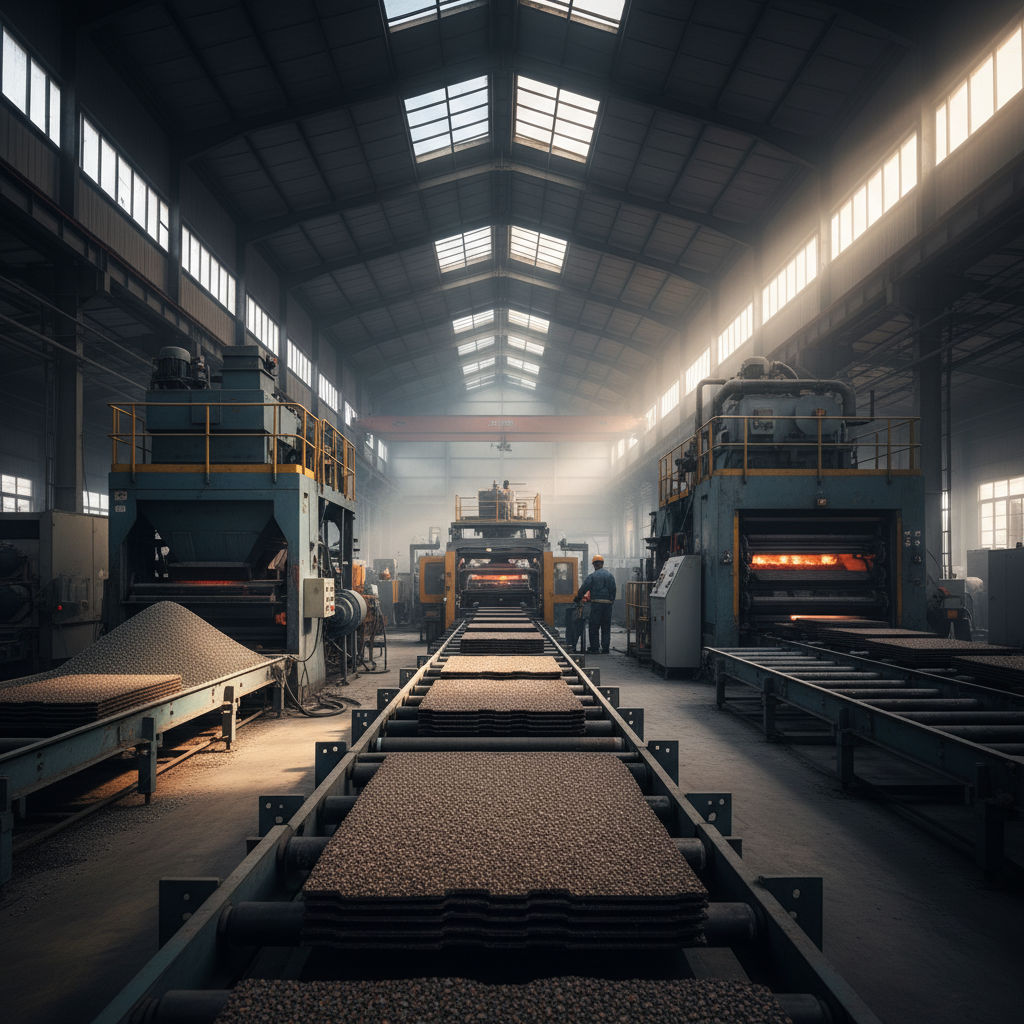
When homeowners and architects evaluate long-term roofing investments, a common question arises: how long do slate shingles last compared to modern alternatives? Traditionally, slate has been the gold standard for longevity, often persisting for over a century if properly maintained. Understanding this lifespan is crucial for determining the total cost of ownership and the frequency of roof replacements over several generations.
In the global construction market, the demand for high-endurance materials has shifted toward solutions that combine the aesthetic of stone with the performance of advanced engineering. While natural slate is renowned for its permanence, the industry is increasingly looking at stone coated metal roof tiles and high-grade asphalt shingles to provide similar visual appeal with improved installation efficiency. This evolution addresses the need for sustainable, lightweight, and fireproof materials that can withstand diverse climatic challenges.
Whether you are restoring a historic estate or designing a modern sustainable home, knowing how long do slate shingles last allows you to weigh the benefits of natural stone against the cost-effectiveness and versatility of stone coated metal tiles, which offer exceptional waterproof and fireproof properties without the extreme weight of traditional slate.
Understanding the Lifespan of Traditional Slate
Natural slate is a metamorphic rock known for its incredible density and resistance to decay. When discussing how long do slate shingles last, the answer is typically measured in centuries rather than decades. Because slate is essentially stone, it does not rot, warp, or succumb to insect infestations, making it one of the most permanent roofing options available in the architectural world.
However, the longevity of the stone itself often exceeds the longevity of the flashing and fasteners used to hold the shingles in place. While the slate tiles might remain intact for 100 years, the copper or galvanized steel nails may corrode, leading to slipped shingles. This distinction is vital for property owners who wish to maintain the structural integrity of their roof over a long horizon.
Factors Influencing Roof Durability
Environmental exposure is the primary driver of wear and tear for any roofing system. High-acidity rain, extreme temperature fluctuations, and coastal salt spray can accelerate the degradation of inferior materials. For those wondering how long do slate shingles last, it is important to note that high-quality slate is naturally acid and alkali resistant, allowing it to withstand harsh industrial pollutants that would strip the granules off standard asphalt shingles.
Installation quality plays an equally critical role in overall lifespan. A poorly installed roof, regardless of the material used, will suffer from premature leaks and wind damage. For instance, stone coated metal roof tiles offer a significant advantage here because they are designed for easy installation and provide a secure, interlocking system that reduces the risk of human error during construction.
Weight and structural load are often overlooked factors in durability. Traditional slate is incredibly heavy, which can put immense pressure on the roof's load-bearing structure over time, potentially leading to sagging or structural failure. In contrast, modern asphalt shingles and stone coated metal tiles are lightweight, reducing pressure and increasing the overall stability of the building's frame.
Comparing Slate and Stone Coated Metal Tiles
When homeowners ask how long do slate shingles last, they are often seeking a balance between prestige and practicality. Natural slate offers unmatched longevity but comes with high costs and heavy structural requirements. Stone coated metal roof tiles provide a compelling alternative, blending the aesthetic of natural stone with the durability of steel, ensuring a waterproof and fireproof barrier.
The primary advantage of stone coated metal tiles over traditional slate is the combination of acid/alkali resistance and lightweight construction. While slate is durable, the ease of installation and cost-effectiveness of stone coated metal make it a more viable option for a wider range of sloping roofs, without sacrificing the timeless look that leads people to research how long do slate shingles last.
Furthermore, asphalt shingles offer an even more flexible option for complex geometric roof shapes. While they may not match the century-long lifespan of stone, their ability to be freely cut and their soft texture make them ideal for diverse architectural styles. The choice ultimately depends on whether the priority is absolute permanence or a combination of efficiency, cost, and weather resistance.
Performance Metrics of Modern Roofing Materials
Evaluating the performance of roofing materials requires looking beyond just the timeline of how long do slate shingles last. We must consider factors such as fireproofing, wind resistance, and the ability to reflect heat. High Reflective Ceramic Granules (HIREFLE) are a prime example of innovation, designed specifically for cool roofs to reduce energy consumption by reflecting solar radiation.
Comparing these metrics allows architects to select materials based on the specific needs of the climate. For example, in fire-prone regions, the fireproof nature of stone coated metal and high-quality asphalt shingles provides a safety margin that traditional wood or low-grade materials cannot offer.
Durability and Performance Comparison
Global Applications and Regional Suitability
Across different global regions, the choice of roofing material is dictated by local weather patterns and architectural traditions. In Northern Europe, where rain and humidity are constant, the waterproof nature of slate and stone coated metal is highly prized. Property owners in these areas often prioritize the question of how long do slate shingles last to ensure their homes remain dry for generations.
In contrast, in hotter climates such as the Middle East or Southern US, the focus shifts toward heat reflection and UV resistance. This is where High Reflective Ceramic Granules for Cool Roofs become essential, as they prevent the building from absorbing excessive heat, thereby reducing air conditioning costs and improving the internal living environment.
Long-term Value and Economic Impact
When analyzing the economic impact of roofing, the initial installation cost is only one part of the equation. While natural slate is expensive, its longevity means it rarely needs replacing, which can increase the resale value of a property. However, for the average homeowner, the cost-effectiveness of stone coated metal roof tiles provides a more balanced return on investment, offering high durability without the prohibitive upfront price of slate.
Furthermore, the reduction in maintenance costs is a significant advantage. Materials that are anti-aging and resistant to acid/alkali decay require far less chemical treatment and repair. This sustainability not only saves money but also reduces the environmental footprint associated with frequent roof replacements and landfill waste.
Reliability creates peace of mind. Knowing that a roof is windproof and fireproof protects the most valuable asset of a family—their home. The transition from traditional stone to engineered materials like stone coated metal allows more people to access high-performance protection that mimics the legendary lifespan of slate.
Future Innovations in Roof Longevity
The future of roofing lies in the convergence of material science and digital technology. We are seeing the rise of "smart roofs" that can monitor their own structural health. As we continue to investigate how long do slate shingles last, the goal is to create synthetic materials that match the 100-year lifespan of stone while being completely recyclable and carbon-neutral.
Automation in installation is also reducing the likelihood of leaks caused by human error. Precision cutting and robotic placement of asphalt shingles and metal tiles ensure a tighter seal and better alignment, which directly extends the operational life of the roof.
Sustainability policies are also driving the adoption of cool roof technologies. By integrating High Reflective Ceramic Granules into standard roofing products, the industry is moving toward a future where roofs not only protect the building but actively contribute to reducing the urban heat island effect.
Comparative Analysis of Roofing Material Lifespan and Properties
| Material Type |
Estimated Lifespan |
Installation Ease |
Weight Impact |
| Natural Slate |
75-150 Years |
Difficult |
Very High |
| Stone Coated Metal |
50+ Years |
Easy |
Low |
| Premium Asphalt |
20-30 Years |
Very Easy |
Low |
| Ceramic Tile |
50-100 Years |
Moderate |
High |
| Cool Roof (HIREFLE) |
30-50 Years |
Easy |
Low |
| Standard Shingle |
15-20 Years |
Very Easy |
Low |
FAQS
Natural slate is incredibly durable and can last over 100 years even in harsh climates. However, extreme freeze-thaw cycles can cause some lower-grade slate to delaminate. For those seeking similar longevity with better wind resistance, stone coated metal roof tiles are a superior alternative as they are engineered to be windproof and waterproof.
While natural slate may have a longer absolute lifespan, stone coated metal tiles offer comparable protection with added benefits. They are fireproof, acid/alkali resistant, and significantly lighter, which prevents structural stress on the roof. They typically last 50+ years with very little maintenance.
High-quality asphalt shingles are designed to be waterproof, windproof, and anti-aging. While they don't last as long as slate, their versatility in complex geometric roof shapes and ease of installation make them a highly practical choice for many homeowners.
The primary advantage is thermal regulation. HIREFLE high reflective ceramic granules are designed for cool roofs, reflecting a large portion of solar energy. This reduces the internal temperature of the building and lowers energy costs, combining durability with environmental efficiency.
Excessive weight, such as that of traditional slate, can lead to structural sagging over several decades. Lightweight options like stone coated metal or asphalt shingles reduce the load-bearing pressure, which increases the overall stability and lifespan of the building's support structure.
Choose stone coated metal if you prioritize a long lifespan, fireproofing, and a stone-like aesthetic. Choose asphalt shingles if you have a complex roof shape, a tighter budget, and require a material that can be easily cut and installed quickly.
Conclusion
In summary, while the question of how long do slate shingles last leads us to a century of durability, modern engineering has provided us with alternatives that offer a more balanced value proposition. From the fireproof and lightweight nature of stone coated metal roof tiles to the energy-saving capabilities of HIREFLE cool roof granules, homeowners no longer have to choose between extreme cost and extreme longevity.
As we move toward a more sustainable future, the integration of materials that are acid-resistant, anti-aging, and structurally stable will be paramount. We recommend evaluating your specific roof geometry and local climate to choose a material that ensures safety, dignity, and long-term peace of mind. For more information on high-performance roofing solutions, visit our website: www.coolroofmaterials.com