When homeowners consider the long-term maintenance of their property, one of the most critical questions they encounter is how long do house shingles last. The roof serves as the primary shield against environmental stressors, and understanding the lifespan of different materials is essential for financial planning and structural integrity.
The answer to how long do house shingles last varies significantly based on the material composition, the local climate, and the quality of the installation. While traditional materials have their merits, the industry is shifting toward high-tech composites that offer extended durability and superior protection.
For those looking to move beyond temporary fixes, exploring advanced alternatives can reveal that the traditional limits of how long do house shingles last can be vastly exceeded by adopting stone coated metal roof tiles, which blend aesthetic beauty with industrial-grade longevity.
The Global Context of Roofing Longevity
Globally, the housing sector faces a constant struggle against weathering and material degradation. The question of how long do house shingles last is not merely a homeowner's concern but a macroeconomic one, as the frequent replacement of short-lived roofing materials contributes significantly to landfill waste and resource depletion.
In regions prone to extreme weather, the demand for materials that exceed the standard lifespan of asphalt shingles is rising. By shifting toward Al-Zn plated steel and ceramic granules, the construction industry is reducing the frequency of roof replacements, thereby increasing the resilience of urban infrastructures worldwide.
Defining Material Life Cycles in Modern Architecture
In simple terms, when people ask how long do house shingles last, they are referring to the functional lifespan of the roofing material before it requires significant repair or total replacement. This life cycle is determined by the material's ability to resist UV radiation, moisture penetration, and mechanical impact.
Modern architecture now emphasizes "Life Cycle Costing," where the initial investment is weighed against the long-term durability of the roof. Traditional shingles may have a lower entry cost, but their limited life cycle often results in higher total expenditures over several decades.
The integration of high-tech products, such as stone coated metal roof tiles, redefines these benchmarks. By combining a corrosion-resistant metal base with natural stone particles, these systems provide a hybrid solution that satisfies both the aesthetic needs of traditional clay tiles and the longevity requirements of modern engineering.
Core Components Affecting Shingle Durability
Several technical factors determine how long do house shingles last, with material composition being the most influential. For instance, the use of high corrosion resistant Al-Zn plates ensures that the core structure of the roof remains intact even in humid or coastal environments.
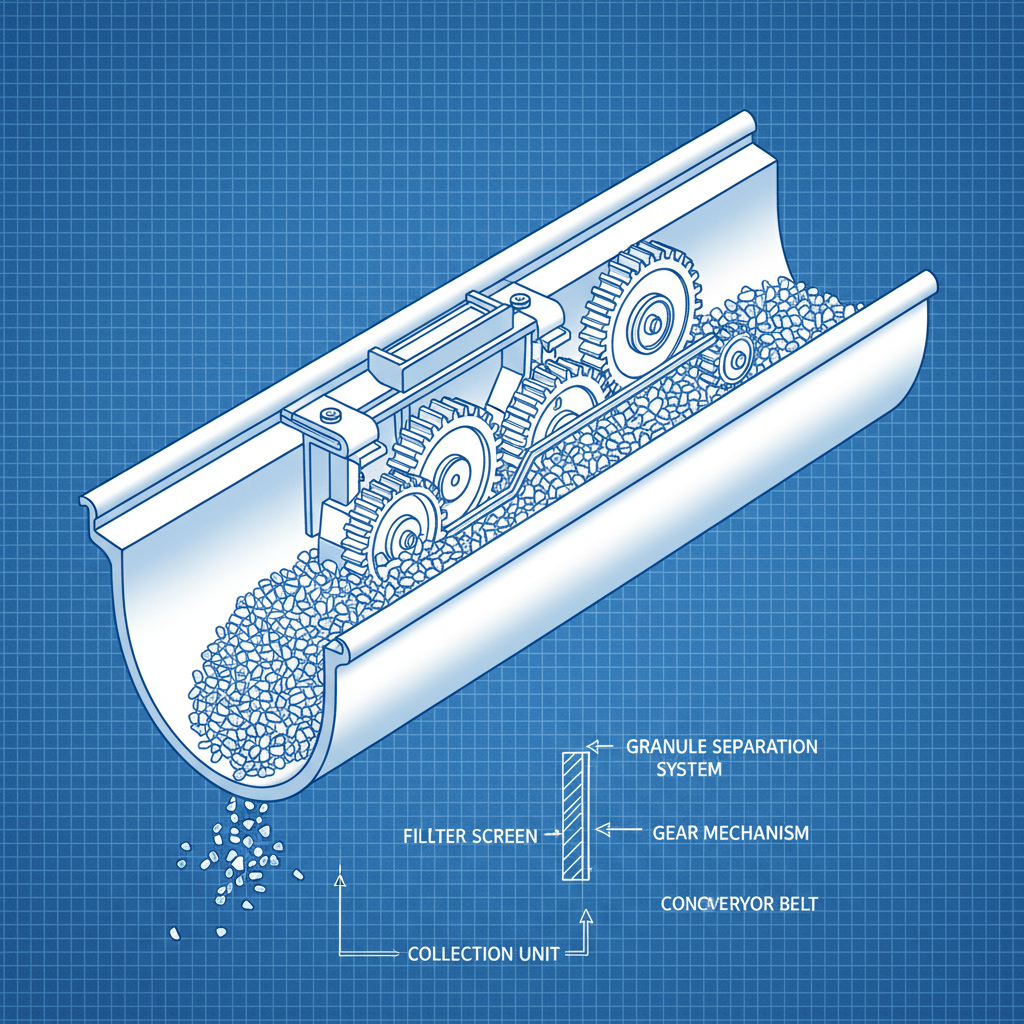
Adhesion is another critical component; the use of high-quality waterproof acrylic resin as an adhesive ensures that the protective stone particles remain bonded to the metal base. This prevents the "balding" often seen in traditional asphalt shingles, which directly impacts how long do house shingles last in high-wind areas.
Finally, the outer layer of natural stone particles or inorganic color pigments provides essential UV protection and weathering resistance. This multi-layered approach ensures that the roof is not only fire-resistant and hail-resistant but also maintains its visual appeal for decades.
Comparing Lifespan Performance Metrics
To understand the true value of roofing investments, one must compare different materials across several stress tests. While traditional organic materials degrade under intense heat, the Al-Zn plated metal used in stone coated tiles remains stable, significantly extending the timeframe of how long do house shingles last.
Performance metrics typically include resistance to wind uplift, fire spread, and impact from hail. Stone coated metal roof tiles excel in these categories, offering a level of security that traditional asphalt cannot match, especially in disaster-prone zones.
Roofing Material Durability Comparison
Global Applications of High-Durability Roofing
Stone coated metal roof tiles are increasingly utilized in diverse geographic regions due to their versatility. From residential sloping roofs in suburban neighborhoods to commercial projects in industrial zones, these materials provide a consistent shield against storm and wind damage.
In post-disaster relief operations or the construction of remote industrial housing, the ease of installation combined with high resistance to earthquakes and hail makes these tiles a preferred choice. They provide immediate, long-term security where traditional materials would fail quickly.
Long-Term Economic and Sustainable Value
The cost-effectiveness of a roof is not determined by the initial price tag but by the frequency of replacement. By extending the answer to how long do house shingles last, stone coated metal tiles reduce the lifetime cost of ownership, eliminating the need for repetitive execution and costly mid-cycle repairs.
From a sustainability perspective, these products are environment-friendly high-tech solutions. They utilize recyclable metal and natural stone, reducing the carbon footprint associated with the manufacturing and disposal of traditional petroleum-based asphalt shingles.
Beyond the logic of cost and ecology, there is an emotional value in reliability. Homeowners gain peace of mind knowing their family is protected by a fire-resistant and storm-resistant barrier that does not require constant vigilance or maintenance.
Innovations in Stone Coated Metal Technology
The evolution of roofing technology is moving toward "Cool Roof" systems. By integrating high reflective ceramic granules, modern tiles can reflect a significant portion of solar radiation, reducing attic temperatures and lowering energy consumption for cooling.
Future trends indicate a deeper integration of smart materials that can self-heal minor abrasions or change properties based on temperature. The current standard of using Al-Zn plates and acrylic resins is the foundation for these upcoming digital and chemical transformations in building science.
As global building codes become stricter regarding fire safety and wind resistance, the shift toward stone coated metal is becoming a necessity rather than a luxury. This transition ensures that the question of how long do house shingles last is answered with "decades" rather than "years."
Comprehensive Analysis of Stone Coated Metal Roofing Performance
| Performance Metric |
Traditional Shingles |
Stone Coated Metal |
Impact on Lifespan |
| Wind Resistance |
Moderate (prone to lift) |
High (interlocking system) |
Prevents storm loss |
| Fire Rating |
Combustible/Low |
Non-combustible |
Increases safety |
| Corrosion Resistance |
N/A (Organic decay) |
Excellent (Al-Zn plate) |
Extends structural life |
| Hail Impact |
High bruising risk |
Highly resistant |
Reduces repair frequency |
| Installation Speed |
Slow (individual nails) |
Fast (integrated panels) |
Reduces labor cost |
| Environmental Impact |
High landfill waste |
Eco-friendly/Recyclable |
Promotes sustainability |
FAQS
Traditional asphalt shingles typically last 15 to 30 years depending on quality and climate. However, when you switch to stone coated metal roof tiles, the lifespan is significantly extended due to the corrosion-resistant Al-Zn plate and protective stone surface, often lasting several decades longer with minimal maintenance.
Yes, while clay tiles offer a similar natural look, they are heavy and brittle. Stone coated metal tiles provide the same aesthetic but are light, strong, and resistant to earthquakes and hail, making them a more durable choice for various structure types including wood, steel, and concrete.
Absolutely. Stone coated metal roofing tiles are designed for use on both original buildings and new construction. They are suitable for all sloping roofs and can be easily integrated into existing structures regardless of the underlying frame material.
Yes, they are highly fire-resistant compared to traditional asphalt shingles. The combination of a metal base and inorganic stone particles ensures that the roof does not contribute to the spread of fire, providing a critical safety layer for the home.
On the contrary, stone coated metal tiles are known for easy installation. Their lightweight nature and engineered fit allow for a faster deployment than traditional heavy tiles or individual shingles, reducing labor time and costs.
These tiles are specifically engineered to be wind-resistant and storm-resistant. The high-quality acrylic resin ensures a strong bond between the stone and metal, while the structural integrity of the Al-Zn plate prevents the roof from buckling or peeling during severe weather events.
Conclusion
Understanding how long do house shingles last is the first step toward making an informed decision about home protection. While standard materials offer a baseline of security, the transition to stone coated metal roof tiles represents a leap in durability, safety, and sustainability. By combining the aesthetic appeal of natural stone with the industrial strength of Al-Zn plated steel, homeowners can secure a roofing solution that resists fire, hail, and wind for a lifetime.
As we move toward a future of greener and more resilient architecture, investing in high-performance materials is no longer optional but essential. We encourage you to prioritize longevity and eco-friendliness to protect your investment and the environment. For more information on advanced roofing solutions, visit our website: www.coolroofmaterials.com