Understanding the fiberglass shingles cost is a critical first step for any homeowner or developer planning a roofing project. In the global construction market, the balance between initial expenditure and long-term durability determines the viability of a residential design, making the financial analysis of roofing materials a top priority for budget management.
From a global industry perspective, the demand for cost-effective yet resilient roofing has led to a surge in composite materials. As urban centers expand across Asia and North America, the pressure to find materials that offer both aesthetic appeal and weather resistance has shifted the conversation toward a more detailed breakdown of the fiberglass shingles cost and its impact on total property valuation.
While traditional materials may seem cheaper upfront, the modern industry emphasizes "lifecycle value." By analyzing the fiberglass shingles cost against alternatives like asphalt or stone-coated metal, stakeholders can identify which systems reduce maintenance overhead and improve energy efficiency over several decades.
Defining Fiberglass Shingles Cost and Market Value
The fiberglass shingles cost refers to the total financial investment required to procure and install roofing shingles reinforced with a fiberglass mat. Unlike basic felt-based products, fiberglass provides a dimensional stability that prevents the shingles from warping or shrinking, which adds a premium to the material price but significantly extends the roof's lifespan.
In the broader context of the non-metallic mineral products industry, this cost is viewed as an investment in structural integrity. Because these materials are engineered to be waterproof and fireproof, the initial fiberglass shingles cost often offsets the future expenses associated with emergency repairs and frequent replacements.
Core Components Influencing Roofing Expenses
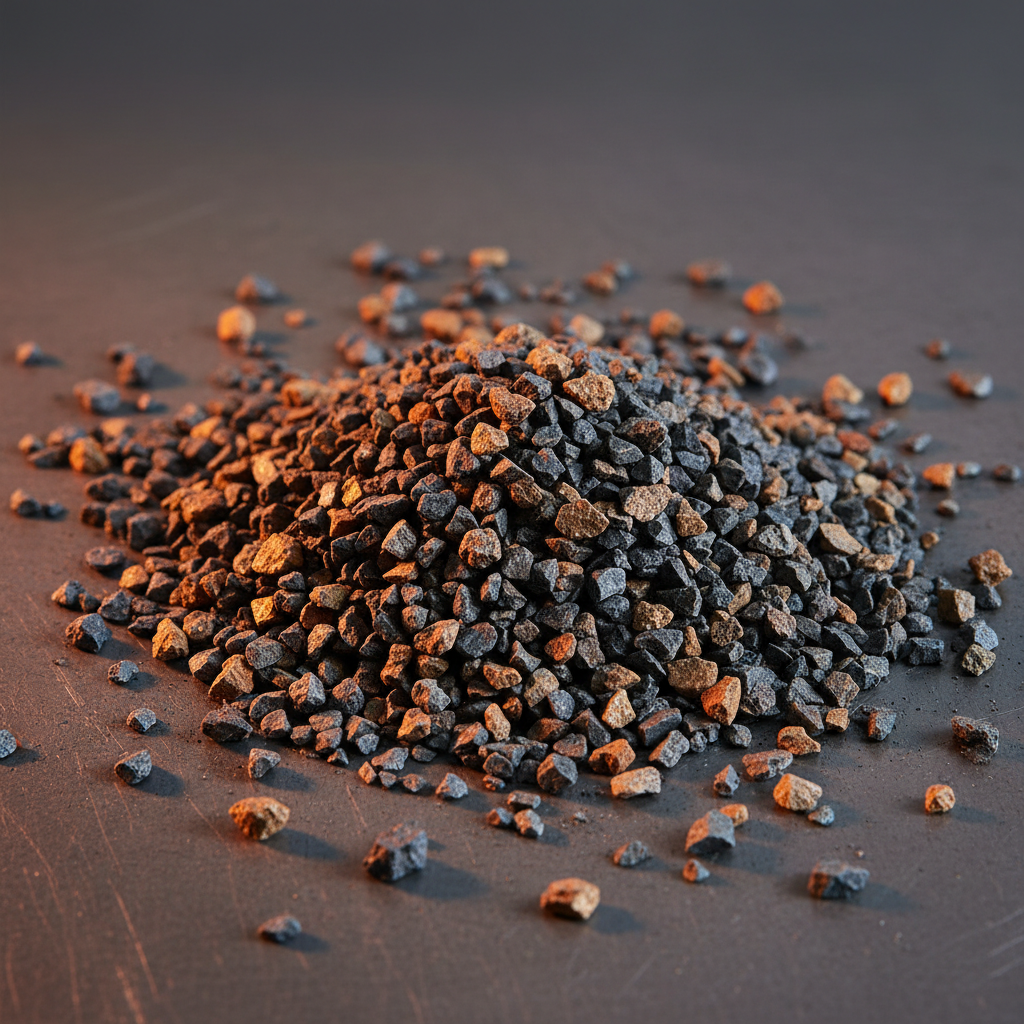
One of the primary factors driving the fiberglass shingles cost is the quality of the granules and the adhesive used to bond them to the fiberglass mat. High-grade granules not only provide the desired color but also protect the asphalt from UV degradation, which is a key factor in determining how long the roof remains functional before requiring a total overhaul.
Additionally, the geometric complexity of the roof plays a significant role in the final bill. For roofs with complex shapes, the ability to cut and fit materials easily is paramount. While fiberglass shingles are flexible, the labor cost associated with intricate flashing and ridge capping can increase the total project expenditure beyond the base material price.
Finally, structural load-bearing requirements influence the choice of material. Lightweight options, such as our advanced asphalt shingles, reduce the pressure on the roof structure, potentially lowering the need for expensive structural reinforcements during the installation process, thereby optimizing the overall budget.
Material Comparison: Fiberglass vs. Stone Coated Metal
When comparing the fiberglass shingles cost to that of stone-coated metal roof tiles, the difference is often found in the durability-to-price ratio. Stone-coated metal tiles provide superior acid and alkali resistance, making them an ideal choice for industrial zones or coastal areas where environmental corrosion is a constant threat.
From a purely financial perspective, the fiberglass shingles cost may appear lower for small-scale residential projects. However, the stone-coated alternative offers a "cost-effective" long-term solution because it combines the elegance of traditional tile with the lightweight strength of steel, eliminating the need for the frequent replacements associated with asphalt-based products.
Ultimately, the choice depends on the specific needs of the slope roof. While fiberglass options are widely used for their soft texture and ease of cutting, the long-term value of high-reflective ceramic granules for cool roofs provides a reduction in energy costs that can eventually eclipse the initial fiberglass shingles cost.
Analyzing the Cost-Effectiveness of Installation
The true value of a roofing system is not found in the price per square foot, but in the ease of operation and installation. Materials that are convenient for transportation and storage reduce the logistical overhead, which is a hidden but significant part of the total fiberglass shingles cost during large-scale developments.
By utilizing lightweight materials that reduce load-bearing pressure, contractors can speed up the construction timeline. This efficiency leads to lower labor costs, ensuring that the final expenditure remains within the projected budget while maintaining high structural stability and waterproof performance.
Comparison of Lifetime Value vs. Fiberglass Shingles Cost
Global Applications in Diverse Climates
In regions prone to extreme weather, the fiberglass shingles cost is weighed against the material's ability to withstand wind and rain. In North American suburbs, the fireproof and windproof nature of these shingles makes them a standard for residential safety, providing peace of mind to homeowners in wildfire-prone zones.
Conversely, in tropical climates, the focus shifts toward acid and alkali resistance to combat humidity and salt spray. Here, the application of stone-coated metal roof tiles becomes more attractive than fiberglass options, as they offer superior resistance to aging and environmental degradation.
Long-Term Value and Sustainability Benefits
Sustainability in roofing is no longer just about the materials used, but about the energy they save. While the initial fiberglass shingles cost is competitive, the integration of high-reflective ceramic granules can drastically reduce the "Urban Heat Island" effect, lowering indoor temperatures and reducing electricity bills for cooling.
The emotional value of a roof lies in the trust that it will protect the family and the assets beneath it. By choosing materials that are anti-aging and waterproof, owners invest in a sense of security and dignity, knowing their home is shielded by industry-leading technology.
Moreover, the lightweight nature of modern asphalt and metal tiles ensures that the existing building structure is not compromised over time. This prevents costly structural repairs, effectively reducing the total cost of ownership compared to heavy traditional clay tiles.
Future Trends in High-Reflective Roofing Costs
The future of the roofing industry is moving toward "Smart Roofs" that integrate energy generation with thermal regulation. We are seeing a transition where the fiberglass shingles cost is being compared to integrated solar shingles, which can eventually pay for themselves through energy production.
Automation in the manufacturing of non-metallic mineral products is also driving down costs. With the adoption of precision cutting and robotic coating, the consistency of product quality is increasing, which means fewer defects and lower waste during the installation process on complex slope roofs.
As green building certifications like LEED become more prevalent, the market will likely favor high-reflective materials. This shift will redefine the fiberglass shingles cost by incorporating the value of carbon footprint reduction and energy efficiency into the procurement equation.
Comparative Analysis of Roofing Material Efficiency and Cost Factors
| Material Type |
Durability Score |
Installation Ease |
Relative Cost Index |
| Standard Fiberglass |
6/10 |
High |
Low |
| Premium Asphalt |
7/10 |
High |
Medium |
| Stone Coated Metal |
10/10 |
Medium |
Medium-High |
| HIREFLE Ceramic |
9/10 |
Medium |
Medium-High |
| Composite Polymer |
8/10 |
High |
Medium |
| Traditional Clay |
8/10 |
Low |
High |
FAQS
Fiberglass shingles generally have a slightly higher upfront cost than traditional felt-based asphalt shingles. However, this is due to the fiberglass mat which provides significantly better dimensional stability and resistance to temperature fluctuations, meaning they last longer and require fewer repairs over time.
Yes, for many homeowners. While the initial investment is higher, stone-coated metal tiles are highly resistant to fire, acid, and alkali, and they do not age as quickly as asphalt-based products. This longevity eliminates the need for a second roof replacement within the typical lifetime of a home.
Absolutely. Roofs with complex geometric shapes require more cutting, fitting, and specialized flashing. Materials that are easy to cut—like our asphalt shingles—can help reduce labor hours, which keeps the total project cost lower compared to rigid materials that are difficult to manipulate.
Yes. High-reflective ceramic granules (like those in our HIREFLE line) reflect a significant portion of solar radiation away from the roof. This lowers the heat transfer into the building, which can reduce air conditioning costs by 15-30% during peak summer months.
Yes, because lightweight materials reduce the dead load on the roof's structural frame. This often removes the need for expensive structural reinforcement of the rafters or walls, which can save thousands of dollars in construction costs for new builds or renovations.
If you have a limited immediate budget and a standard roof, fiberglass shingles are a great choice. If you are looking for a "once-in-a-lifetime" roof with maximum durability and lower maintenance, the higher initial cost of stone-coated metal is a smarter financial move.
Conclusion
Analyzing the fiberglass shingles cost reveals that while material price is a starting point, the true value of a roof is found in its durability, installation efficiency, and long-term environmental performance. By weighing the initial expenditure against benefits like fireproofing, waterproof stability, and the energy-saving potential of high-reflective granules, property owners can make an informed decision that protects both their home and their wallet.
Looking forward, the integration of sustainable materials and automated manufacturing will continue to optimize the balance between cost and quality. We recommend that homeowners prioritize materials that offer a low structural load and high environmental resistance to ensure their investment stands the test of time. Visit our website for more professional roofing solutions: www.coolroofmaterials.com