
Oct . 12, 2025 13:00 Back to list
Types of Roof Shingles: Durable, Affordable Options
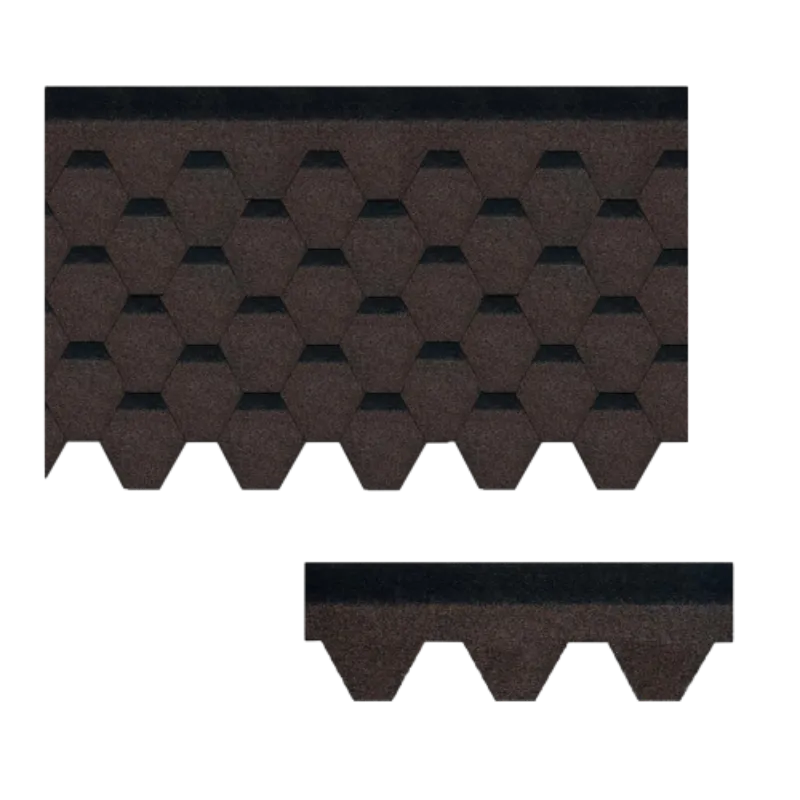
Field Notes on Roofing: Why Gothic Shingles Keep Popping Up in Spec Lists
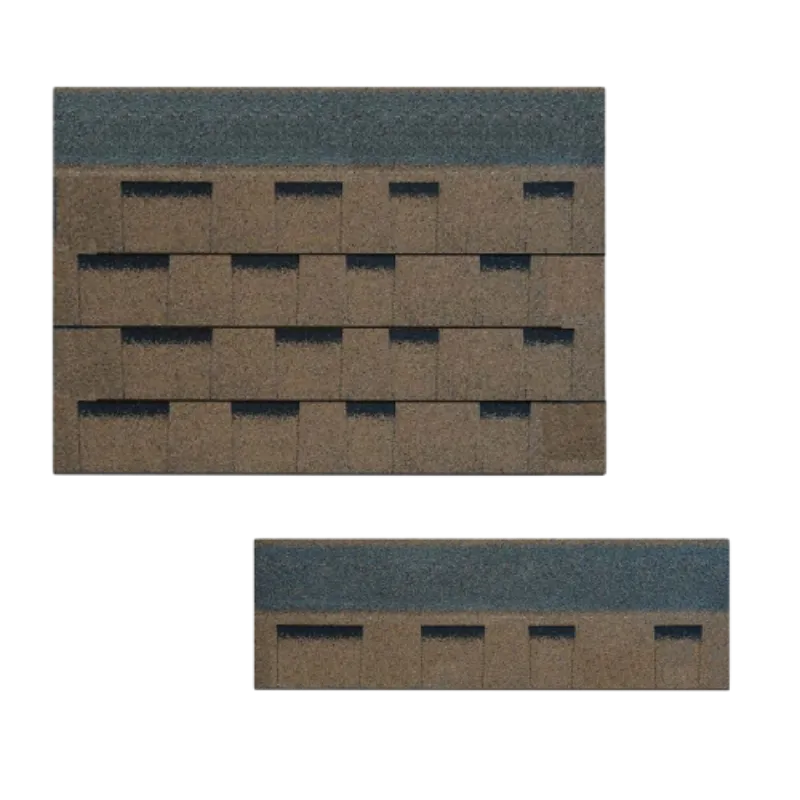
On job walks and late-night spec reviews, three things always come up: budget, wind, and curb appeal. And that’s where the conversation about types of roof shingles gets real. In fact, the “Gothic” profile has been quietly winning bids—partly for the look, partly for the numbers. I’ve watched crews switch mid-season because installers liked the nailing feel and inspectors liked the paperwork. To be honest, that’s rare alignment.
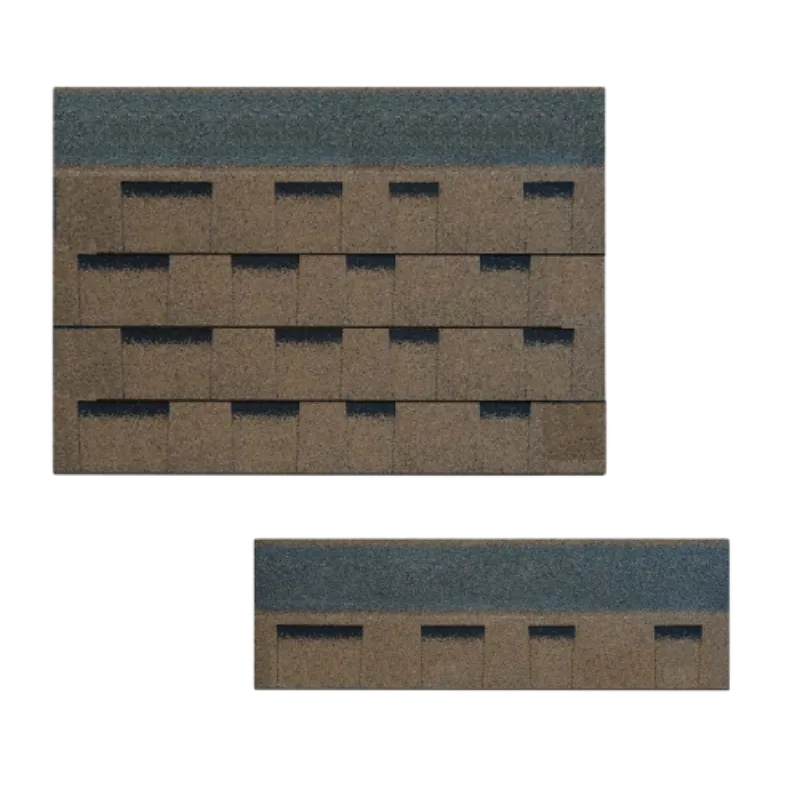
Product snapshot: Gothic Shingles (origin: Shijiazhuang, China)
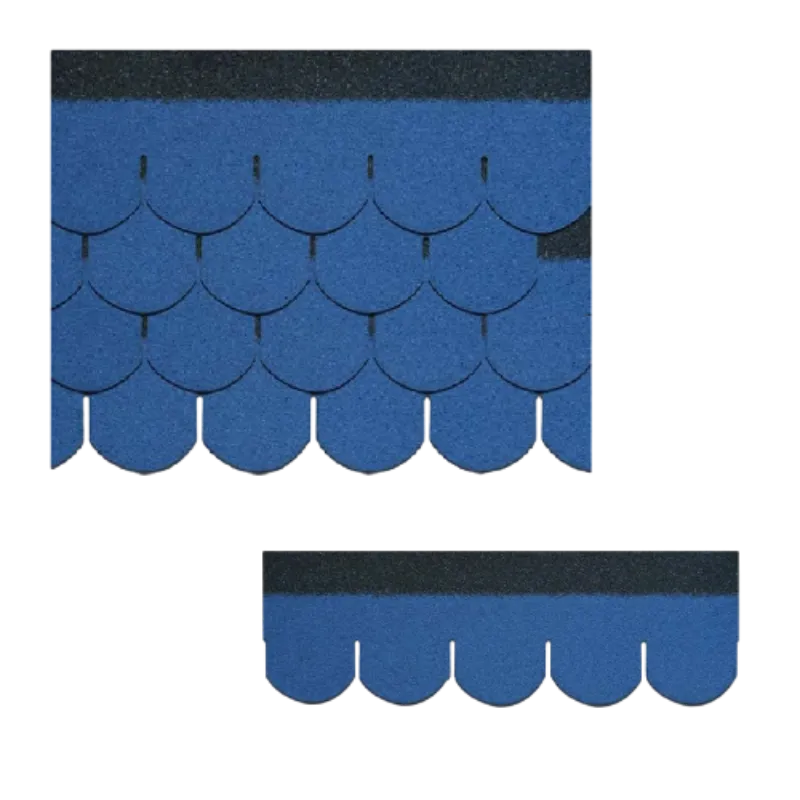
Manufacturer address: No.B2305, Times Ark Building, Guangan Street, Shijiazhuang, China. The Gothic cut fits the architectural-asphalt family—still the workhorse in North American reroofs. Many customers say the pattern looks richer than legacy 3-tabs without jumping to metal pricing.
| Parameter | Gothic Shingles (spec) | Notes |
|---|---|---|
| Size | 1000 × 325 mm | ≈39.4 × 12.8 in (real-world coverage varies by exposure) |
| Weight | 8.5 kg/㎡ | Installer feedback: feels solid, not “flimsy.” |
| Asphalt | Modified asphalt | Often SBS-modified for flexibility in colder installs. |
| Frame | Glassfirber Mat | Fiberglass base mat—industry standard for dimensional shingles. |
Manufacturing flow, testing, and service life
Materials flow (simplified): fiberglass mat → asphalt impregnation (modified binder) → ceramic granule surfacing → sealant stripes → cutting (Gothic profile) → bundle & QC. Quality checks typically include granule adhesion, nail pull-through, dimensional tolerance, and heat exposure cycling. Target standards referenced in submittals often include ASTM D3462 (fiberglass shingles), ASTM D3018, ASTM D7158 (wind resistance), UL 2218 (impact), and ASTM E108/UL 790 for fire classification. Actual ratings depend on assembly and underlayment—ask for current test reports.
Expected service life: around 20–30 years in temperate climates with proper ventilation and installation; coastal, high-UV, or high-wind zones may shorten that window. I guess the real-world variable is installation quality—fastener placement and deck prep matter more than fancy brochures.
Where these shine (usage scenarios)
- Residential reroofs wanting architectural look without metal pricing.
- Multi-family and light commercial sloped roofs (≤60 mph exposure B as default; consult wind maps for higher exposures).
- Designs needing consistent color batches—custom color runs are possible with volume.
Option check: comparing common types of roof shingles
| Option | Composition | Fire/Wind/Impact | Weight | Price |
|---|---|---|---|---|
| Gothic Shingles | Modified asphalt on fiberglass mat | Designed for Class A / ASTM D7158 compliant assemblies; UL 2218 depends on exact build—verify certificates | 8.5 kg/㎡ | $$ (mid) |
| Budget 3‑tab Asphalt | Oxidized asphalt, fiberglass | Typically Class A; lower wind resistance | ≈7–8 kg/㎡ | $ (low) |
| Premium Architectural Asphalt | Heavier laminated asphalt | Often Class A; higher wind ratings available | ≈9–12 kg/㎡ | $$$ (mid-high) |
| Stamped Metal Shingle | Steel/Aluminum with coatings | Class A; very high wind resistance; good impact (varies) | ≈4–6 kg/㎡ | $$$$ (high) |
Customization and procurement
Colorways, private labeling, and algae-resistant granules are commonly available on request (MOQs apply). Factory ships from Shijiazhuang; for container111s, allow lead time for color matching and third-party inspection if you need it. A simple but smart step: request recent ASTM/UL test reports and batch QC sheets before locking freight.
Mini case study (installer feedback)
A 48‑unit townhome reroof swapped aging 3‑tabs for Gothic-style laminates. Crew lead told me nailing felt “clean” (less blow-through), and the HOA liked the shadow line. After the first storm, maintenance noted fewer granules in gutters than the previous cycle—anecdotal, sure, but encouraging. Warranty claims? None reported in the first year; still early days.
Industry trend watch
Architectural asphalt continues to dominate types of roof shingles due to install speed, familiar details, and code acceptance. The next wave is performance-by-assembly: pairing shingles with synthetic underlayments, enhanced ridge vents, and ice/water membranes to hit wind and fire ratings reliably. Also, owners increasingly ask for EPDs and cool-color granules. Surprisingly, some of the best ROI still comes from better attic ventilation—not the shingle itself.
Citations
Latest news
-
Expert Clay Roof Replacement Contractor Services: Durable, Sustainable & Authentic Roofing Solutions
NewsDec.02,2025
-
Comprehensive Guide to Clay Roof Replacement: Benefits, Trends & Best Practices
NewsDec.02,2025
-
Clay Roll Top Ridge Tiles: Durable, Sustainable Roofing for Every Climate
NewsDec.02,2025
-
Clay Ridge Tiles for Slate Roofs: Durable, Sustainable, and Elegant Roofing Solutions
NewsDec.02,2025
-
Comprehensive Guide to Clay Ridge Roof Tiles: Benefits, Applications & Future Trends
NewsDec.02,2025
-
Clay Red Roof Tiles – Durable, Sustainable & Timeless Roofing Solutions
NewsDec.02,2025
Copyright © 2026 Hebei Chida Manufacture and Trade Co., Ltd. All Rights Reserved. Sitemap | Privacy Policy | Top Blog | Global Service