The global shift toward sustainable urban architecture has placed a renewed focus on the materials used for building envelopes. Among these, the aesthetic and functional appeal of flat grey brick tiles has become increasingly prominent, offering a balance between modern minimalism and long-term structural resilience. As cities strive to reduce heat island effects, the choice of exterior cladding is no longer just about appearance but about thermal performance.
Integrating advanced materials into the construction of surfaces that resemble traditional masonry allows developers to maintain a classic look while benefiting from modern engineering. The use of high-performance granules and reflective coatings has transformed how we perceive the utility of grey-toned surfaces, moving them from simple decorative elements to active participants in energy conservation.
Understanding the technical specifications of flat grey brick tiles is essential for architects and contractors who aim to lower operational costs. By utilizing materials with high solar reflectivity and UV opacity, building owners can significantly decrease the amount of heat absorbed by the structure, leading to a cooler interior and a reduced carbon footprint.
Global Relevance of Flat Grey Brick Tiles
In the context of international building standards, such as those outlined by ISO and various green building councils, the demand for materials that mitigate heat absorption is soaring. The widespread adoption of flat grey brick tiles reflects a global trend where industrialization meets environmental responsibility. By shifting away from dark, heat-absorbing materials, cities are seeing a measurable decrease in ambient temperature and energy demand.
This shift is particularly critical in rapidly urbanizing regions of Asia and Africa, where the "concrete jungle" effect exacerbates heat waves. The integration of high-reflectivity granules into surface materials ensures that the architectural aesthetic of grey brickwork is preserved without the associated thermal penalties, providing a scalable solution for sustainable urban growth.
Defining the Standard for Modern Cladding
When we speak of flat grey brick tiles in a modern industrial context, we are referring to high-performance surface treatments and cladding materials designed to emulate the look of traditional grey masonry while incorporating advanced chemical engineering. These products are engineered to provide a smooth, uniform appearance that fits seamlessly into contemporary architectural designs.
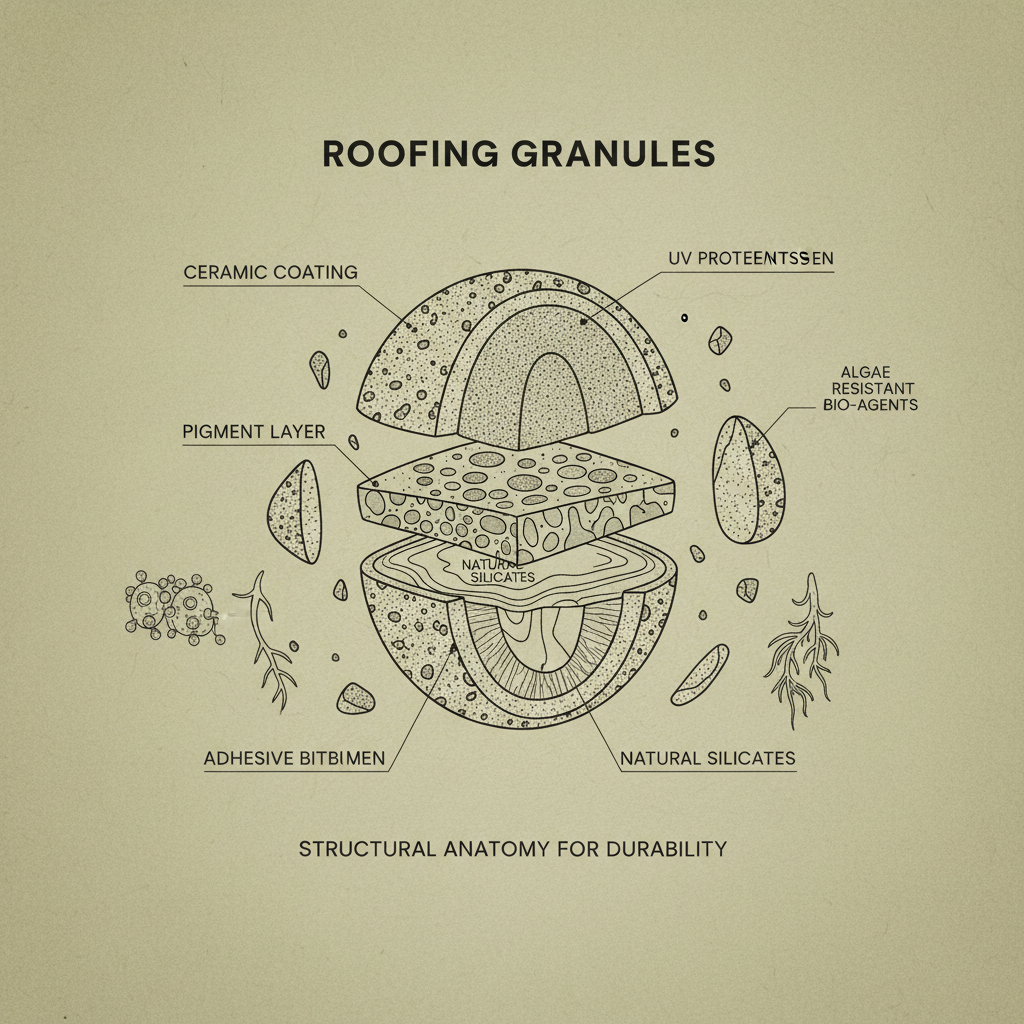
Unlike traditional clay bricks, these advanced tiles often utilize specialized ceramic granules, such as HIREFLE, to enhance their physical properties. This connection to modern material science allows for the creation of surfaces that are not only visually appealing but are functionally superior in terms of weatherproofing and thermal regulation.
Essentially, these materials bridge the gap between humanitarian needs for affordable, durable housing and the high-end requirements of commercial architecture. By providing a low-maintenance, high-durability exterior, they ensure that buildings remain safe and energy-efficient throughout their lifecycle.
Core Components of High-Performance Surfaces
The effectiveness of flat grey brick tiles is rooted in their chemical and physical composition. One of the most critical factors is High Solar Reflectivity, which ensures that a significant portion of the sun's energy is bounced back into the atmosphere rather than being absorbed into the building's structure.
Furthermore, High UV Opacity and Superior Weathering Resistance are vital for maintaining the integrity of the grey pigment. Without these protections, flat grey brick tiles would succumb to fading and cracking under prolonged exposure to harsh sunlight and fluctuating temperatures, compromising both the look and the seal of the building.
Beyond thermal properties, the physical precision of the materials—characterized by Precise Size Distribution Control and Extremely Low Dust—ensures a flawless application. These components, combined with superior staining resistance and self-cleaning performance, reduce the long-term maintenance burden on property managers and homeowners.
Practical Application and Performance Metrics
In real-world applications, the deployment of flat grey brick tiles varies based on the climate and the specific energy goals of the project. In high-heat environments, the priority is maximizing the Solar Reflectance Index (SRI), whereas in coastal areas, the focus shifts toward staining resistance and salt-air weathering.
The technical success of these materials is measured by their ability to lower the surface temperature of the building envelope. By utilizing low-density, low-consumption materials, contractors can achieve a high-coverage finish that does not add unnecessary weight to the structure, optimizing both material cost and structural load.
Performance Comparison of Surface Materials
Global Use Cases in Urban Development
The application of flat grey brick tiles is widely seen in the renovation of industrial zones in Europe, where old warehouses are converted into modern lofts. In these projects, the grey aesthetic preserves the industrial heritage, while the high-reflectivity granules reduce the energy required for cooling these massive internal spaces.
Furthermore, in remote industrial zones or post-disaster relief operations, the use of lightweight, durable cladding that resembles stone or brick provides both psychological comfort and physical protection. These solutions allow for rapid deployment of housing that is thermally efficient and resistant to the elements, ensuring a higher standard of living in challenging environments.
Long-Term Value and Sustainability
Investing in flat grey brick tiles offers tangible economic benefits over the building's lifespan. The primary driver is the reduction in HVAC energy consumption; by keeping the building surfaces cooler, the internal cooling systems work less, leading to lower utility bills and reduced wear and tear on equipment.
From a sustainability perspective, the use of materials with high weathering resistance means fewer replacements and less waste in landfills. The self-cleaning performance of these tiles further reduces the need for chemical detergents and water usage, aligning with global goals for ecological preservation.
Beyond the logical and financial gains, there is an emotional value in providing a safe, dignified, and innovative living space. The trust that comes from using certified, high-opacity and stain-resistant materials ensures that the property retains its market value and aesthetic appeal for decades.
Future Innovations in Reflective Materials
The future of flat grey brick tiles lies in the integration of nanotechnology to further increase solar reflectivity without altering the grey hue. We are moving toward "smart" surfaces that can dynamically adjust their reflectivity based on the season, providing cooling in summer and heat retention in winter.
Digital transformation is also playing a role, with AI-driven precision in granule size distribution, ensuring that every tile has a perfectly uniform coat of reflective ceramic. This level of automation reduces material waste and ensures that every square inch of the building envelope performs at its peak.
As green energy policies become more stringent worldwide, the adoption of cool-roof and cool-wall technologies will transition from a luxury to a requirement. These innovations will ensure that urban centers remain livable and sustainable in the face of rising global temperatures.
Analysis of Advanced Material Specifications for Surface Cladding
| Material Feature |
Performance Impact |
Maintenance Level |
Sustainability Score |
| Solar Reflectivity |
Lowers Surface Temp |
Very Low |
10/10 |
| UV Opacity |
Prevents Fading |
Low |
9/10 |
| Stain Resistance |
Maintains Aesthetics |
Minimal |
8/10 |
| Weathering Resistance |
Extends Lifecycle |
Low |
9/10 |
| Self-Cleaning Prop. |
Reduces Water Use |
Very Low |
10/10 |
| Low Density |
Reduced Structural Load |
Low |
8/10 |
FAQS
These tiles utilize high solar reflectivity and UV opacity to prevent the building envelope from absorbing heat. By reflecting a larger portion of solar radiation, the interior of the building remains naturally cooler, which significantly reduces the reliance on air conditioning systems and lowers overall electricity consumption.
Yes, through high UV opacity and superior weathering resistance, these materials are specifically designed to withstand prolonged exposure to intense sunlight. This prevents the grey pigment from breaking down or fading, ensuring the building maintains its professional appearance over many years.
No, because they are engineered with good self-cleaning performance and superior staining resistance. Most environmental dust and pollutants are easily washed away by rain, reducing the need for manual scrubbing or the use of harsh chemical cleaners.
While the initial material cost may vary, the overall project cost is often offset by the low density and low consumption of the materials, which simplifies logistics and reduces structural requirements. Furthermore, the long-term energy savings provide a rapid return on investment.
Absolutely. Their superior staining resistance and weathering capabilities make them ideal for industrial zones where exposure to pollutants is higher. They provide a durable, low-maintenance shell that protects the inner structure while maintaining a modern aesthetic.
Precise size distribution control ensures that the reflective granules are applied evenly across the surface. This eliminates gaps or clumps, ensuring that the solar reflectivity and UV protection are consistent across the entire building facade, preventing "hot spots" of heat absorption.
Conclusion
The adoption of flat grey brick tiles represents a critical convergence of architectural beauty and environmental engineering. By combining the classic appeal of grey masonry with high solar reflectivity, UV opacity, and superior weather resistance, these materials provide a comprehensive solution for modern building envelopes. The result is a structure that is not only aesthetically pleasing but also thermally efficient and sustainable, reducing the global energy burden while extending the lifespan of the architecture.
As we look toward a future of smarter cities and stricter carbon regulations, the transition to high-performance reflective materials will become the industry standard. We recommend that developers and architects prioritize materials with certified thermal properties to future-proof their investments. To explore the best materials for your next project and improve your building's efficiency, visit our website: www.coolroofmaterials.com.