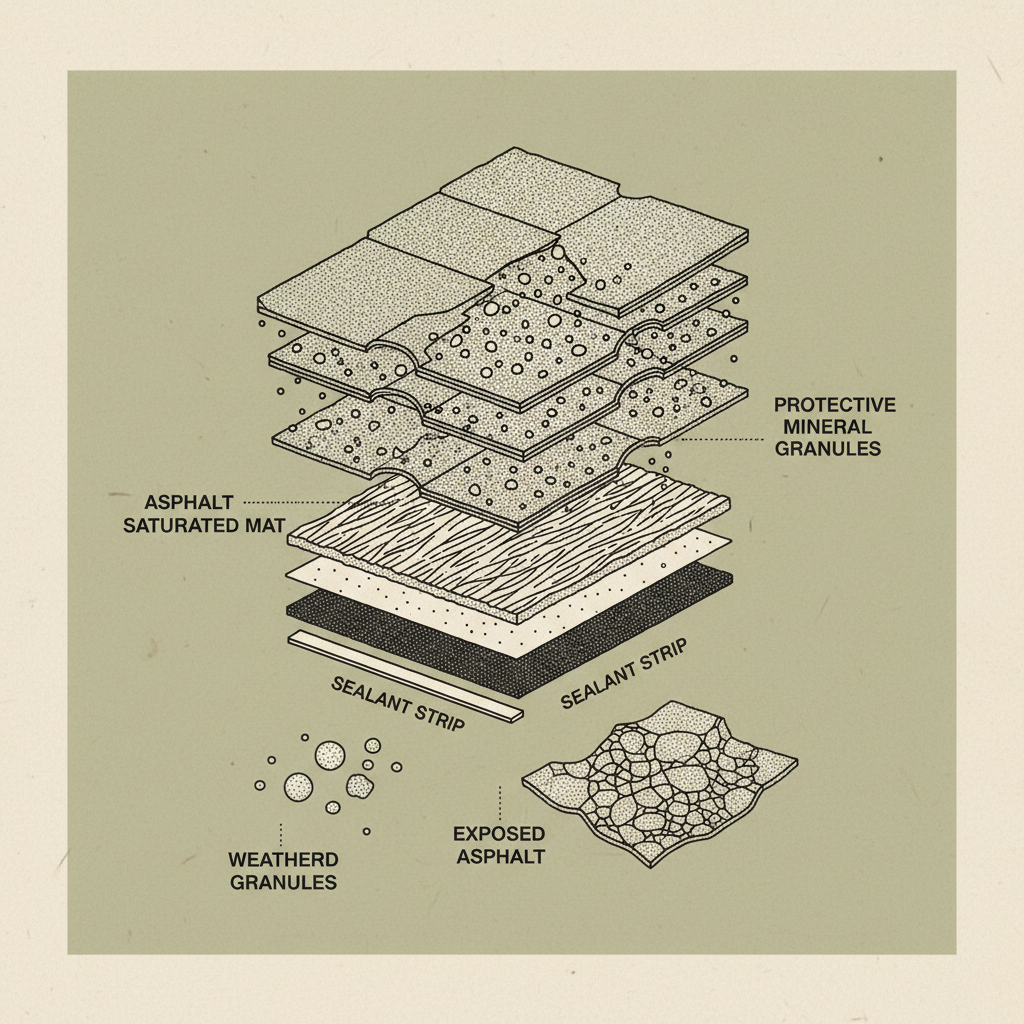
Selecting the right roofing material is a critical decision for any property owner, balancing the need for aesthetic appeal with long-term structural integrity. While many homeowners initially search for designer asphalt roof shingles to achieve a specific look, the evolution of material science has introduced high-performance alternatives that offer superior protection. Understanding the shift toward advanced composite materials is essential for ensuring a roof that can withstand the test of time and nature.
In the global construction market, the demand for roofing that combines the beauty of traditional clay with the strength of modern engineering has surged. The challenge lies in finding a product that does not compromise on style while providing extreme resistance to fire, wind, and hail. As urban environments face more volatile weather patterns, the industry is moving toward integrated solutions that offer higher durability than standard organic-based options.
Our focus today is on the Stone Coated Metal Roof Tile, a creative, environment-friendly high-tech product that serves as a robust alternative to designer asphalt roof shingles. By utilizing a high corrosion-resistant Al-Zn plate and natural stone particles, this roofing system delivers the decorative depth of traditional tiles with the lightweight strength of metal, setting a new standard for international advanced roofing materials.
The Engineering Behind Stone Coated Metal Tiles
Stone coated metal roof tiles represent a significant leap in manufacturing technology, blending traditional aesthetics with aerospace-grade materials. Unlike the composition of designer asphalt roof shingles, these tiles are built upon a foundation of high corrosion-resistant Al-Zn plates, ensuring that the core structure remains impervious to rust and decay over decades of exposure.
The surface is treated with a high-quality waterproof acrylic resin that acts as a powerful adhesive for natural stone particles or inorganic color pigments. This process allows the tiles to mimic the deep, natural textures of clay or slate while remaining incredibly lightweight, reducing the structural load on the building and simplifying the overall installation process.
Core Components of Advanced Roofing Systems
The effectiveness of a high-tech roofing system lies in its layered composition. At the base is the Al-Zn alloy plate, which provides the essential strength and resistance to oxidation. This metal core is what grants the system its "earthquake resistant" and "wind resistant" properties, providing a level of security that traditional materials simply cannot match.
Following the metal core is the acrylic resin layer, designed specifically for waterproof performance and long-term adhesion. This layer ensures that the decorative stone granules remain bonded to the tile even under extreme temperature fluctuations, preventing the shedding and granule loss often seen in aging designer asphalt roof shingles.
Finally, the outermost layer consists of natural stone particles. These particles provide the "decorative properties" of clay tiles, offering a rich, multi-dimensional look. Because these are natural materials, they possess high weathering resistance, ensuring the roof maintains its color and prestige regardless of the local climate or UV exposure.
Comparing Durability and Longevity
When evaluating long-term investments, durability is the primary metric. While designer asphalt roof shingles are popular for their initial cost, they often require more frequent replacements due to organic degradation and vulnerability to high winds.
In contrast, stone coated metal tiles are engineered to be hail resistant and storm resistant. The combination of a metal substrate and a stone coating creates a shield that absorbs the impact of debris and ice, significantly reducing the likelihood of punctures or structural failure during severe weather events.
Furthermore, the fire-resistant nature of these tiles provides peace of mind that designer asphalt roof shingles cannot always guarantee. By removing flammable organic binders from the core of the roofing material, property owners can drastically lower the risk of fire spread across the roof surface.
Performance Metrics in Extreme Weather
To understand the superiority of advanced metal tiles over conventional options like designer asphalt roof shingles, one must look at the stress-test data. Metal-based systems excel in wind-load tests, where their interlocking design and high material strength prevent the "uplift" effect that often strips shingles from a roof during hurricanes.
The versatility of these tiles also allows them to be applied to various structural types, including wood, steel, and concrete. This adaptability ensures that whether the building is a modern industrial complex or a traditional residential home, the performance remains consistent across all sloping roof designs.
Performance Comparison: Metal Tiles vs. Asphalt Shingles
Global Applications and Versatility
Stone coated metal roofing is becoming the main trend in international advanced roofing materials because it fits almost any architectural style. From the steep gables of Northern Europe to the Mediterranean villas of Southern Europe, the ability to replicate traditional clay looks makes it a global favorite for those who find designer asphalt roof shingles too limiting in aesthetic depth.
These tiles are particularly beneficial in remote industrial zones or regions prone to seismic activity. Because the materials are light and strong, they reduce the risk of roof collapse during earthquakes, providing a safer environment for inhabitants while maintaining a cost-effective installation process.
Long-Term Value and Sustainability
When analyzing cost-effectiveness, one must look beyond the initial purchase price. While designer asphalt roof shingles may have a lower entry cost, the lifetime value of stone coated metal tiles is significantly higher due to their extended lifespan and minimal maintenance requirements.
From an environmental perspective, these tiles are a creative, environment-friendly choice. They are often recyclable and produced with a focus on reducing waste. By extending the replacement cycle from 15-20 years to 50+ years, property owners significantly reduce the amount of roofing debris ending up in landfills.
The emotional value of safety and trust cannot be overstated. Knowing that a roof is fire-resistant, storm-proof, and earthquake-resistant gives homeowners a sense of dignity and security, transforming the roof from a simple utility into a long-term asset.
Future Innovations in Roofing Materials
The future of roofing is leaning heavily toward "Cool Roof" technology. Innovations such as high-reflective ceramic granules are being integrated into metal tiles to reflect solar radiation, reducing the internal temperature of buildings and lowering energy costs for cooling—a feat that traditional designer asphalt roof shingles struggle to achieve.
Digital transformation is also impacting installation. Automation in the cutting and shaping of Al-Zn plates allows for more complex, custom architectural designs that were previously too expensive or difficult to execute. This ensures that "designer" looks are now backed by industrial-strength performance.
As global building codes become stricter regarding sustainability and fire safety, the transition to high-tech composite materials will accelerate. The integration of sustainable pigments and bio-based resins will further enhance the eco-friendly profile of stone coated metal roofing.
Analysis of Stone Coated Metal Tiles vs. Traditional Roofing
| Feature |
Stone Coated Metal |
Asphalt Shingles |
Traditional Clay |
| Lifespan |
50+ Years |
15-25 Years |
40-60 Years |
| Weight |
Lightweight |
Moderate |
Very Heavy |
| Fire Resistance |
Class A (Excellent) |
Moderate |
Excellent |
| Installation |
Fast/Easy |
Easy |
Slow/Complex |
| Storm Resistance |
High (Hail/Wind) |
Low to Moderate |
Moderate |
| Eco-Friendliness |
Recyclable |
Low |
Moderate |
FAQS
Stone coated metal tiles offer significantly higher durability, fire resistance, and a longer lifespan than asphalt shingles. While asphalt provides a quick and affordable initial option, metal tiles combine the aesthetic appeal of clay with the strength of Al-Zn steel, making them more resistant to wind and hail damage over time.
Actually, stone coated metal tiles are designed for easy installation. They are lightweight compared to clay tiles and utilize a streamlined fastening system that is often faster than traditional methods. They are suitable for various structures, including wood, steel, and concrete sloping roofs.
Yes, they are specifically engineered to be earthquake resistant. Their lightweight nature reduces the top-heavy load on a building's structure, which minimizes the risk of roof collapse during seismic events compared to heavy traditional clay or concrete tiles.
Absolutely. Stone coated metal roof tiles are highly applicable to original buildings. Because they are lightweight, they can often be installed over existing structures without requiring expensive reinforcements of the roof trusses or support beams.
The use of high-weathering natural stone particles and inorganic pigments ensures the roof does not fade or crack under intense sun. Additionally, advanced versions with reflective granules help keep the building cool, reducing energy costs in hot climates.
Yes, they are considered high-tech, environment-friendly products. They are often made from recyclable metals and have a much longer lifecycle than organic shingles, which means far less material ends up in landfills over the life of the building.
Conclusion
In summary, while the search for designer asphalt roof shingles often begins with a desire for style, the long-term solution lies in materials that offer a fusion of beauty and resilience. Stone coated metal roof tiles provide an unmatched combination of Al-Zn corrosion resistance, fireproofing, and natural aesthetic appeal, ensuring that a property is protected against the most severe weather conditions while maintaining its architectural prestige.
As the construction industry continues to prioritize sustainability and safety, investing in high-tech roofing is no longer a luxury but a necessity for future-proofing any home or commercial building. We encourage property owners to look beyond the surface and choose materials that offer lifelong value and peace of mind. Visit our website: www.coolroofmaterials.com to explore the future of roofing.