
Nov . 27, 2025 15:15 Back to list
Roof Clay Shingles: Durable, Sustainable, & Timeless Roofing Solutions
Roof Clay Shingles: A Timeless Solution with Modern Impact
Roof clay shingles have been a staple roofing material for centuries, and yet, they continue to hold a unique position in today’s construction landscape. But why does this traditional material still matter on a global scale? Simply put, understanding roof clay shingles unlocks insights into sustainable building, cultural heritage preservation, and practical durability. As urban populations grow and climate concerns intensify, the features of roof clay shingles offer a blend of natural resilience and aesthetic appeal that modern materials sometimes struggle to match.
Why Roof Clay Shingles Matter Globally
The global roofing market continues to seek materials that balance cost-efficiency, durability, and environmental friendliness. According to the International Organization for Standardization (ISO), sustainable building materials are a key part of reducing carbon footprints worldwide. Roof clay shingles tick many of these boxes, made from abundant natural clay, baked at high temperatures, creating a product that's highly recyclable and long-lasting.
In regions prone to extreme weather—think Mediterranean countries or parts of Latin America—roof clay shingles provide an elegant, traditional answer to roofing needs. Yet beyond aesthetics, they are part of solving larger problems like urban heat islands and costly maintenance cycles, especially in developing economies. Oddly enough, while modern polymer roofs gain attention, clay shingles quietly outperform them in many practical ways.
What Exactly Are Roof Clay Shingles?
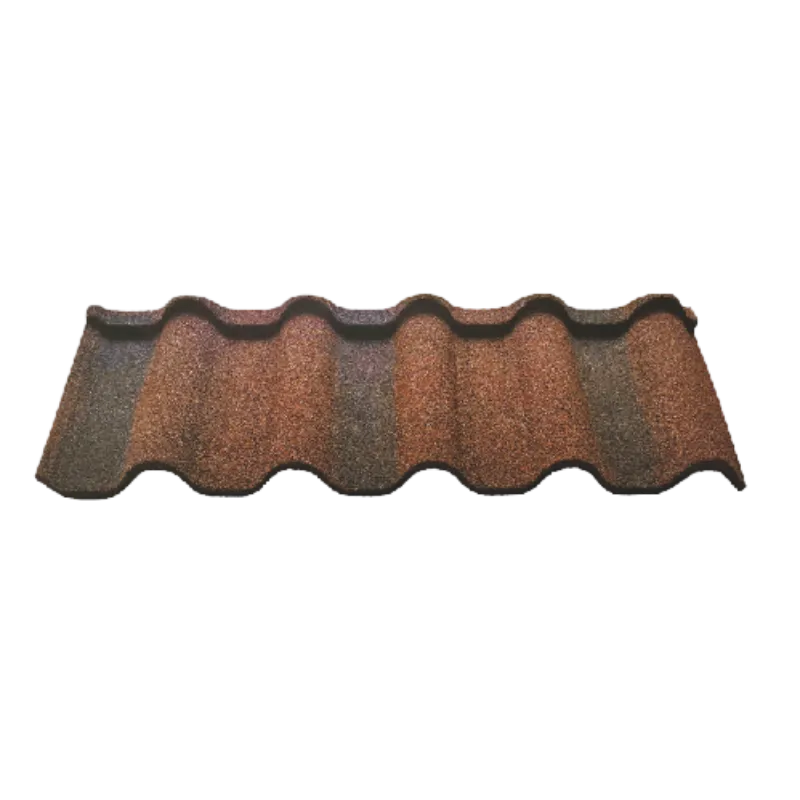
At their core, roof clay shingles are thin, curved or flat tiles made from natural clay, formed and fired in kilns to create hard, durable roofing elements. These shingles interlock or overlap to form a watertight, weather-resistant surface for homes and buildings.
They’re closely tied to the roofing traditions of various cultures — from Spanish mission homes in California to the tight red roofs of Italian villas. Today, their use intersects with humanitarian efforts, too. For example, in post-disaster relief housing, roof clay shingles can offer lasting protection against rain and sun, ensuring safety and dignity for affected families.
Key Factors Behind Roof Clay Shingles' Appeal
Durability That Stands the Test of Time
Clay shingles can last 50 years or more if installed correctly. Many engineers say the baked ceramic nature of clay means they resist rot, insects, and fire. This durability often translates to less frequent repairs and replacements — a huge saving in real terms.
Natural Insulation and Energy Efficiency
One of the cooler aspects is how clay shingles help regulate indoor temperatures. Their thermal mass absorbs heat during the day and releases it slowly at night, reducing the need for artificial cooling—a natural, old-school green energy method.
Cost Efficiency in the Long Run
While the upfront cost might seem higher than asphalt shingles, the life-cycle cost is often lower thanks to reduced maintenance and greater lifespan. Plus, roof clay shingles require minimal chemical treatments or coatings.
Scalability & Aesthetic Flexibility
From humble homes to upscale resorts, clay shingles come in various shapes, colors, and finishes, fitting both traditional and modern architectural styles. This versatility makes them appealing to a broad market segment, worldwide.
Environmental Sustainability
Clay is abundant and recyclable. The production process has improved in energy efficiency over decades, and unlike many synthetic materials, clay shingles break down naturally without toxic residues. As the building industry moves toward green certification, clay’s profile grows brighter.
Real-World Use Cases Across the Globe
- Mediterranean & Latin America: Long-established use in homes and public buildings, valued for climate adaptation.
- Post-disaster Relief: NGOs opt for clay shingles in rebuilding programs where weather resilience and cost control are key.
- Urban Green Roofs: In Europe and Japan, clay shingles are coated or treated to integrate with green roofing systems, enhancing biodiversity and insulation.
- Historic Preservation: Restoring cultural landmarks often depends on authentic materials like clay shingles to keep heritage accurate.
In remote industrial zones where supply chains are tricky, manufacturers sometimes ship prefabricated clay shingles for quick deployment on worker housing—showcasing a unique blend of tradition and pragmatism.
Product Specification Table: Typical Roof Clay Shingles
| Specification | Typical Range | Notes |
|---|---|---|
| Material | Natural clay (ceramic) | Locally sourced or imported |
| Dimensions | 12" x 6" approx. | Varies by style (flat, curved) |
| Weight | 7-10 lbs per shingle | Requires sturdy framing |
| Fire Resistance | Class A (highest) | Excellent fire protection |
| Lifespan | 50-100 years | Depends on installation & climate |
Vendor Comparison: Roof Clay Shingles Suppliers
| Supplier | Main Markets | Range & Customization | Sustainability Credentials | Price Level |
|---|---|---|---|---|
| TerraTile Co. | Europe, Middle East | Wide (custom colors & compact sizes) | ISO 14001 certified | Mid to High |
| ClayCraft Industries | North America, Asia | Standard profiles, some metallic coatings | Partial carbon-neutral initiatives | Mid |
| EcoRoofs Global | Worldwide | Eco-friendly blends & recycled clay | Full LEED compliance | High |
The Long-Term Benefits of Roof Clay Shingles
Why do so many homeowners, architects, and relief organizations choose roof clay shingles? The answer lies both in proven reliability and emotional comfort. Knowing your roof is built to withstand fire, sun, and storms offers peace of mind. Plus, clay shingles enhance a building’s curb appeal and contribute to local culture preservation—more than just shelter, it’s a symbol of care.
Sustainability factors add an even stronger dimension. With the steady global push for greener construction, using roof clay shingles feels like a nod back to natural, circular-material use, which frankly feels refreshing amid so much synthetic waste. And the cost savings over decades—often overlooked—are what many builders appreciate most.
Looking Ahead: Trends in Roof Clay Shingles
Innovation hasn’t escaped this age-old material. Manufacturers are experimenting with:
- Glazed and reflective coatings to boost energy efficiency even further.
- Modular designs for faster installation, often useful in emergency housing.
- Digital modeling to optimize tile shapes for better rainwater shedding.
- Policy pushes encouraging traditional materials in new green building codes globally.
It’s odd but exciting that roof clay shingles fit so well into smart city concepts marrying heritage with technology.
Challenges & Ways Forward
Clay shingles aren’t perfect. Their heaviness requires reinforced roof framing, and transport can cost more than ultra-lightweight modern materials. In some cold climates, freeze-thaw cycles cause cracking. But solutions are emerging, like lighter composite versions that maintain clay’s best traits and improved kiln technologies to strengthen tiles.
Frequently Asked Questions About Roof Clay Shingles
- Are roof clay shingles suitable for wet climates?
- Yes, they perform well in wet environments due to their dense firing process that makes them water-resistant. Proper installation with good underlayment ensures longevity, although freeze-thaw conditions should be considered in very cold areas.
- How do roof clay shingles compare with asphalt shingles in terms of cost?
- While clay shingles have a higher upfront price, their longevity (often 50+ years versus 15-30 for asphalt) offers better life-cycle value, reducing maintenance and replacement costs over time.
- Can roof clay shingles help improve building energy efficiency?
- Absolutely. Their thermal mass helps regulate indoor temperatures by absorbing and slowly releasing heat, which can reduce the need for air conditioning, particularly in hot climates.
- Is installation of roof clay shingles more complex than other materials?
- Installation requires skilled labor because tiles are heavier and more fragile during fitting. However, experienced roofing contractors familiar with clay shingles can handle this efficiently. Proper roof framing is also essential.
- Are clay shingles recyclable or reusable?
- Yes, one of their key sustainability features is that old or broken clay shingles can be crushed and recycled into new building materials, minimizing landfill waste.
Conclusion: Why Roof Clay Shingles Are Here to Stay
In an industry often drawn toward the latest shiny thing, roof clay shingles stand out as a timeless, environmentally responsible, and economically sound choice. Their blend of durability, energy efficiency, and cultural resonance makes them as relevant today as they were centuries ago. Whether you’re building a home, restoring a heritage site, or planning resilient housing for vulnerable communities, these shingles offer an unmatched balance of legacy and innovation.
For a closer look and sourcing options, visit our website: roof clay shingles.
Quick Takeaway
Roof clay shingles may seem traditional, but their sustainability, durability, and adaptability position them perfectly for the future of construction.
References
Latest news
-
Expert Clay Roof Replacement Contractor Services: Durable, Sustainable & Authentic Roofing Solutions
NewsDec.02,2025
-
Comprehensive Guide to Clay Roof Replacement: Benefits, Trends & Best Practices
NewsDec.02,2025
-
Clay Roll Top Ridge Tiles: Durable, Sustainable Roofing for Every Climate
NewsDec.02,2025
-
Clay Ridge Tiles for Slate Roofs: Durable, Sustainable, and Elegant Roofing Solutions
NewsDec.02,2025
-
Comprehensive Guide to Clay Ridge Roof Tiles: Benefits, Applications & Future Trends
NewsDec.02,2025
-
Clay Red Roof Tiles – Durable, Sustainable & Timeless Roofing Solutions
NewsDec.02,2025
Copyright © 2026 Hebei Chida Manufacture and Trade Co., Ltd. All Rights Reserved. Sitemap | Privacy Policy | Top Blog | Global Service