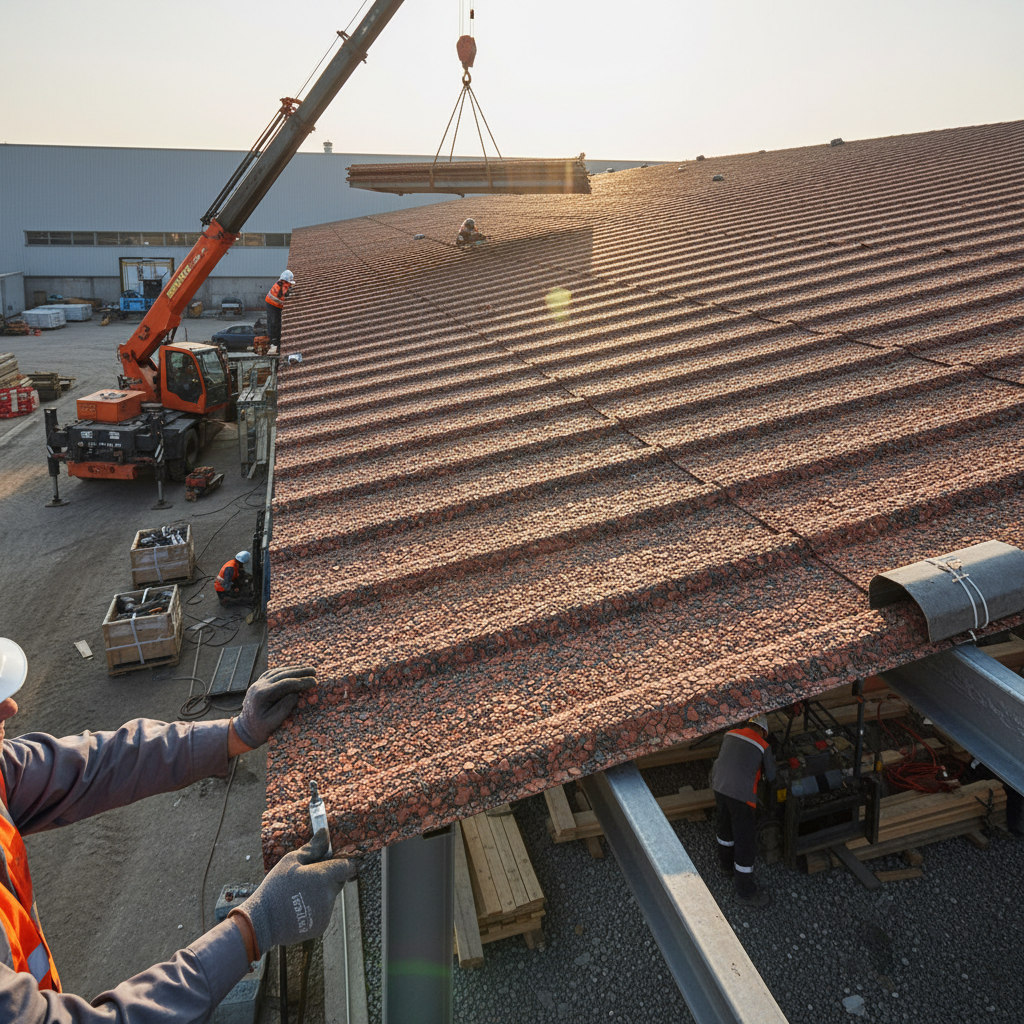
The global roofing landscape is currently facing a critical transition as millions of structures reach the end of their operational lifespan. Many homeowners and facility managers are now grappling with the degradation of old asphalt shingles, which often lead to increased energy costs and structural vulnerabilities. Understanding the lifecycle of these materials is essential for maintaining building integrity and improving overall energy efficiency in urban environments.
From a global sustainability perspective, the disposal and replacement of aged roofing materials present a significant logistical challenge. As thermal regulation becomes a priority to combat the urban heat island effect, the limitations of traditional, darkened roofing surfaces become more apparent. The industry is shifting toward high-reflectivity solutions that address the shortcomings found in the outdated compositions of legacy roofing systems.
Transitioning from old asphalt shingles to modern, high-performance materials like HIREFLE granules can drastically reduce a building's carbon footprint. By incorporating superior solar reflectivity and UV opacity, these advanced materials solve the heat absorption problems inherent in older systems, ensuring that modern infrastructure is both durable and environmentally responsible.
The Environmental Impact of Old Asphalt Shingles
Old asphalt shingles contribute significantly to the "heat island" effect in metropolitan areas. Because traditional dark granules absorb a vast majority of solar radiation, they transfer intense heat into the building envelope, forcing HVAC systems to work harder and increasing overall energy consumption. This cycle not only raises electricity costs but also contributes to higher greenhouse gas emissions globally.
Replacing these outdated materials with HIREFLE granules offers a sustainable alternative. By providing high solar reflectivity and superior weathering resistance, these modern granules prevent the excessive heat buildup typically associated with aging roof surfaces, effectively cooling the building surface and reducing the reliance on artificial cooling.
Defining the Degradation of Roofing Materials
In technical terms, the degradation of roofing surfaces occurs when the protective granule layer erodes, exposing the underlying bitumen to direct UV radiation. For many installations of old asphalt shingles, this process leads to curling, cracking, and eventually, water infiltration. This physical breakdown is a result of years of exposure to fluctuating temperatures and oxidative stress.
The connection between material failure and building health is direct; once the granules are lost, the roof's ability to reflect heat vanishes. This transition transforms the roof from a protective shield into a heat sink, which accelerates the aging of the internal structural components and decreases the lifespan of the entire roofing assembly.
Modern industrial needs now demand materials that go beyond basic waterproofing. The focus has shifted toward "Cool Roof" technology, where the objective is to maintain a low surface temperature regardless of the external climate, ensuring that the building remains energy-efficient throughout its operational life.
Core Components for Modern Roof Upgrades
To effectively replace old asphalt shingles, the industry focuses on several key performance indicators. First is Solar Reflectivity; the ability of the surface to bounce back sunlight is the primary defense against heat gain. This is a critical upgrade for any structure currently using dark, heat-absorbing materials.
Another vital component is UV Opacity and Weathering Resistance. While old asphalt shingles often succumb to UV degradation, high-performance granules like HIREFLE are engineered for superior staining resistance and UV opacity. This ensures that the roof maintains its reflective properties and aesthetic appeal over decades of exposure.
Finally, precise size distribution control and low density are essential for manufacturing efficiency. By ensuring that granules are uniform and low-dust, producers can reduce consumption while increasing the coverage and stability of the roof coating, providing a more reliable alternative to traditional roofing methods.
Global Application and Performance Metrics
The application of high-reflectivity granules is seen across diverse climates, from the intense heat of the Middle East to the humid subtropics of Southeast Asia. In these regions, replacing old asphalt shingles with reflective ceramic granules has shown a measurable decrease in peak roof temperatures, often reducing them by several degrees Celsius during mid-day peaks.
Industries such as logistics warehousing and large-scale residential complexes benefit most from these upgrades. By utilizing materials with good self-cleaning performance and low density, these organizations can lower their long-term maintenance costs while achieving significant energy savings.
Roofing Material Thermal Performance Comparison
Long-Term Value of High Reflectivity
The long-term value of upgrading from old asphalt shingles lies in the intersection of cost-saving and sustainability. By reducing the amount of heat that penetrates the building, owners can realize a significant drop in air conditioning costs. This logical economic benefit is paired with the emotional peace of mind that comes from knowing the structure is protected by superior weathering resistance.
Furthermore, the use of materials with extremely low dust and precise size distribution ensures that the roof's performance does not degrade rapidly. This reliability creates a trust-based relationship between the builder and the property owner, as the "Cool Roof" effect persists for years without needing frequent re-application or costly repairs.
Future Trends in Sustainable Roofing
Looking ahead, the industry is moving toward "intelligent" surfaces that can adapt to seasonal changes. While the replacement of old asphalt shingles is the first step, the next phase involves integrating these high-reflective granules with photovoltaic systems to create energy-generating surfaces that simultaneously keep the building cool.
Sustainability policies are also becoming more stringent. Many urban centers are now mandating "Cool Roof" standards for new constructions and major renovations. This regulatory shift is driving the demand for ceramic granules that offer both high solar reflectivity and low environmental impact during production.
Digital transformation is also playing a role, with AI-driven thermal mapping being used to identify exactly which sections of a roof have failed. This allows for targeted replacement of old asphalt shingles, reducing material waste and optimizing the application of new, high-efficiency coatings.
Overcoming Challenges in Roof Replacement
One of the primary challenges in transitioning away from old asphalt shingles is the initial cost of high-performance materials. However, this is often offset by the "low consumption" nature of modern granules. Because HIREFLE granules have a low density and precise distribution, less material is required to achieve superior coverage, reducing the overall volume of product needed for the job.
Another common limitation is the difficulty of removing old materials without damaging the roof deck. Expert insights suggest a phased approach where thermal audits are conducted first, ensuring that the most degraded areas are prioritized. By combining this with materials that have superior staining resistance, the new roof remains cleaner and more effective for longer.
Ultimately, the solution lies in education. When stakeholders understand that the cost of maintaining old asphalt shingles—through energy loss and frequent leaks—far outweighs the investment in reflective ceramic granules, the transition becomes a logical business decision.
Performance Analysis of Modern Granules vs. Legacy Systems
| Material Type |
Solar Reflectivity |
Weathering Life |
Energy Saving Score |
| Old Asphalt Shingles |
Low (15-20%) |
Short (10-15 yrs) |
2/10 |
| Standard Ceramic |
Medium (40-50%) |
Medium (20 yrs) |
5/10 |
| HIREFLE Granules |
High (70%+) |
Long (30+ yrs) |
9/10 |
| White TPO Membrane |
High (65-80%) |
Medium (20 yrs) |
8/10 |
| Stone Coated Metal |
Medium (30-40%) |
Very Long (50 yrs) |
6/10 |
| Clay Tiles |
Medium (30-50%) |
Very Long (50+ yrs) |
5/10 |
FAQS
Look for signs of granule loss (sand-like particles in gutters), curling edges, or cracked surfaces. If your energy bills have spiked and you notice the roof surface is significantly darker or weathered, it is likely time to upgrade to a high-reflectivity solution.
Generally, it is recommended to remove old materials to ensure a proper bond and structural integrity. However, for specific refurbishment projects, a professional contractor can determine if a specialized coating incorporating reflective granules can be applied over an existing stable base.
Depending on the climate and building size, switching from dark old asphalt shingles to a "Cool Roof" with high solar reflectivity can reduce cooling energy costs by 10% to 40%. This is due to the reduction in heat transfer into the attic and living spaces.
While the material cost per ton may be slightly higher, the "Low Density, Low Consumption" property of HIREFLE granules means you use less material for the same coverage. When combined with energy savings, the total cost of ownership is significantly lower.
Modern reflective granules are designed with diffusive properties. Unlike a mirror-like surface, they reflect sunlight in multiple directions, which minimizes glare while still maximizing the thermal benefit of solar reflectivity.
Thanks to superior weathering resistance and high UV opacity, roofs utilizing these granules typically last significantly longer than those with old asphalt shingles, often extending the maintenance cycle by 10 to 20 years.
Conclusion
The transition from old asphalt shingles to advanced, high-reflectivity materials represents a critical step in modern sustainable architecture. By prioritizing solar reflectivity, UV opacity, and superior weathering resistance, property owners can transform their roofs from energy-draining liabilities into high-performance assets that protect the building and the planet.
As global temperatures continue to rise and energy regulations tighten, investing in "Cool Roof" technology is no longer an option but a necessity. We encourage building managers and homeowners to evaluate their current roofing state and embrace the long-term economic and environmental benefits of HIREFLE granules. Visit our website: www.coolroofmaterials.com