Asphalt shingle damage is a critical concern for homeowners and commercial building managers worldwide, as the roof serves as the primary defense against environmental stressors. When the integrity of these shingles is compromised, it opens the door to water infiltration, structural rot, and significantly increased energy costs due to heat absorption. Understanding the nuances of how these materials degrade is the first step toward implementing long-term protective solutions.
From a global industrial perspective, the prevalence of roofing degradation is often linked to extreme weather patterns and the quality of the mineral granules used during manufacturing. As urban heat islands intensify, the need for materials that resist thermal shock and UV radiation becomes paramount. Addressing the root causes of surface failure not only extends the lifespan of the roof but also contributes to global energy efficiency goals by reducing the reliance on mechanical cooling.
Preventing asphalt shingle damage requires a strategic shift toward advanced material science, specifically through the use of high-reflectivity ceramic granules. By enhancing the solar reflectivity and UV opacity of the roofing surface, we can mitigate the thermal expansion and contraction cycles that typically lead to cracking and granule loss.
The Global Impact of Asphalt Shingle Damage
On a global scale, asphalt shingle damage represents more than just an aesthetic issue; it is a systemic challenge affecting millions of structures. According to industry standards and climate reports, the acceleration of extreme temperature fluctuations has led to a higher rate of premature roof failure. In many regions, the inability of traditional granules to reflect solar radiation causes the asphalt matrix to bake and become brittle, leading to widespread cracking and leakage.
This phenomenon creates a vicious cycle where damaged roofs absorb more heat, increasing the internal temperature of buildings and driving up carbon emissions from air conditioning units. By addressing the vulnerability of the shingle surface, the construction industry can move toward a more sustainable model of urban development, reducing waste from frequent roof replacements and lowering the overall environmental footprint of the residential sector.
Understanding the Mechanics of Roof Degradation
Roof degradation typically begins at the microscopic level, where the bond between the ceramic granules and the asphalt base is compromised. When the granules are lost, the underlying asphalt is exposed to direct ultraviolet (UV) radiation, which breaks down the chemical bonds of the bitumen. This process, known as photo-oxidation, leads to a loss of flexibility, causing the shingle to curl or crack under the pressure of wind and rain.
Furthermore, the accumulation of moisture in small fissures can lead to freeze-thaw cycles in colder climates. As water expands upon freezing, it widens existing gaps in the shingle, accelerating the rate of physical deterioration. This mechanical stress, combined with biological growth like algae or moss, further weakens the structure, making the roof susceptible to catastrophic failure during storm events.
Ultimately, the primary driver of this decay is the thermal load. Traditional dark-colored shingles can reach temperatures exceeding 150°F (65°C), which significantly hastens the aging process. The transition to high-reflectivity materials is therefore not just an upgrade, but a necessity for maintaining structural integrity in an era of rising global temperatures.
Core Components for Preventing Surface Failure
To combat asphalt shingle damage, the industry has turned to advanced ceramic granules, such as the HIREFLE series. The most critical factor is High Solar Reflectivity, which ensures that a significant portion of the sun's energy is bounced back into the atmosphere rather than absorbed into the building. This keeps the surface cooler and preserves the elasticity of the asphalt.
Another essential component is High UV Opacity. By creating a dense, opaque barrier, these granules prevent harmful UV rays from penetrating the asphalt layer. This prevents the premature embrittlement and cracking associated with asphalt shingle damage, ensuring that the roof remains waterproof for a longer duration.
Finally, superior weathering and staining resistance ensure that the roof maintains its reflective properties over time. Many traditional granules fade or accumulate grime, which lowers their albedo. High-performance granules with good self-cleaning performance ensure that rain washes away pollutants, keeping the roof efficient and resisting the environmental triggers of asphalt shingle damage.
Performance Metrics of Advanced Granule Solutions
When evaluating materials to prevent roof failure, precision in size distribution and density is paramount. Granules with precise size distribution control ensure a uniform coating over the asphalt, leaving no "bald spots" that could become entry points for UV radiation. Moreover, low-density granules allow manufacturers to achieve full coverage with lower material consumption, optimizing the weight-to-protection ratio.
The effectiveness of these materials can be measured by their ability to reduce surface temperatures and maintain structural stability. By reducing the thermal amplitude—the difference between day and night temperatures—the physical stress on the shingles is minimized, directly correlating to a decrease in the frequency of repair cycles.
Comparative Analysis of Prevention Methods for Asphalt Shingle Damage
Real-World Applications in Extreme Climates
In regions like the Southwestern United States or the Middle East, where solar radiation is intense, the application of HIREFLE granules has proven revolutionary. By significantly reducing the heat absorbed by the building envelope, these materials prevent the "bubbling" effect often seen in low-quality asphalt shingles, which is a precursor to severe asphalt shingle damage.
Conversely, in coastal industrial zones, superior staining and weathering resistance are the primary benefits. The salt-heavy air and high humidity can cause rapid degradation of standard roofing minerals. Using high-opacity ceramic granules ensures that the protective layer remains intact, shielding the roof from the corrosive effects of the marine environment and extending the maintenance interval by several years.
Long-Term Economic and Sustainability Value
The economic value of investing in high-quality granules extends far beyond the initial installation cost. By reducing the occurrence of asphalt shingle damage, property owners save thousands of dollars in emergency repairs and premature replacements. Moreover, the "cool roof" effect leads to a direct reduction in monthly electricity bills, as the HVAC system does not have to work as hard to combat the heat radiating from the ceiling.
From a sustainability perspective, the use of low-density, low-consumption granules minimizes the raw material extraction required during production. This efficiency reduces the carbon footprint of the manufacturing process itself. Furthermore, by extending the lifespan of the roof, we reduce the volume of asphalt waste ending up in landfills, supporting a circular economy approach to construction.
Ultimately, the trust built between the manufacturer and the end-user is based on reliability. When a roof can withstand a decade of extreme weather without showing signs of significant granule loss or cracking, it provides peace of mind and increases the overall market value of the property.
Future Innovations in Reflective Roofing Technology
The future of roofing lies in the convergence of material science and digital monitoring. We are seeing a trend toward "smart granules" that can change their reflective properties based on the ambient temperature. However, the foundation remains the same: the need for extremely low dust and precise size distribution to ensure an airtight, UV-proof seal that prevents asphalt shingle damage.
Automation in the production of ceramic granules is also allowing for even tighter control over chemical composition, leading to materials that are nearly impervious to organic growth and environmental pollutants. As green building certifications like LEED become the standard, the demand for high-solar-reflectivity materials will only grow, pushing the industry toward 100% sustainable mineral sourcing.
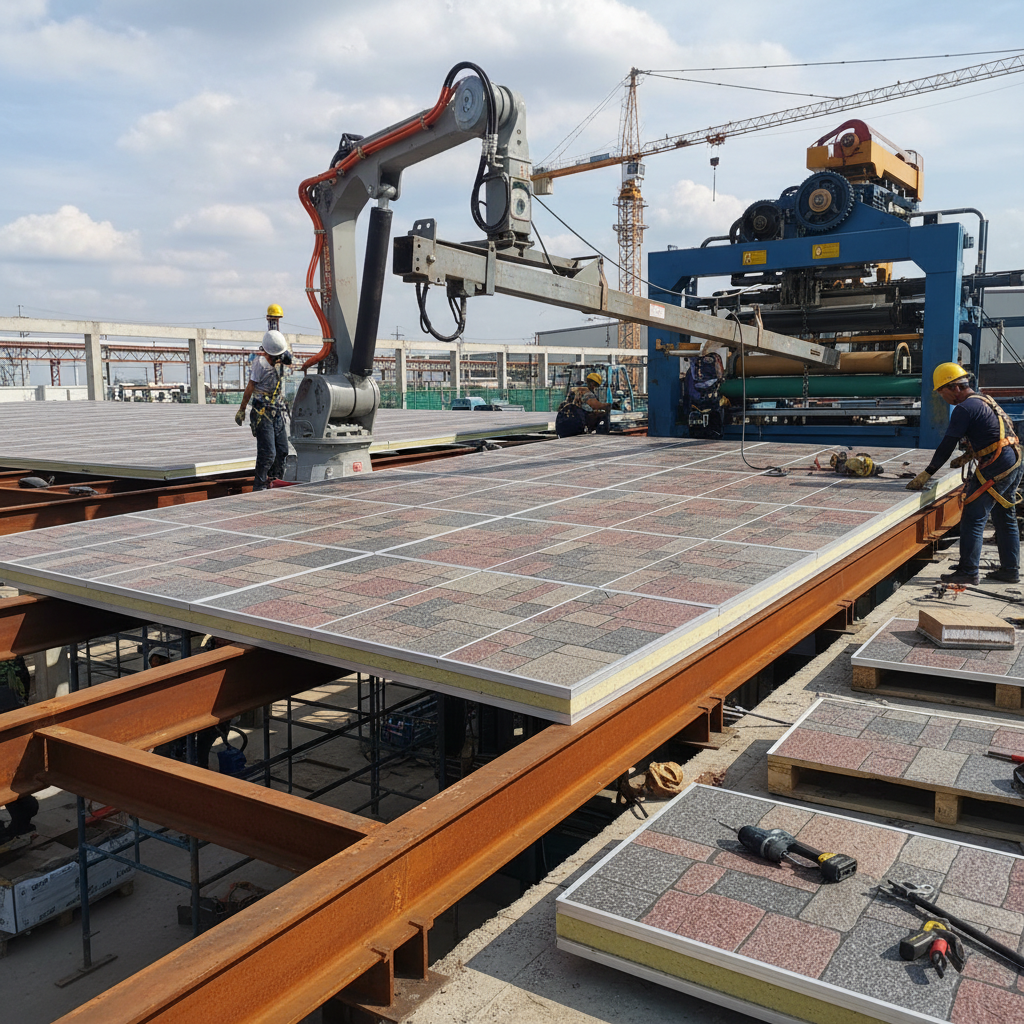
As we look ahead, the integration of these materials into modular and prefabricated housing will allow for faster deployment of durable, energy-efficient shelters in disaster-prone areas, ensuring that the most vulnerable populations have access to high-quality protection against the elements.
Analysis of Granule Properties in Mitigating Roofing Failure
| Property Dimension |
Standard Granules |
HIREFLE Granules |
Impact on Lifespan |
| Solar Reflectivity |
Low (15-25%) |
High (60-80%) |
Prevents Thermal Cracking |
| UV Opacity |
Moderate |
Superior |
Stops Bitumen Oxidation |
| Weathering Resistance |
Average |
Excellent |
Reduces Granule Loss |
| Dust Content |
High |
Extremely Low |
Improves Adhesion |
| Self-Cleaning Ability |
Poor |
Good |
Maintains Albedo |
| Energy Savings |
Baseline |
Significant Reduction |
Lowers Cooling Costs |
FAQS
Common signs include the presence of granules in the gutters (granule loss), curling edges, cracking, or bald spots on the shingle surface. These indicate that the protective mineral layer has failed, leaving the asphalt vulnerable to UV degradation and water penetration.
High solar reflectivity reduces the amount of heat absorbed by the roof. By keeping the surface cooler, the asphalt does not reach the extreme temperatures that cause it to become brittle and crack, thereby significantly slowing down the aging process and preventing premature damage.
Granules are integrated during the manufacturing process of the shingles. To benefit from these properties, you would typically install new shingles coated with HIREFLE or similar high-reflectivity ceramic granules during a roof replacement or major renovation.
UV rays act as a catalyst for the chemical breakdown of bitumen. High UV opacity means the granules block these rays from reaching the asphalt layer, preventing photo-oxidation and ensuring the shingles remain flexible and waterproof for a longer period.
Modern high-reflectivity granules can be engineered in various colors while still maintaining high albedo. This allows homeowners to achieve an aesthetic look without sacrificing the thermal and protective benefits of the reflective technology.
Depending on the climate and building insulation, cool roofs can reduce peak cooling demand by 10-15% and overall energy consumption by several percentage points, as they significantly lower the heat transfer into the attic space.
Conclusion
Addressing asphalt shingle damage requires a holistic approach that combines quality manufacturing with advanced material science. By focusing on high solar reflectivity, UV opacity, and superior weathering resistance—as seen in the HIREFLE granule series—we can drastically extend the lifespan of roofing systems and improve the energy efficiency of the built environment.
Looking forward, the shift toward sustainable, cool-roofing technologies is not merely a trend but a necessity for climate resilience. Property owners and builders are encouraged to prioritize materials that offer long-term durability and thermal protection to ensure safety, reduce costs, and contribute to a greener planet. Visit our website: www.coolroofmaterials.com