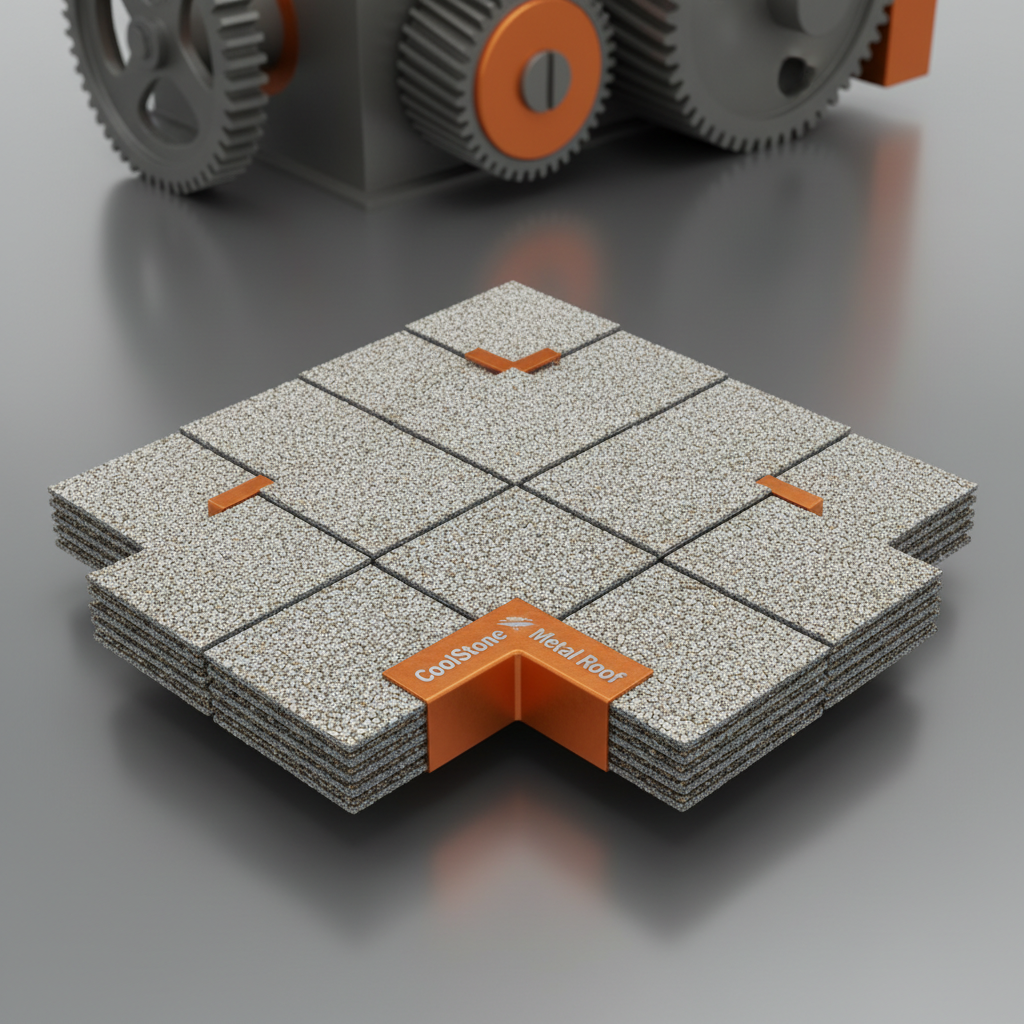
Selecting the right roofing material is a critical decision for any property owner, balancing aesthetic appeal with long-term structural resilience. Among the most sought-after styles, the warm tones of autumn brown architectural shingles provide a timeless look that blends seamlessly with natural landscapes, offering a sophisticated finish to residential and commercial buildings alike.
In today's construction market, the demand for materials that can withstand extreme weather while maintaining their visual integrity has never been higher. Homeowners are moving away from traditional clay or basic asphalt toward high-performance solutions that mimic the depth of natural stone but provide the strength of modern engineering.
For those seeking a premium alternative, autumn brown architectural shingles are often reimagined through stone coated metal roof tiles, combining the classic beauty of architectural shingles with an Al-Zn plate core for unmatched durability and fire resistance.
Global Relevance of Autumn Brown Architectural Shingles
Across the globe, the transition toward sustainable and resilient infrastructure is driven by increasing weather volatility. In regions prone to hurricanes or heavy snowfall, the visual appeal of autumn brown architectural shingles is now paired with the structural integrity of stone coated metal, ensuring that homes remain safe without sacrificing the "curb appeal" that defines luxury real estate.
Industry data suggests a growing shift toward materials that meet ISO standards for fire and wind resistance. By integrating high-corrosion resistant Al-Zn plates with natural stone particles, the industry has solved the age-old conflict between the heavy weight of traditional clay tiles and the fragility of basic shingles.
Defining the Modern Architecture Shingle Concept
When we discuss the concept of autumn brown architectural shingles in a modern context, we are referring to a multi-layered roofing solution. Unlike traditional flat shingles, these products utilize a three-dimensional design to create depth and shadow, mirroring the organic look of natural slate or wood shakes but utilizing high-tech composites for longevity.
At its core, the modern evolution of this style is the stone coated metal roof tile. This system uses a base of Al-Zn alloy for strength, a waterproof acrylic resin adhesive, and a surface layer of natural stone granules. This combination allows the roof to maintain the warm, earthy aesthetic of brown shingles while providing a lightweight, high-strength alternative.
This evolution addresses the humanitarian need for safer housing in disaster-prone areas. By reducing the weight of the roof compared to concrete or clay, the risk of structural collapse during earthquakes is significantly lowered, while the fire-resistant properties protect families in wildfire-prone zones.
Core Components of Stone Coated Metal Systems
The effectiveness of autumn brown architectural shingles implemented as stone coated metal tiles relies on its composite structure. The first layer is a high-corrosion resistant Al-Zn plate, which serves as the structural backbone, providing the necessary rigidity to withstand wind uplift and hail impact.
To ensure a permanent bond between the metal and the aesthetic surface, a high-quality waterproof acrylic resin is used as an adhesive. This resin prevents moisture from penetrating the core, effectively eliminating the risk of rust and ensuring that the autumn brown architectural shingles maintain their color vibrancy over decades.
The final layer consists of natural stone particles or inorganic color pigments. These materials provide the high weathering resistance and the deep, decorative texture associated with luxury roofing, making these stone coated versions a superior choice to standard autumn brown architectural shingles.
Practical Performance Factors and Efficiency
The primary advantage of upgrading to stone coated metal versions of autumn brown architectural shingles is the drastic improvement in durability. These tiles are specifically engineered to be hail-resistant, storm-resistant, and earthquake-resistant, offering a level of security that traditional asphalt shingles cannot match.
Furthermore, the installation process is significantly more cost-effective due to the lightweight nature of the materials. Because they can be applied to various structure types—including wood, steel, and concrete—they provide a versatile solution for both new constructions and original building renovations.
Performance Comparison of Autumn Brown Architectural Shingles Variants
Global Applications and Regional Use Cases
In North America and Europe, where autumn brown architectural shingles are a staple of suburban design, the shift toward stone coated metal is accelerating. This is particularly evident in mountainous regions where heavy snow loads require a roof that is both lightweight and strong enough to prevent structural deformation.
In developing regions and post-disaster relief operations, these materials are invaluable. Their easy installation and extreme resistance to wind and fire make them the ideal choice for rapidly reconstructing safe, dignified housing that can withstand future environmental shocks.
Long-Term Value and Sustainability Benefits
The long-term value of investing in stone coated metal versions of autumn brown architectural shingles lies in the reduction of lifecycle costs. While the initial investment may be higher than basic asphalt, the lack of need for frequent replacements and the high resistance to weathering ensure a much lower total cost of ownership.
From a sustainability perspective, these products are environment-friendly. They utilize high-tech processes to reduce waste and are often fully recyclable at the end of their long lifespan. This aligns with global green building certifications and the move toward circular economies in the construction sector.
Moreover, the psychological benefit of "peace of mind" cannot be overlooked. Knowing that a home is protected by a fire-resistant and storm-resistant barrier provides homeowners with a sense of security and trust in their investment, enhancing the overall quality of life.
Future Trends in Roofing Material Innovation
The future of autumn brown architectural shingles is closely tied to the integration of "cool roof" technology. We are seeing the rise of high-reflective ceramic granules that can be applied to metal tiles, reducing heat absorption and lowering energy costs for air conditioning, which is critical as global temperatures rise.
Digital transformation is also playing a role, with BIM (Building Information Modeling) allowing architects to precisely simulate how these tiles will perform under specific local climate stresses before a single tile is laid. This ensures optimal installation and maximizes the lifespan of the material.
As automation in manufacturing improves, the ability to customize the stone coating process will allow for even more realistic natural textures. The goal is to create a product that is indistinguishable from natural stone but possesses the indestructible qualities of aerospace-grade alloys.
Technical Comparison of Roofing Material Specifications
| Material Type |
Durability Score (1-10) |
Installation Speed |
Eco-Friendliness |
| Traditional Asphalt |
5 |
Fast |
Low |
| Clay/Concrete Tile |
8 |
Slow |
Medium |
| Standard Metal |
7 |
Medium |
High |
| Stone Coated Metal |
10 |
Fast |
Very High |
| Natural Slate |
9 |
Very Slow |
High |
| Polymer Composite |
6 |
Fast |
Medium |
FAQS
Yes, stone coated metal roof tiles are highly fire-resistant. Unlike traditional asphalt shingles which can ignite or melt, the Al-Zn plate and inorganic stone granules do not support combustion, making them a superior choice for high-risk fire zones.
They are specifically engineered to be wind-resistant and storm-resistant. The interlocking design of the metal tiles, combined with the strength of the Al-Zn core, ensures that they remain securely attached even during severe weather events.
In many cases, yes. Stone coated metal roof tiles are suitable for original buildings and can be applied to various sloping roof structures, including wood, steel, and concrete, making them ideal for renovation projects.
Unlike painted metal, the color is derived from natural stone particles and inorganic pigments. This means the color is integrated into the material and is highly resistant to UV weathering, ensuring the deep brown tone lasts for decades.
While material costs may be higher, the installation is often faster and requires less structural reinforcement due to the lightweight nature of the metal tiles, making the overall project more cost-effective in the long run.
Yes, they are considered environment-friendly high-tech products. They use recyclable metal cores and natural stone surfaces, reducing the environmental footprint compared to petroleum-based asphalt products.
Conclusion
In summary, the evolution of autumn brown architectural shingles into stone coated metal roof tiles represents a perfect synergy of aesthetics and engineering. By combining the visual warmth of natural stone with the industrial strength of Al-Zn plates, these systems provide a comprehensive solution to the modern challenges of fire, wind, and seismic activity.
As we look toward a future of sustainable urban development, choosing materials that offer lifelong durability and energy efficiency is no longer optional—it is essential. We encourage homeowners and developers to embrace these high-tech roofing innovations to ensure safety, beauty, and lasting value for their properties. Visit our website: www.coolroofmaterials.com