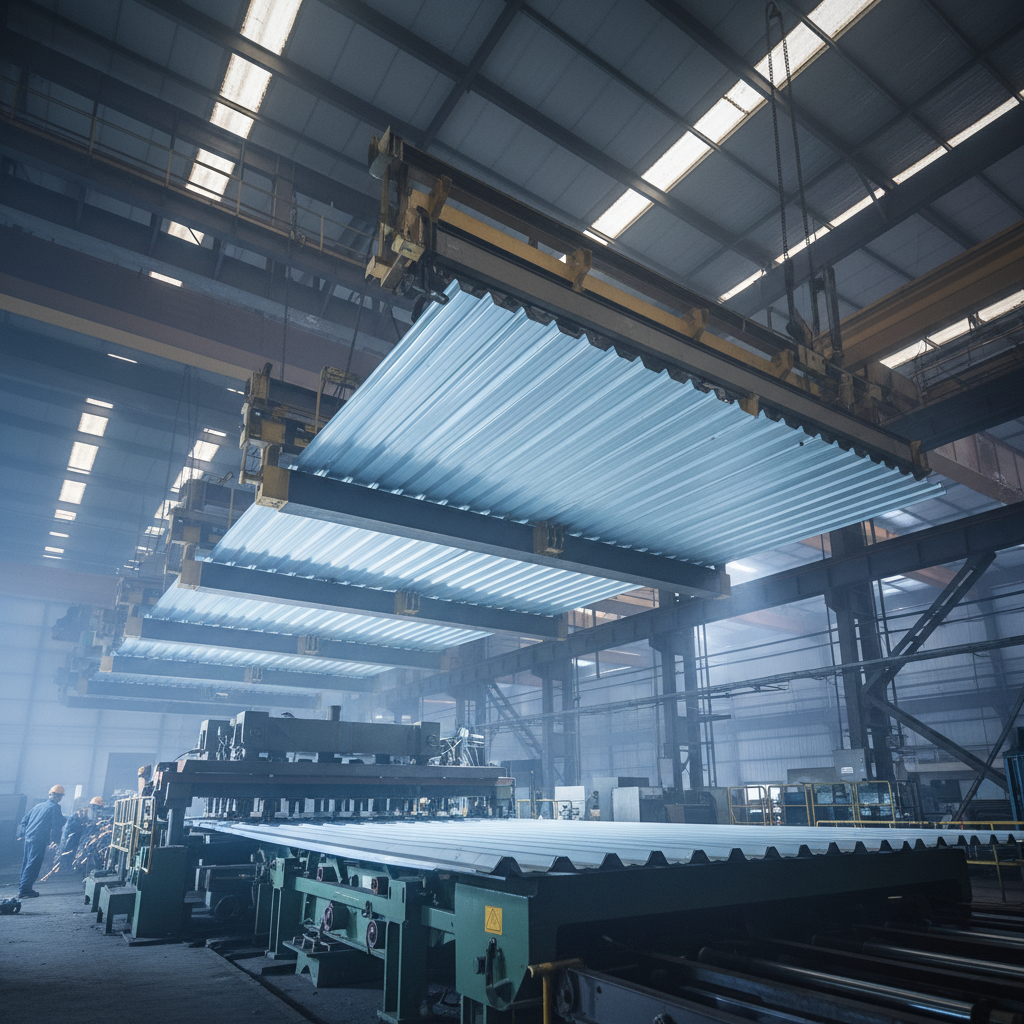
The selection of a roofing system is one of the most critical decisions in architectural design, balancing aesthetic appeal with long-term structural integrity. Among the most revered styles, terracotta double roman roof tiles have long been synonymous with Mediterranean elegance and timeless durability. These tiles provide a distinct undulating profile that not only enhances the visual character of a building but also facilitates efficient water runoff, making them a staple in both luxury residential and commercial projects globally.
In the modern construction landscape, the demand for materials that combine traditional looks with advanced performance has led to an evolution in roofing technology. While the classic clay appearance remains highly sought after, homeowners and developers are increasingly looking for solutions that reduce weight and installation complexity without sacrificing the iconic silhouette of terracotta double roman roof tiles. This shift is driving the adoption of high-performance alternatives that mimic the depth and color of traditional kiln-fired clay.
Today, the industry is seeing a surge in the use of stone coated metal roof tiles as a superior alternative to traditional terracotta double roman roof tiles. By combining the strength of steel with the aesthetic finish of ceramic granules, these modern systems offer an unmatched blend of fire resistance, lightweight stability, and a visually stunning finish that satisfies the most rigorous architectural standards.
The Architectural Appeal of Terracotta Double Roman Roof Tiles
The visual allure of terracotta double roman roof tiles lies in their rhythmic, curved geometry, which creates a sophisticated play of light and shadow across the roofline. This specific profile is not merely decorative; it is engineered to handle heavy precipitation by channeling water away from the structure more effectively than flat alternatives. For architects, this style represents a bridge between classical European heritage and contemporary luxury, providing a roof that looks substantial and permanent.
When implemented using stone coated metal technology, this aesthetic is preserved while adding a layer of versatility. These modern versions can be freely cut to fit complex geometric shapes, ensuring that the elegant curves of the double roman style can be applied to steep gables, dormers, and intricate roof valleys without the fragility associated with traditional clay.
Material Durability and Environmental Resistance
One of the primary challenges for any roofing material is withstanding the relentless assault of the elements. Traditional terracotta double roman roof tiles are praised for their longevity, but they can be susceptible to cracking during extreme freeze-thaw cycles or under heavy impact. In contrast, stone coated metal alternatives leverage a high-strength steel core that provides an impenetrable barrier against physical damage while maintaining the same classic look.
Environmental resistance is further enhanced through advanced chemical properties. Modern roofing solutions are engineered for acid and alkali resistance, ensuring that the tiles do not degrade when exposed to industrial pollutants or salty coastal air. This makes them an ideal choice for diverse climates, from the humid tropics to the harsh winters of northern latitudes, where traditional materials might erode or discolor over time.
Furthermore, fireproofing is a non-negotiable requirement for safety in modern construction. By utilizing non-combustible metal bases and ceramic granule coatings, these systems achieve a high fire rating. This ensures that the roof acts as a protective shield for the home, providing peace of mind to homeowners and meeting the strict building codes required for insurance and safety certifications.
Comparative Analysis of Weight and Stability
The sheer weight of traditional terracotta double roman roof tiles can place an immense load-bearing pressure on a building's structural frame. This often necessitates the installation of reinforced trusses and heavier support beams, which increases the overall cost and complexity of the construction process. In many renovation projects, the existing structure simply cannot support the weight of authentic clay tiles.
By switching to stone coated metal versions of terracotta double roman roof tiles, builders can significantly reduce the roof's total weight. This lightweight nature reduces structural stress and increases the overall stability of the building, especially in seismic zones where a heavy roof can increase the risk of collapse during an earthquake.
Beyond structural stability, the lightweight property translates directly into logistical advantages. Transportation and storage become far more convenient, and the construction phase is accelerated because fewer heavy-lifting machines are required. This synergy of low weight and high strength ensures that the beauty of the double roman style is accessible to a wider range of architectural projects.
Cost-Effectiveness and Installation Efficiency
When evaluating the total cost of ownership, the efficiency of installation plays a pivotal role. Traditional terracotta double roman roof tiles require meticulous placement and a high level of specialized labor, which often leads to prolonged project timelines and higher wages. The process is slow, and the risk of breakage during installation adds to the material waste and overall expense.
Modern stone coated metal systems are designed for rapid deployment. Their interlocking mechanisms and lightweight profiles allow for a faster, more intuitive installation process. Because they are easy to operate and cut, they reduce the amount of skilled labor hours required, making them a highly cost-effective solution for both residential homeowners and large-scale commercial developers.
Performance Comparison: Terracotta Double Roman Roof Tiles Alternatives
Global Applications for Sloping Roofs
The versatility of the double roman profile makes it suitable for virtually all sloping roof designs. From the steep pitches found in alpine regions to the gentle slopes of Mediterranean villas, the adaptability of stone coated metal versions allows for a seamless fit. In remote industrial zones, where transporting heavy clay tiles is logistically impossible, these lightweight alternatives provide the necessary protection and aesthetic appeal.
In post-disaster relief operations or rapid urbanization projects, the need for durable, waterproof, and quickly installable roofing is paramount. The ability to combine the timeless look of terracotta double roman roof tiles with the speed of metal installation makes this a preferred choice for NGOs and governments building sustainable housing in challenging environments.
Innovations in Protective Coatings and Colors
The evolution of roofing technology has moved beyond simple clay colors. Modern stone coated systems offer a rich palette of hues that replicate the natural variation found in kiln-fired terracotta double roman roof tiles. These colors are achieved through a process of bonding high-quality ceramic granules to the metal base, ensuring that the shade remains vibrant and resistant to UV fading for decades.
One of the most significant innovations is the integration of high-reflective granules for "cool roofs." By reflecting a larger portion of solar radiation, these tiles help reduce the internal temperature of the building, lowering air conditioning costs and combating the urban heat island effect. This marriage of classical style and environmental science represents the future of sustainable roofing.
Furthermore, the anti-aging properties of these coatings prevent the growth of moss, algae, and lichen, which often plague traditional clay tiles in damp climates. This ensures that the architectural integrity and cleanliness of the roof are maintained with minimal chemical intervention, supporting a more eco-friendly approach to building maintenance.
Long-Term Value and Maintenance Requirements
Investing in high-quality roofing is about maximizing the lifecycle value of the property. While traditional terracotta double roman roof tiles are long-lasting, their maintenance can be intensive, often requiring the replacement of individual broken tiles which can lead to leaks if not handled promptly. Metal-based alternatives eliminate the risk of cracking, significantly reducing the frequency of repairs.
The waterproof and windproof nature of modern stone coated tiles ensures that the building envelope remains sealed even during severe weather events. This reliability protects the interior structure from water damage and mold, which are common issues with aging clay roofs. The long-term result is a reduction in insurance premiums and an increase in the overall resale value of the home.
Ultimately, the transition to advanced materials allows homeowners to enjoy the dignity and prestige of a classic Roman roof without the associated burdens of weight and fragility. By prioritizing materials that are acid-resistant, fireproof, and easy to maintain, property owners ensure a sustainable legacy for their architectural investments.
Comparative Analysis of Terracotta Double Roman Roof Tiles Materials
| Material Type |
Weight Impact |
Installation Speed |
Durability Score |
| Traditional Clay |
Very High |
Slow |
7/10 |
| Stone Coated Metal |
Very Low |
Fast |
10/10 |
| Concrete Tile |
High |
Medium |
8/10 |
| Asphalt Shingles |
Low |
Fast |
6/10 |
| Ceramic Glazed |
High |
Slow |
9/10 |
| Composite Polymer |
Medium |
Medium |
7/10 |
FAQS
Yes, especially when using stone coated metal versions. These are engineered to be waterproof, windproof, and resistant to both acid and alkali, making them ideal for coastal areas, industrial zones, and regions with extreme temperature fluctuations where traditional clay might crack or erode.
Stone coated metal tiles are significantly lighter than traditional clay tiles. This reduces the load-bearing pressure on the roof structure, increasing stability and often eliminating the need for expensive structural reinforcements during installation or renovation.
Absolutely. While traditional clay is fragile and hard to cut, the metal-based versions can be freely cut and shaped. This makes them perfect for slope roofs with complex geometric shapes, dormers, and steep valleys without compromising the aesthetic.
Yes, stone coated metal roof tiles are inherently fireproof. The combination of a steel base and ceramic granules provides a high level of fire resistance, ensuring the safety of the structure and compliance with modern building and insurance codes.
Unlike some painted metal roofs, stone coated tiles use ceramic granules that are highly resistant to UV radiation. This ensures that the rich terracotta colors remain vibrant for decades, providing a long-term aesthetic that mimics naturally aged clay.
While the initial material cost may be higher than basic asphalt shingles, they are far more cost-effective in the long run. Their extreme durability, lower maintenance requirements, and increased property value offer a much higher return on investment.
Conclusion
The enduring appeal of terracotta double roman roof tiles proves that classical beauty never goes out of style. By evolving these designs into stone coated metal systems, the industry has successfully combined the timeless aesthetic of the Mediterranean with the rigorous demands of modern engineering. From their lightweight nature and ease of installation to their superior fire and weather resistance, these materials provide a comprehensive solution for any sloping roof.
For architects and homeowners alike, the choice is clear: upgrading to high-performance roofing not only enhances the visual prestige of a building but also ensures structural longevity and sustainability. We encourage you to explore the perfect balance of form and function for your next project. Visit our website: www.coolroofmaterials.com