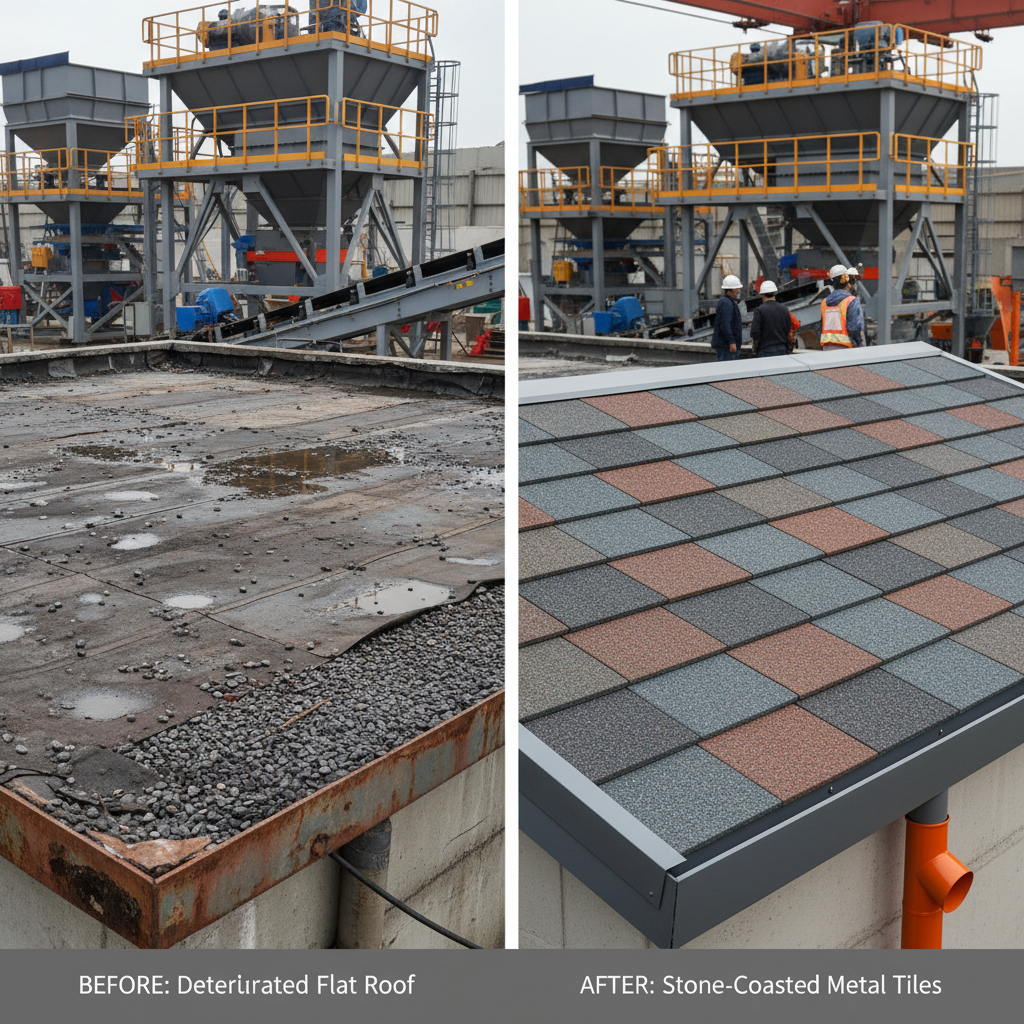
The evolution of modern architectural surfacing has led to a renewed interest in classical aesthetics blended with industrial resilience. Among these innovations, the concept of the roman wall tile has emerged as a significant trend, offering a sophisticated visual language that bridges the gap between ancient grandeur and contemporary functional requirements. By integrating timeless design with advanced material science, these surfacing solutions provide an unmatched combination of beauty and structural integrity.
In the global construction market, the demand for materials that offer both longevity and aesthetic versatility is at an all-time high. Whether utilized in residential luxury villas or commercial heritage sites, the implementation of a roman wall tile system ensures that a building maintains its prestige while resisting the wear and tear of environmental stressors. This shift toward high-performance decorative materials reflects a broader industry move toward sustainable yet opulent building envelopes.
When considering the technical superiority of these materials, one must look at the synergy between form and function. By choosing a high-quality roman wall tile, architects can achieve a seamless look that is not only waterproof and fireproof but also cost-effective over the building's lifecycle, ensuring that the structure remains protected against acid and alkali erosion.
Global Relevance of Roman Wall Tile Systems
On a global scale, the construction industry is grappling with the challenge of urbanization and the need for materials that can withstand diverse climatic conditions. The adoption of the roman wall tile approach is particularly prevalent in regions where extreme weather patterns—ranging from intense acid rain to high humidity—threaten the structural integrity of traditional facades. By leveraging non-metallic mineral products and advanced coatings, these systems provide a critical shield for modern infrastructure.
Statistically, the transition toward lightweight yet durable cladding has reduced the overall carbon footprint of new builds by decreasing the load-bearing requirements of the primary structure. This global shift is supported by ISO standards for building materials, emphasizing the need for acid/alkali resistance and fireproofing. Consequently, the integration of these sophisticated tiling solutions has become a benchmark for high-quality architectural projects worldwide.
Defining the Modern Roman Wall Tile
In simple technical terms, a roman wall tile refers to a surfacing element that combines the classical aesthetic of Roman masonry with the high-performance capabilities of modern manufacturing. Unlike ancient clay bricks, contemporary versions often utilize stone-coated metal or reinforced mineral composites, ensuring they are lightweight, waterproof, and exceptionally durable. This evolution allows architects to maintain a traditional "old-world" look while benefiting from 21st-century engineering.
The connection between these tiles and modern humanitarian or industrial needs lies in their ease of installation and versatility. In areas where rapid reconstruction is required—such as post-disaster zones or fast-growing industrial hubs—the ability to quickly deploy a fireproof and waterproof exterior is invaluable. The modular nature of these tiles ensures that complex geometric shapes on sloping roofs or curved walls can be covered without compromising the seal.
Furthermore, the modern iteration focuses heavily on environmental adaptability. By utilizing materials that are resistant to aging and chemical erosion, the roman wall tile serves as more than just a decorative element; it is a protective membrane. This ensures that the building's core remains dry and stable, significantly extending the lifespan of the property and reducing the frequency of costly renovations.
Core Technical Components and Durability
The primary strength of a roman wall tile system lies in its multi-layered composition. The base layer typically consists of a high-strength substrate—often galvanized steel or a specialized mineral composite—which provides the necessary structural rigidity and windproofing. This core is then coated with specialized granules or mineral layers that provide the characteristic texture and color, ensuring the surface is not only visually appealing but also resistant to mechanical impact.
Durability is further enhanced through advanced chemical treatments. A premium roman wall tile is engineered to be acid and alkali resistant, making it ideal for industrial zones where atmospheric pollutants are common. This prevents the "chalking" or fading often seen in traditional paints or low-grade ceramics, maintaining the vividness of the colors and the integrity of the waterproof seal for decades.
Finally, the integration of fireproof properties is a non-negotiable component of the design. By using non-combustible mineral coatings, the roman wall tile prevents the spread of flames across the building's exterior. This safety feature, combined with a soft texture that allows for free cutting and precise fitting, makes it a superior choice for complex rooflines and wall structures where traditional heavy stone would be impractical.
Performance Metrics and Cost Efficiency
When evaluating the financial viability of building materials, the initial purchase price is only one part of the equation. The roman wall tile offers a high ROI because it drastically reduces long-term maintenance costs. Because the materials are anti-aging and waterproof, the need for periodic resealing or painting is virtually eliminated, saving property owners thousands of dollars in operational expenses over the life of the structure.
Moreover, the lightweight nature of these tiles reduces the load-bearing pressure on the roof and walls. This allows for a more streamlined structural design, potentially reducing the amount of steel or concrete required for the building's foundation. This systemic efficiency, coupled with easy installation and convenient transportation, makes the overall project more cost-effective than using traditional heavy clay or stone tiles.
Performance Analysis of Roman Wall Tile Variants
Real-World Applications and Use Cases
In practice, the versatility of the roman wall tile allows it to be deployed across a wide spectrum of architectural styles. In luxury residential projects, it is frequently used on sloping roofs to mimic the look of traditional Mediterranean villas while providing the security of a metal-based waterproof system. The ability to cut the material freely allows it to fit perfectly around chimneys, dormers, and complex eaves without creating leaks.
Beyond residential use, these materials are critical in remote industrial zones where traditional logistics make transporting heavy stone tiles impossible. Because they are lightweight and easy to store, they can be shipped in bulk and installed quickly by small teams. This is particularly useful for industrial warehouses or office complexes that require a professional, high-end exterior but must adhere to strict construction timelines and budget constraints.
Long-Term Value and Sustainability
The long-term value of installing a roman wall tile system extends beyond mere aesthetics to include significant environmental and social benefits. By utilizing materials that are resistant to aging and weather-related degradation, the lifecycle of the building is extended, reducing the need for replacement materials and the associated waste that ends up in landfills. This contributes to a more sustainable approach to urban development.
From a psychological perspective, the use of high-quality surfacing enhances the dignity and perceived value of a structure. Whether it is a community center or a private residence, a well-maintained, colorful, and durable exterior fosters a sense of permanence and trust. The combination of safety (fireproofing) and reliability (waterproofing) provides peace of mind to occupants, knowing their shelter is engineered to the highest industrial standards.
Additionally, the cost-effectiveness of the installation process means that high-quality protection is accessible to a wider range of projects. By lowering the barrier to entry for "premium" materials, the industry can ensure that more buildings are protected against the elements, reducing the risk of structural failure during extreme weather events and promoting overall urban resilience.
Future Innovations in Surfacing Technology
The future of the roman wall tile is inextricably linked to the rise of "smart" materials and green energy. We are seeing a shift toward high-reflective ceramic granules, such as HIREFLE technology, which are integrated into the tile surface to reflect solar radiation. This reduces the "urban heat island" effect and lowers cooling costs for the building, transforming a decorative tile into an active energy-saving tool.
Digital transformation is also playing a role in how these tiles are applied. With the advent of BIM (Building Information Modeling) and precision CNC cutting, the installation of tiles on complex geometric shapes is becoming more automated and accurate. This reduces material waste during the construction phase and ensures a tighter, more waterproof fit, further enhancing the system's lifespan.
As global policies tighten around carbon emissions, the move toward lightweight, recyclable composites will accelerate. The next generation of tiles will likely incorporate bio-based resins and recycled mineral content without sacrificing the acid/alkali resistance that makes the current systems so effective. This evolution ensures that the timeless look of the Roman style remains compatible with a net-zero future.
Technical Comparison of Roman Wall Tile Material Innovations
| Material Type |
Durability Score (1-10) |
Installation Speed |
Eco-Friendliness |
| Traditional Clay |
6 |
Slow |
Medium |
| Stone Coated Metal |
9 |
Fast |
High |
| High-Reflective Ceramic |
8 |
Moderate |
Very High |
| Mineral Composite |
8 |
Fast |
Medium |
| Asphalt-Based Tile |
7 |
Very Fast |
Low |
| Advanced Hybrid |
10 |
Moderate |
High |
FAQS
Unlike traditional ceramic tiles, which can be heavy and prone to cracking under thermal expansion, the modern roman wall tile often uses a stone-coated metal or mineral composite core. This makes them significantly lighter, easier to install on sloping surfaces, and more resistant to impact and extreme weather, while maintaining the same classic aesthetic.
Yes. These tiles are engineered with non-combustible mineral coatings and high-density substrates that prevent water penetration. Their design ensures that moisture is shed efficiently from the roof or wall, while the materials used are rated to resist fire spread, providing a critical safety layer for the building.
Absolutely. One of the key advantages of these materials is their flexibility. They can be freely cut to fit complex geometric shapes, making them ideal for slope roofs with intricate designs. This versatility ensures a tight seal even in the most challenging architectural corners.
The tiles are specifically treated for acid and alkali resistance. This chemical stability prevents corrosion and fading in industrial areas with high pollution or coastal regions with salty air, ensuring the color and structural integrity remain intact over many years.
While the material cost may vary, the overall project cost is often lower. Because they are lightweight and easy to operate, installation is faster and requires less heavy machinery. Furthermore, the reduction in structural load-bearing requirements can lead to savings in the building's primary framework.
Thanks to their anti-aging properties and resistance to environmental stressors, these tiles can last for several decades. With minimal maintenance required compared to traditional paint or clay, they provide a long-term, low-cost solution for building protection.
Conclusion
The adoption of a roman wall tile system represents a strategic convergence of classical beauty and industrial performance. By prioritizing features such as waterproof integrity, fireproofing, and acid/alkali resistance, these materials solve the most pressing challenges of modern facade and roofing design. The ability to combine lightweight construction with a prestigious aesthetic ensures that buildings are not only safe and durable but also visually timeless.
As we look toward the future of sustainable architecture, the integration of high-reflective materials and eco-friendly composites will only increase the value of these systems. For developers and homeowners seeking a balance between luxury and longevity, investing in high-performance surfacing is the most reliable path forward. To explore our full range of durable roofing and wall solutions, visit our website: www.coolroofmaterials.com