Choosing the right roofing material is a critical decision for any architectural project, balancing aesthetic appeal with long-term structural resilience. For centuries, the pursuit of durable and thermally efficient surfaces has led to the widespread use of high-quality materials that can withstand the elements while maintaining their visual integrity.
In the modern era, the focus has shifted toward enhancing the energy efficiency of these surfaces. By integrating advanced materials and high-reflectivity granules, the industry is finding new ways to reduce heat absorption, which directly impacts the internal temperature of buildings and lowers overall energy costs.
While traditional options like natural clay roof tiles remain popular for their classic look, the integration of HIREFLE granules provides a technological leap, offering superior solar reflectivity and UV opacity to protect the building envelope.
Global Relevance of Thermal Roofing
On a global scale, the phenomenon of the Urban Heat Island (UHI) effect has made the selection of roofing materials a matter of public health and environmental urgency. As cities grow and traditional absorbent surfaces increase, the temperature of urban areas rises significantly compared to their rural surroundings. This creates a feedback loop that increases the demand for air conditioning, leading to higher carbon emissions and energy grid strain.
To combat this, there is a growing shift toward materials that mimic the thermal properties of natural clay roof tiles but with enhanced scientific properties. By utilizing high solar reflectivity, modern roofing solutions can reflect a significant portion of sunlight away from the building, effectively cooling the structure and the surrounding atmosphere.
Defining High-Efficiency Roofing Solutions
High-efficiency roofing refers to a system designed to minimize heat gain within a building while maximizing the lifespan of the roof's protective layer. Unlike standard materials that absorb UV radiation and heat, these systems employ specialized granules and coatings that act as a thermal shield.
In the context of non-metallic mineral products, the goal is to achieve a balance between the organic aesthetic of traditional materials and the technical precision of modern engineering. This involves controlling the size distribution of granules to ensure an even, seamless layer of protection across the entire roof surface.
By reducing the "heat flux" into the building, these solutions address the humanitarian need for affordable cooling in hot climates. Whether applied to industrial warehouses or residential homes, the transition from basic coverage to active thermal management is essential for sustainable development.
Core Components of HIREFLE Granules
The effectiveness of a cool roof depends on the chemical and physical properties of its surface layer. HIREFLE granules are engineered to provide high solar reflectivity, which prevents the surface from overheating, a feature often sought after in the design of natural clay roof tiles.
Beyond reflectivity, high UV opacity is critical. UV rays can degrade the underlying bitumen or adhesive layers of a roof; HIREFLE granules block these rays, ensuring that the structural integrity of the roofing system remains intact over decades of exposure. This is combined with superior staining and weathering resistance to keep the roof looking new.
Practical application is further improved through precise size distribution control and extremely low dust levels. This ensures that during installation, the granules adhere perfectly, providing a uniform protective skin that is low in density and low in consumption, making it an economically viable choice for large-scale projects.
Performance Metrics in Modern Roofing
Evaluating the performance of roofing materials requires a look at both immediate thermal impact and long-term durability. When comparing advanced granules to traditional natural clay roof tiles, the primary metrics are the Solar Reflectance Index (SRI) and the rate of UV degradation.
The following data represents a comparative performance analysis of various surface treatments used in the industry, focusing on their ability to keep building surfaces cool and resist environmental wear.
Comparison of Thermal Performance Ratings
Global Applications and Use Cases
In high-temperature regions such as the Middle East, Southeast Asia, and the Southwestern United States, the application of high-reflectivity granules is transforming urban planning. Industrial zones, which often feature vast flat roofs, are the primary beneficiaries, as reducing the surface temperature of a warehouse can lead to a double-digit percentage decrease in cooling costs.
Furthermore, in luxury residential architecture, there is a trend toward blending the look of natural clay roof tiles with the performance of HIREFLE technology. This allows homeowners to maintain a traditional European or Mediterranean aesthetic while benefiting from a modern, "cool roof" that protects the interior from extreme heat.
Long-Term Value and Sustainability
The long-term value of investing in high-performance roofing extends beyond simple energy savings. By providing superior weathering resistance and self-cleaning performance, HIREFLE granules reduce the frequency of roof replacements and maintenance cycles. This creates a sustainable lifecycle for the building, reducing the amount of construction waste sent to landfills.
From an emotional and psychological perspective, a cool roof provides a sense of security and comfort. Knowing that a home is protected against the harshest UV rays and that the internal environment remains stable regardless of the external heat increases the dignity and quality of life for the occupants.
Moreover, the low density and low consumption of these materials mean that the carbon footprint associated with transporting and applying the granules is significantly lower than that of traditional heavy mineral aggregates.
Future Innovations in Cool Roof Technology
The future of the industry lies in the intersection of material science and digitalization. We are seeing a move toward "smart" granules that can adapt their reflectivity based on the season—reflecting heat in the summer while allowing some absorption in the winter to save on heating costs.
Automation in the production of mineral products is also playing a key role. Precise size distribution control is becoming even more rigorous, ensuring that every single granule contributes to a perfect seal, further mimicking the natural overlap and protection found in premium natural clay roof tiles.
As green building certifications like LEED and BREEAM become the global standard, the demand for verified high-SRI (Solar Reflectance Index) materials will only grow, driving further innovation in UV opacity and self-cleaning chemistry.
Technical Analysis of HIREFLE Performance Factors
| Performance Factor |
Impact on Building |
Durability Score |
Sustainability Rank |
| Solar Reflectivity |
Lower Surface Temp |
9/10 |
High |
| UV Opacity |
Prevents Material Decay |
10/10 |
High |
| Weathering Resistance |
Extends Roof Lifespan |
8/10 |
Medium |
| Self-Cleaning Ability |
Reduces Maintenance |
7/10 |
High |
| Size Distribution |
Uniform Coverage |
9/10 |
Medium |
| Low Density |
Lower Structural Load |
8/10 |
High |
FAQS
While natural clay roof tiles have inherent thermal mass that helps regulate temperature, HIREFLE granules focus on solar reflectivity. By reflecting a larger percentage of the sun's rays, HIREFLE can keep the actual surface of the roof significantly cooler, which reduces the amount of heat that ever enters the building structure.
UV opacity is essential because ultraviolet radiation breaks down the chemical bonds in roofing adhesives and bitumen. By blocking these rays, HIREFLE granules act as a sunscreen for the roof, preventing cracking and peeling, thereby extending the overall lifespan of the roofing system by several years.
Actually, the opposite is true. Because HIREFLE granules feature good self-cleaning performance and superior weathering resistance, they are less prone to accumulation of grime and biological growth. This reduces the need for chemical cleaning and manual scrubbing compared to standard materials.
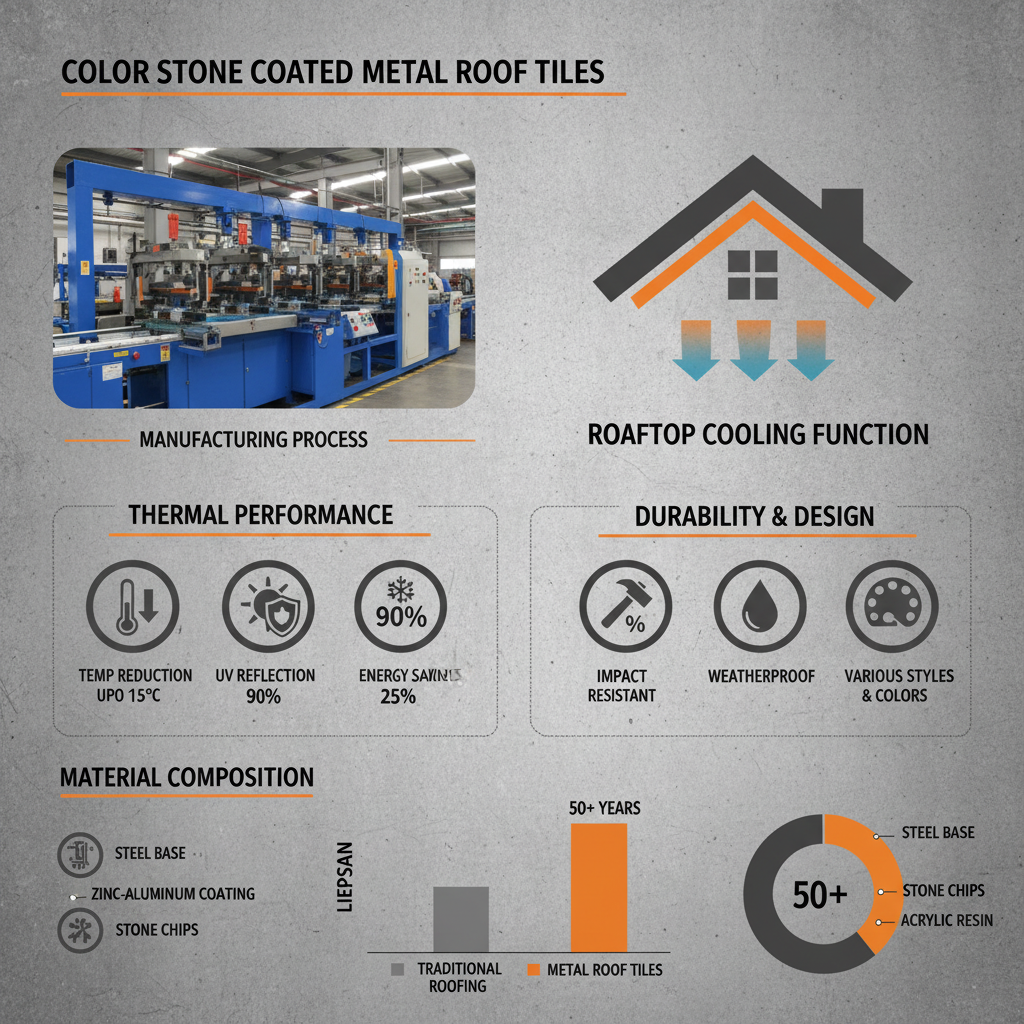
Yes, they are highly versatile. They are particularly effective when used in asphalt shingles and stone-coated metal roof tiles. Their precise size distribution makes them compatible with various bonding agents, ensuring a secure fit on both residential and industrial roof slopes.
Low density means that less raw material is required to cover the same surface area. This reduces the total weight of the roof, which can lower the requirements for structural support beams and reduce the carbon emissions associated with the transport of heavy materials to the construction site.
Thanks to superior staining resistance and high UV opacity, HIREFLE granules are designed to maintain their original hue much longer than traditional coatings. They resist the fading effects of the sun, ensuring the aesthetic remains consistent with the original design.
Conclusion
Integrating advanced thermal materials like HIREFLE granules into roofing systems represents a significant evolution in building science. By focusing on solar reflectivity, UV opacity, and weathering resistance, these solutions bridge the gap between the timeless appeal of natural clay roof tiles and the rigorous energy demands of the 21st century. The result is a roofing system that not only protects the structure but actively contributes to a cooler, more sustainable environment.
Looking forward, the adoption of these technologies will be pivotal in combating the urban heat island effect and reducing global energy consumption. We recommend that architects and developers prioritize high-SRI materials to ensure long-term operational efficiency and environmental stewardship. Visit our website to learn more: www.coolroofmaterials.com