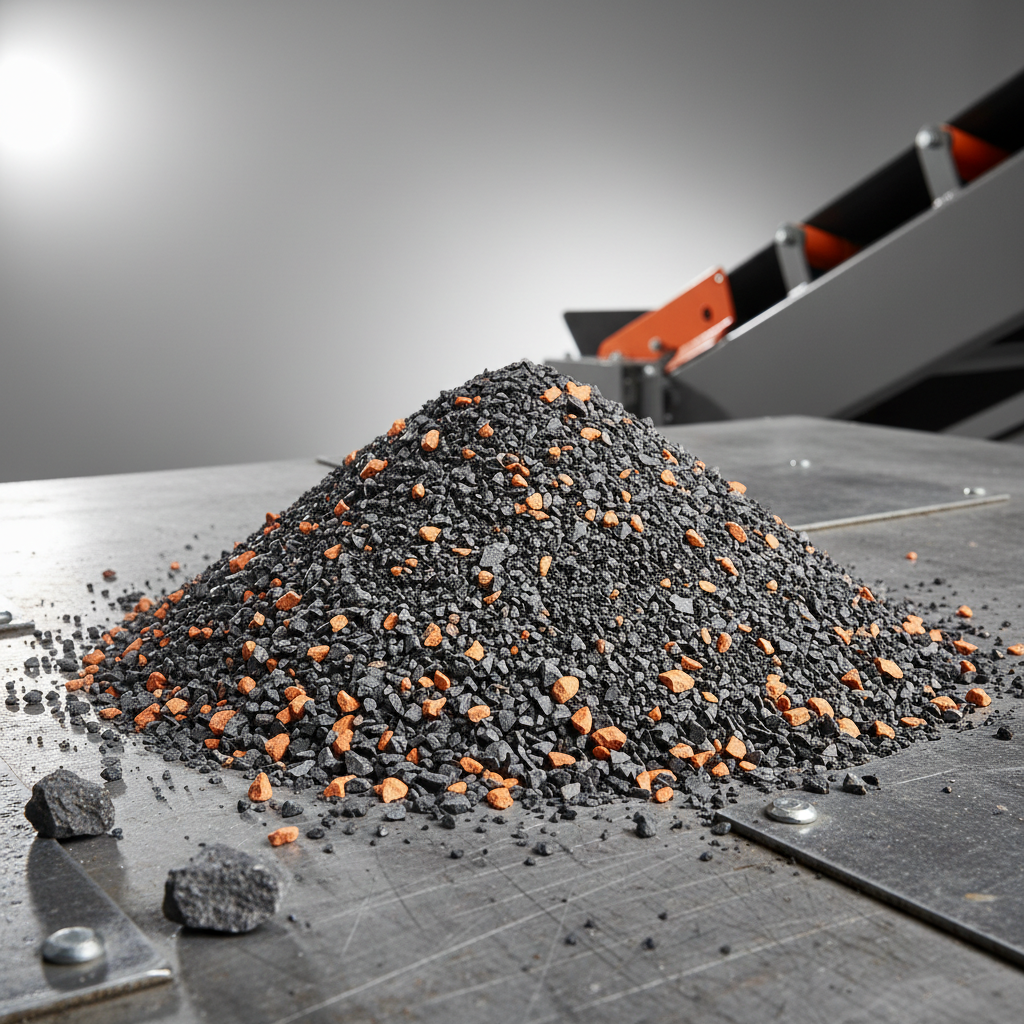
The architectural appeal of a black barrel tile roof has long been associated with timeless Mediterranean and Spanish Colonial styles, offering a bold aesthetic that commands attention. However, the dark pigmentation of these traditional surfaces often presents a significant thermal challenge, as dark colors naturally absorb more solar radiation, leading to increased attic temperatures and higher cooling costs.
In the modern construction landscape, the industry is shifting toward "cool roof" technologies to mitigate the urban heat island effect and improve energy efficiency. Integrating high-performance ceramic granules onto a black barrel tile roof allows architects to maintain the desired dark aesthetic while significantly enhancing the building's thermal performance through advanced reflectivity.
By utilizing specialized materials like black barrel tile roof granules, developers can now achieve a balance between luxury design and sustainable engineering, ensuring that the building remains cool without sacrificing its visual identity.
Global Context of Black Barrel Tile Roof Thermal Management
Globally, the trend toward sustainable urban development has placed a spotlight on roofing materials. In many regions, the prevalence of the black barrel tile roof creates a thermal paradox; while the style is culturally desired, the heat absorption can increase building energy consumption by significant margins, contributing to higher CO2 emissions from air conditioning units.
According to international building standards and energy guidelines, reducing the Solar Heat Gain Coefficient (SHGC) of roofing is critical. By implementing HIREFLE granules, the industry can transform a standard black barrel tile roof into a high-reflectivity surface that lowers internal temperatures, aligning with global goals to reduce energy poverty and urban overheating.
Defining the Modern Black Barrel Tile Roof
A black barrel tile roof refers to a roofing system characterized by semi-cylindrical tiles, typically made of clay, concrete, or composite materials, finished in a deep black hue. This design is prized for its ability to shed water efficiently and its distinctive three-dimensional silhouette that adds architectural depth to luxury residences and commercial villas.
In the context of modern material science, this roofing style is no longer just about aesthetics. It now integrates "cool roof" technology, where the surface is treated with specialized ceramic granules. These granules allow the tile to appear black to the human eye while reflecting a significant portion of the near-infrared spectrum, which is responsible for the majority of solar heat.
This evolution addresses the humanitarian and economic need for affordable cooling. By reducing the reliance on mechanical ventilation, a modernized black barrel tile roof helps homeowners in hot climates maintain a dignified and comfortable living environment without incurring exorbitant electricity bills.
Core Components of High-Reflective Granules
The effectiveness of a black barrel tile roof depends heavily on the quality of its surface coating. HIREFLE granules are engineered to provide high solar reflectivity, ensuring that the surface does not become a heat sink during peak summer months. This is achieved through precise chemical compositions that target specific wavelengths of light.
Durability is another core component. A high-quality black barrel tile roof must withstand extreme UV exposure without fading. HIREFLE granules provide high UV opacity and superior weathering resistance, preventing the degradation of the underlying tile structure and maintaining the deep black color over decades.
Finally, the functional longevity of the roof is supported by superior staining resistance and self-cleaning performance. These features ensure that the black barrel tile roof remains aesthetically pristine even in areas prone to pollution or organic growth, reducing the need for harsh chemical cleaning agents.
Performance Factors and Energy Efficiency
Evaluating the performance of a black barrel tile roof requires looking at the intersection of reflectivity and density. Low-density granules are preferred because they reduce the overall weight load on the roof structure while maintaining full coverage. This precision in size distribution control ensures a uniform layer of protection across the entire curved surface of the barrel tile.
When comparing different coating methods, the use of high-reflectivity ceramic granules shows a marked improvement in reducing the surface temperature of the roofing material. This leads to a direct reduction in the thermal transfer into the building's envelope, significantly lowering the energy required for interior climate control.
Surface Temperature Reduction Efficiency for Black Barrel Tile Roof Variants
Global Applications and Regional Use Cases
In the sunny corridors of Southern Europe and the Southwestern United States, the black barrel tile roof is a staple of residential architecture. In these regions, the application of high-reflectivity granules is not just a luxury but a necessity for sustainable living. By reflecting infrared radiation, these roofs prevent the "oven effect" commonly found in traditional dark-tiled homes.
Beyond residential use, we see these solutions applied in high-end commercial resorts and remote industrial zones where energy infrastructure may be limited. In such cases, utilizing a cool-material black barrel tile roof reduces the strain on local power grids and lowers the operational costs of maintaining large-scale facilities in arid climates.
Long-Term Value and Sustainability
The long-term value of investing in a high-performance black barrel tile roof lies in the intersection of asset appreciation and utility savings. A roof that resists staining and weathering retains its "curb appeal" for much longer, which directly correlates to the market value of the property.
From a sustainability perspective, the use of HIREFLE granules contributes to a significant reduction in a building's carbon footprint. By lowering the demand for electricity during heatwaves, the roof acts as a passive cooling system, embodying the principles of green building and ecological responsibility.
Furthermore, the reliability of the materials ensures that maintenance cycles are extended. The combination of low dust and precise size distribution prevents the accumulation of debris, which often leads to moisture retention and premature tile decay in lower-quality installations.
Future Trends in Cool Roof Innovation
The future of the black barrel tile roof is leaning toward "smart materials" that can adapt to seasonal changes. Research is currently focusing on thermochromic coatings that could potentially shift their reflectivity based on the ambient temperature, providing heat in the winter and coolness in the summer.
Digital transformation is also playing a role, with BIM (Building Information Modeling) allowing architects to simulate the exact energy savings of a black barrel tile roof before construction begins. This precision allows for the optimization of granule density and distribution to match the specific solar angle of the building's location.
As global policies move toward mandatory "cool roof" mandates in urban centers, the adoption of these advanced ceramic granules will become the industry standard. The shift is moving from purely aesthetic choices to performance-driven specifications.
Technical Comparison of Surface Treatment for Black Barrel Tile Roofs
| Treatment Type |
Solar Reflectivity |
Weather Resistance |
Energy Savings |
| Standard Matte Paint |
Low (2-3) |
Moderate |
Minimal |
| Traditional Glaze |
Moderate (4-5) |
High |
Low |
| Composite Coating |
Moderate (5-6) |
Moderate |
Moderate |
| HIREFLE Ceramic Granules |
Extreme (9-10) |
Extreme |
High |
| UV-Reflective Resin |
High (7-8) |
Moderate |
Moderate |
| Nano-Ceramic Layer |
High (8-9) |
High |
High |
FAQS
Not necessarily. While traditional black surfaces absorb heat, a black barrel tile roof treated with HIREFLE ceramic granules uses high solar reflectivity to bounce back infrared radiation. This allows the roof to maintain its dark appearance while keeping the building surface significantly cooler than standard black tiles.
Fading is caused by UV degradation. HIREFLE granules are engineered with high UV opacity and superior weathering resistance, which creates a protective shield over the tile. This ensures the black barrel tile roof retains its deep color and structural integrity even under intense sunlight.
Actually, they reduce maintenance costs. Because these granules offer superior staining resistance and good self-cleaning performance, the black barrel tile roof requires less frequent washing and fewer chemical treatments to remove grime and organic growth compared to traditional coatings.
These granules are typically integrated during the manufacturing process of the tiles to ensure precise size distribution and bonding. For existing roofs, a full tile replacement or a professional specialized recoating system is required to achieve the same energy-efficiency standards as a factory-finished black barrel tile roof.
Low-density, high-performance granules reduce the dead load on the roof structure without sacrificing protection. By providing a consistent, precise layer of coverage, they protect the tile from thermal shock—the rapid expansion and contraction caused by heat—thereby extending the overall lifespan of the black barrel tile roof.
Depending on the climate and the building's insulation, utilizing a black barrel tile roof with high-reflectivity granules can reduce roof surface temperatures by several degrees. This typically translates to a measurable decrease in air conditioning energy consumption, often ranging from 10% to 25% during peak summer months.
Conclusion
The evolution of the black barrel tile roof from a purely aesthetic choice to a high-performance engineering solution marks a significant step forward in sustainable architecture. By integrating HIREFLE granules—characterized by high solar reflectivity, UV opacity, and superior weathering resistance—property owners can enjoy the luxury of a dark, sophisticated roof without the associated thermal penalties. This synergy of form and function not only lowers energy consumption and operational costs but also enhances the longevity and resilience of the building envelope.
As we move toward a future of greener cities and more efficient housing, the adoption of cool-roof technologies will be paramount. We recommend that architects and developers prioritize materials that offer precise size distribution and low-density consumption to ensure maximum efficiency. To explore more about high-reflective materials and transform your project, visit our website: www.coolroofmaterials.com.