The global roofing industry is currently witnessing a significant shift toward materials that combine the timeless aesthetic of traditional masonry with the engineering precision of modern metallurgy. For decades, homeowners and architects have sought the prestige and visual weight of large clay roof tiles, yet they often struggle with the associated challenges of extreme weight, fragile installation, and high labor costs.
In response to these demands, the market has evolved to offer high-tech alternatives that replicate the natural, deep decorative properties of clay while utilizing a high-corrosion-resistant Al-Zn plate base. This innovation allows for a roofing solution that maintains the classical silhouette of masonry without the structural burden, ensuring that buildings remain safe and visually stunning.
By integrating natural stone particles and inorganic color pigments, today's advanced roofing systems provide the same charm as large clay roof tiles but with enhanced resistance to fire, hail, and earthquakes, making them a superior choice for modern sustainable construction.
The Evolution of Large Clay Roof Tiles Aesthetics
Historically, the allure of large clay roof tiles has been rooted in their ability to provide a sense of permanence and architectural dignity. From Mediterranean villas to colonial estates, the deep textures and earthy tones of clay have defined luxury roofing for centuries. However, the physical limitations of traditional clay—namely its brittleness and immense weight—often required reinforced roof structures that increased overall construction costs.
The modern approach replicates this aesthetic using stone-coated metal technology. By applying high-weathering natural stone particles onto a durable metal base, we achieve the "natural, deep, and excellent decorative properties" of clay while benefiting from a lightweight profile. This evolution ensures that the visual legacy of masonry is preserved without compromising the structural integrity of the building.
Technical Composition and Material Science
The core of this high-tech roofing material lies in its multi-layered composition. Unlike traditional large clay roof tiles, which are single-material ceramic products, these modern tiles are based on a high-corrosion-resistant Al-Zn plate. This metallic foundation provides the necessary strength and flexibility to withstand extreme environmental pressures that would typically crack a standard clay tile.
To bridge the gap between metal strength and clay beauty, a high-quality waterproof acrylic resin is used as a powerful adhesive. This resin binds natural stone particles or inorganic color pigments to the surface. This process creates a weathered, stone-like finish that is not only visually indistinguishable from clay but is also chemically engineered to resist UV degradation and acid rain.
The result is a creative, environment-friendly product that leverages the best of both worlds. By combining the protective properties of an Al-Zn alloy with the decorative appeal of natural stone, the industry has created a material that is significantly lighter and stronger than its predecessors, marking a turning point in advanced roofing materials.
Durability and Resistance Standards
One of the primary concerns when selecting roofing materials is how they handle extreme weather. While large clay roof tiles are known for their longevity, they are susceptible to cracking during seismic events or being shattered by heavy hail. Metal-based stone-coated tiles solve this by being inherently "Earthquake Resistant" and "Hail Resistant."
Beyond physical impacts, fire safety is a critical metric. The combination of inorganic pigments and a metallic base makes these tiles "Fire Resistant," providing a critical layer of protection for the structure. This is a significant upgrade over many synthetic alternatives, ensuring that the beauty of large clay roof tiles is matched by industrial-grade safety standards.
Furthermore, the Al-Zn coating ensures the roof remains "Storm Resistant" and "Wind Resistant." In regions prone to hurricanes or severe gales, the interlocking nature of these tiles prevents the uplift and displacement often seen with heavier, individual large clay roof tiles, which can slide or break under pressure.
Cost-Efficiency and Installation Metrics
When evaluating the lifetime cost of a roof, the initial material price is only one factor. Traditional masonry requires heavy-duty trusses and specialized labor for installation. In contrast, stone-coated metal tiles are designed for "Easy Installation," which drastically reduces labor hours and the need for expensive structural reinforcements.
This efficiency makes them highly cost-effective, especially when considering "reduplicate execution" (the ability to maintain consistent quality across large surfaces). By reducing the weight load on the building, owners can save on foundation and framing costs while achieving the high-end look of large clay roof tiles.
Performance Comparison: Stone Coated vs Traditional Large Clay Roof Tiles
Global Applications and Structural Versatility
The versatility of stone-coated metal roofing makes it an ideal solution for a wide array of architectural styles and structural types. Because they are lightweight, these tiles are suitable for all sloping roofs, regardless of whether the underlying structure is made of wood, steel, or concrete. This flexibility allows them to be used in both new constructions and as a replacement for original buildings.
Globally, this material is becoming the "main trend of current international advanced roofing." From remote industrial zones requiring rapid deployment to luxury residential projects that demand the prestige of large clay roof tiles, the adaptability of the Al-Zn base allows for seamless integration across various climates and building codes.
Environmental Impact and Sustainability
Sustainability in the modern construction industry is no longer optional. Stone-coated metal roofing is recognized as one of the most environment-friendly high-tech products available today. By reducing the need for heavy structural support, the overall carbon footprint of the building's skeleton is lowered, contributing to a more sustainable urban environment.
Moreover, the longevity of the Al-Zn plate and the weather-resistant acrylic resin ensures that the roof does not need to be replaced frequently. This reduces landfill waste significantly compared to traditional materials that might crack and require partial replacement every decade, unlike the enduring nature of high-quality large clay roof tiles.
The use of inorganic color pigments also ensures that the roof does not leach harmful chemicals into the groundwater during rainstorms. This commitment to eco-friendly materials ensures that homeowners can enjoy a beautiful roof while supporting global green building initiatives.
Future Trends in Roofing Technology
As we look toward the future, the integration of "Cool Roof" technology is becoming paramount. The development of high-reflective ceramic granules is allowing roofing materials to reflect more sunlight and absorb less heat, directly reducing the energy consumption of air conditioning systems in warmer climates. This takes the classic look of large clay roof tiles and adds a layer of thermal intelligence.
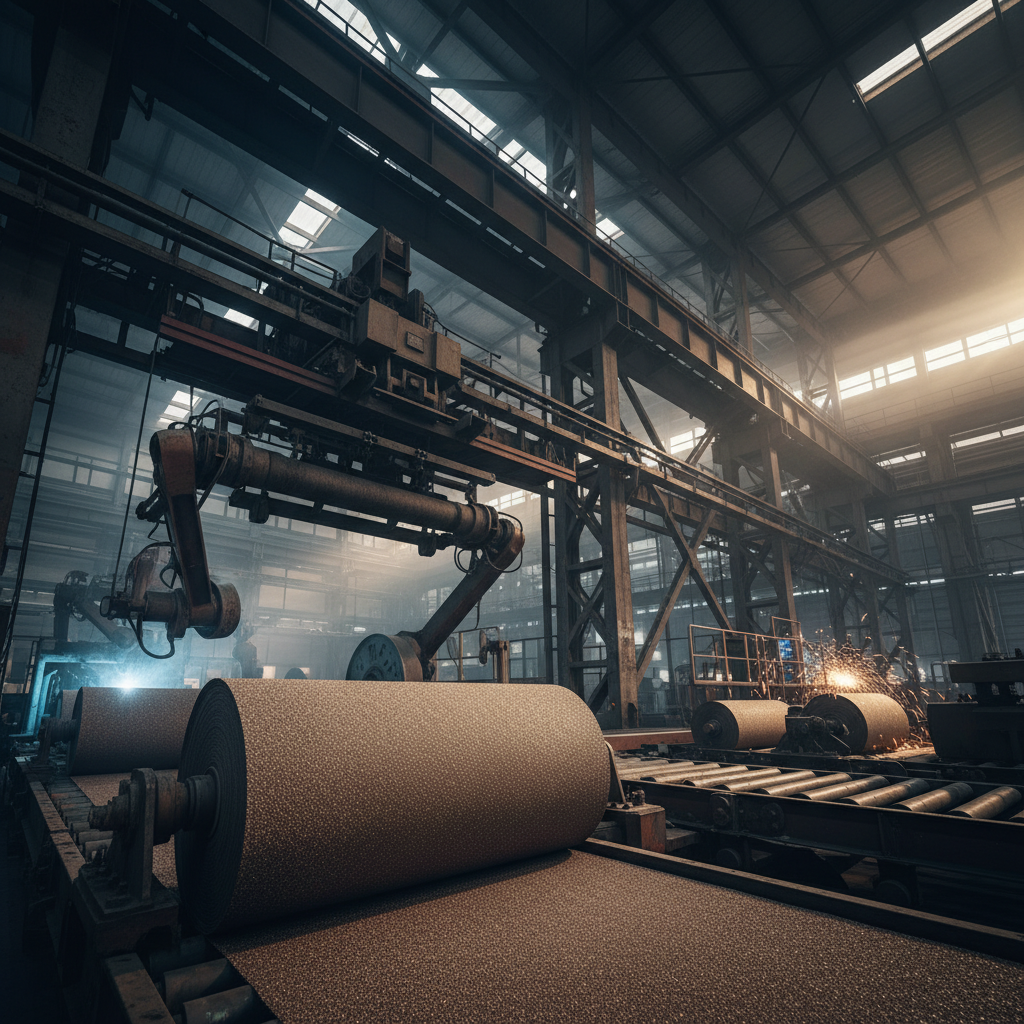
We are also seeing a shift toward automation in the manufacturing process, ensuring that every tile has a perfect distribution of stone particles and a flawless adhesive bond. This digital transformation ensures that the "reduplicate execution" of designs is more precise than ever, allowing for complex architectural shapes that were previously impossible with heavy clay.
The convergence of material science and environmental policy will likely lead to more hybrid materials that are not only durable but actively contribute to the building's energy efficiency. The goal is to maintain the timeless appeal of masonry while pushing the boundaries of what a protective shell can achieve.
Comparison of Roofing Material Characteristics
| Material Type |
Weight Load |
Installation Complexity |
Weather Resistance |
| Traditional Large Clay Roof Tiles |
Extremely High |
High / Specialized |
Moderate (Brittle) |
| Stone Coated Metal Tile |
Low / Lightweight |
Easy / Rapid |
High (Durable) |
| Standard Asphalt Shingles |
Low |
Moderate |
Moderate |
| Ceramic Cool Roof Tiles |
Moderate |
High |
High (Thermal) |
| Concrete Roof Tiles |
High |
High |
Moderate |
| Al-Zn Alloy Hybrid |
Low |
Low |
Extreme |
FAQS
Stone coated metal tiles are significantly lighter than traditional large clay roof tiles. Because they use a high-corrosion-resistant Al-Zn plate instead of heavy ceramic, they reduce the structural load on the building, allowing for easier installation on wood, steel, or concrete frames without requiring reinforced trusses.
Yes. Unlike traditional clay which can crack or shatter, the metallic core of stone coated tiles provides high flexibility and strength. This makes them explicitly Hail Resistant and Earthquake Resistant, as they can absorb impacts and vibrations that would typically destroy masonry tiles.
Absolutely. Stone coated metal roof tiles are designed for both new construction and original buildings. Their lightweight nature makes them an ideal choice for retrofitting older structures that may not be able to support the immense weight of traditional large clay roof tiles.
The coating consists of natural stone particles or inorganic color pigments bonded to the Al-Zn plate using a high-quality waterproof acrylic resin. This resin is specifically engineered for high weathering resistance, ensuring the color and texture remain vibrant despite prolonged exposure to UV rays and rain.
Yes, the material is Fire Resistant. The combination of the metallic base and the inorganic nature of the stone coating ensures that the roof does not contribute to the spread of fire, providing a safety advantage over asphalt or wood-based roofing solutions.
Yes. While the initial material quality is high, the cost-effectiveness comes from "Easy Installation" and reduced labor costs. Additionally, their long-term durability against storms, hail, and corrosion means fewer repairs and replacements compared to traditional large clay roof tiles.
Conclusion
In summary, the transition from traditional masonry to stone-coated metal technology allows homeowners to enjoy the timeless aesthetic of large clay roof tiles without the inherent drawbacks of weight and fragility. By leveraging Al-Zn plates and advanced acrylic resins, these modern roofing solutions provide unparalleled resistance to fire, hail, and earthquakes, while remaining lightweight and easy to install across various structural types.
As the global construction industry continues to prioritize sustainability and energy efficiency, adopting these high-tech, environment-friendly materials is a strategic move for any building project. We encourage architects and homeowners to embrace this blend of traditional beauty and modern engineering to ensure long-term structural safety and aesthetic prestige. Visit our website: www.coolroofmaterials.com