Selecting the right roofing material is a critical decision for any property owner, as it balances aesthetic appeal with long-term structural integrity. For decades, the industry has relied on heavy-duty options to protect buildings from the elements, ensuring that the roof remains a reliable shield against wind, rain, and heat.
While traditional options have set the standard for durability, modern engineering has introduced high-tech alternatives that mimic the classic look of heavy materials while offering superior performance. Understanding the evolution from traditional methods to advanced composites allows homeowners and contractors to make informed choices that reduce maintenance and installation costs.
Today, the market is seeing a significant shift toward materials that provide the visual charm of terracotta and concrete roofing but incorporate the strength of Al-Zn plates and natural stone coatings for enhanced resilience.
The Evolution of Traditional Roofing Aesthetics
For centuries, the architectural landscape has been defined by the deep colors and textures of clay and cement. These materials provided a sense of permanence and dignity to buildings, creating a timeless look that remains highly sought after in both residential and commercial sectors globally.
However, the industry has evolved. The introduction of stone coated metal roof tiles has bridged the gap, offering the natural, deep, and excellent decorative properties associated with traditional clay, while eliminating the fragility and excessive weight of legacy systems.
Material Composition and Engineering Logic
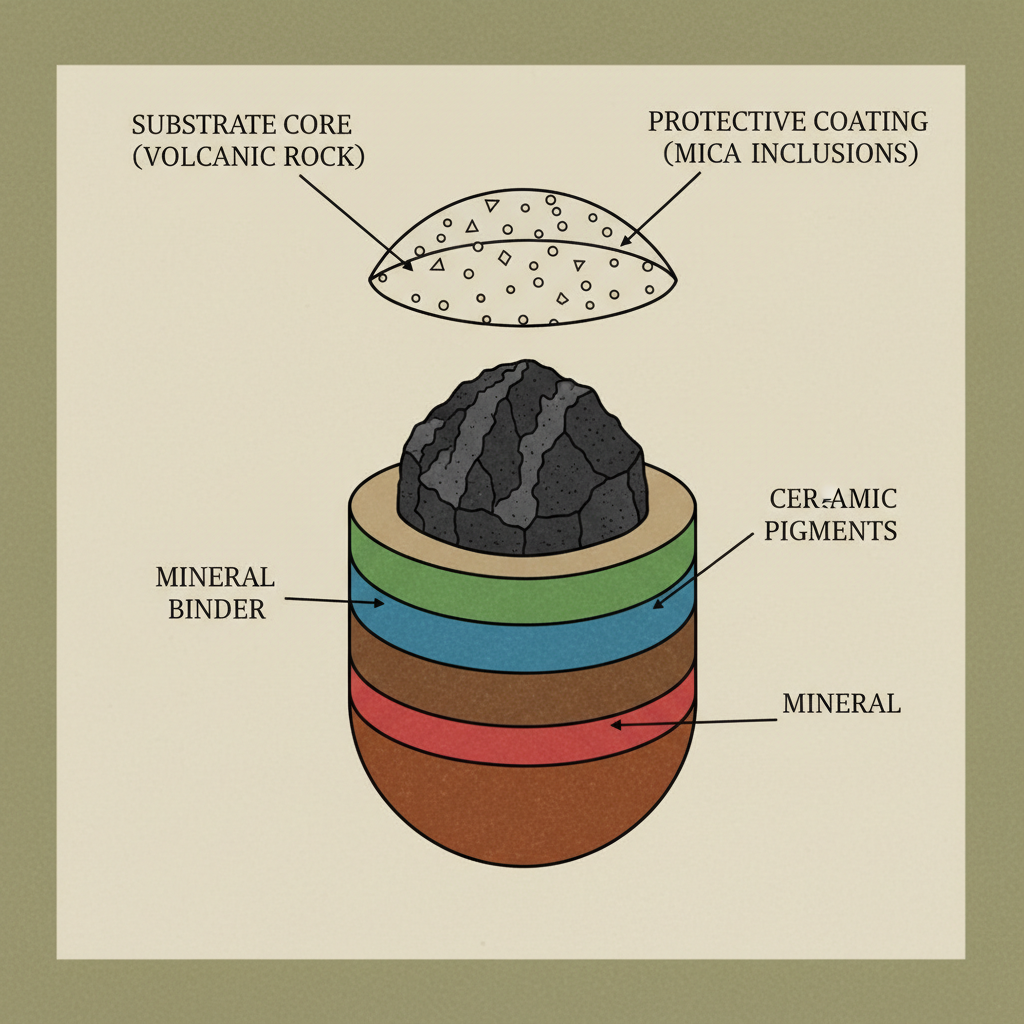
The engineering behind modern stone coated tiles is a complex blend of materials designed for maximum longevity. At its core is a high corrosion-resistant Al-Zn plate, which provides the structural strength and flexibility needed to withstand shifting temperatures and physical impact.
To bond the protective layers, a high-quality waterproof acrylic resin is used as a powerful adhesive. This ensure that the outer layer of natural stone particles or inorganic color pigments remains firmly attached, providing the weathered, organic look of traditional masonry without the porosity.
This high-tech combination results in a product that is environment-friendly and creative, merging the industrial efficiency of metal with the organic beauty of stone. It effectively replicates the appearance of heavy tiles while offering superior resistance to moisture and oxidation.
Comparing Weight and Structural Load
One of the primary challenges when choosing terracotta and concrete roofing is the immense weight these materials place on a building's frame. Traditional masonry tiles often require reinforced support structures, which can significantly increase the overall cost of construction.
In contrast, stone coated metal roofing provides a lightweight alternative that reduces the dead load on the roof. This allows for a wider range of structural applications, including wood, steel, and concrete frames, without compromising the safety or stability of the building.
By reducing the structural demand, architects can design more daring slopes and complex rooflines. This versatility makes the transition from heavy terracotta and concrete roofing to lightweight metal composites a strategic move for both new builds and renovations.
Resilience Against Extreme Weather Conditions
Modern roofing must be capable of surviving the most volatile weather patterns. While traditional tiles can crack under the pressure of hail or shatter during seismic activity, stone coated metal tiles are engineered to be impact-resistant and flexible, making them far more reliable in disaster-prone zones.
From storm and wind resistance to fire protection, these materials are designed to safeguard the interior of the home. Their ability to withstand hail and earthquakes makes them a preferred choice for international projects where climate variability is a constant threat.
Performance Rating of Roofing Material Types
Installation Efficiency and Cost Effectiveness
One of the most tangible benefits of switching from traditional masonry to stone coated metal is the ease of installation. Because the tiles are lightweight and often come in optimized panels, the labor hours required for deployment are significantly reduced compared to laying individual heavy tiles.
This efficiency translates directly into cost savings. Not only is the labor cheaper, but the reduced need for heavy-duty structural reinforcement means the overall project budget can be managed more effectively without sacrificing the premium look of the finish.
Versatility Across Different Roof Slopes
Regardless of the architectural style, the ability of a roofing material to adapt to various pitches is essential. Stone coated metal roofing is suitable for all sloping roofs, ensuring that whether a building has a steep gothic peak or a gentle modern incline, the coverage remains watertight and secure.
This versatility extends to the underlying structure. Whether the roof is supported by wood, steel, or concrete, the application process remains consistent. This makes it an ideal solution for both new construction projects and the upgrading of original buildings.
By providing a flexible installation path, this material allows developers to maintain a consistent aesthetic across a diverse range of building types, ensuring a cohesive look while utilizing the most efficient materials available.
Long-Term Performance and Environmental Impact
Sustainability in the modern construction industry is no longer optional. The use of Al-Zn plates and inorganic pigments ensures that the roofing does not degrade quickly, reducing the frequency of replacement and the amount of waste sent to landfills over the life of the building.
When compared to the resource-intensive firing process of traditional clay, the production of stone coated metal is often more energy-efficient. Furthermore, the durability of the material means that it provides a long-term shield that requires minimal maintenance, adding to the overall value of the property.
The integration of high-tech acrylic resins and natural stone ensures that the roof remains weather-resistant for decades, proving that high-performance engineering and environmental responsibility can coexist in a single product.
Comparative Analysis of Traditional vs. Modern Roofing Solutions
| Material Type |
Installation Speed |
Weight Load |
Weather Resilience |
| Stone Coated Metal |
Very Fast |
Low |
Excellent |
| Traditional Concrete |
Slow |
Very High |
Moderate |
| Terracotta Clay |
Slow |
High |
Moderate |
| Asphalt Shingles |
Fast |
Low |
Low |
| Standard Steel |
Fast |
Low |
High |
| Ceramic Tile |
Moderate |
High |
Moderate |
FAQS
Stone coated metal tiles provide the same aesthetic appeal as traditional masonry but are significantly lighter and more durable. Unlike heavy tiles, they are resistant to cracking during earthquakes and are far easier to install, reducing overall labor costs while maintaining the classic look.
Yes, stone coated metal roofing is ideal for all sloping roofs regardless of the structure. Because it is lightweight, it can be applied to wood, steel, or concrete frames without requiring the expensive structural reinforcement often needed for traditional concrete tiles.
These tiles are specifically engineered to be wind, storm, and hail resistant. The Al-Zn plate core provides immense strength, while the acrylic resin bonding ensures that the stone surface remains intact even under severe weather conditions, making it safer than brittle clay alternatives.
No, stone coated metal is designed for low maintenance. Its high corrosion resistance and weathering properties prevent the common degradation seen in asphalt or traditional clay, ensuring the roof remains waterproof and visually appealing for decades.
Yes, it is considered a high-tech, environment-friendly product. It utilizes recyclable metal components and inorganic pigments, and its long lifespan reduces the need for frequent replacements, thereby lowering the overall environmental footprint of the building.
Absolutely. Stone coated metal roof tiles are suitable for all sloping roof projects of various styles. Whether you have a steep pitch or a more gradual slope, the material provides a secure and waterproof seal across the entire surface.
Conclusion
The transition from heavy terracotta and concrete roofing to stone coated metal tiles represents a significant leap in construction technology. By combining the timeless beauty of natural stone with the industrial strength of Al-Zn plates, this material solves the age-old conflict between aesthetic desire and structural practicality. It offers unparalleled resilience against fire, wind, and earthquakes, all while remaining cost-effective and easy to install.
As we move toward a future of more sustainable and resilient architecture, choosing materials that offer long-term value and reduced environmental impact is paramount. We encourage property owners and architects to embrace these innovative composites to ensure their buildings are not only beautiful but built to last for generations. Visit our website for more information: www.coolroofmaterials.com