For many homeowners and facility managers, the realization that they are dealing with an old asphalt roof often comes during a leak or after a severe storm. While asphalt shingles were once the gold standard for affordability and ease of installation, time and environmental exposure inevitably lead to granule loss, curling, and structural failure. Understanding the lifecycle of these materials is critical for maintaining property value and ensuring the safety of the building's interior.
Globally, millions of square meters of roofing reach their expiration date every year, creating a massive demand for sustainable and durable replacements. The challenge lies in moving away from materials that require frequent replacement toward high-performance solutions that can withstand extreme weather. Transitioning from an outdated system to modern technology not only reduces waste but significantly lowers long-term maintenance costs.
When evaluating the need to replace an old asphalt roof, it is essential to consider the evolution of roofing science. Today, we have access to creative, environment-friendly high-tech products like Stone Coated Metal Roof Tiles, which bridge the gap between the aesthetic appeal of traditional clay and the strength of modern metallurgy, offering a permanent solution to the recurring failures of organic bitumen-based systems.
Transitioning from an Old Asphalt Roof to Metal
The transition from an old asphalt roof to a stone coated metal system represents a shift from temporary protection to permanent security. Traditional asphalt shingles often suffer from "thermal shock," where constant expansion and contraction cause the material to crack. By upgrading to a high-corrosion resistant Al-Zn plate base, homeowners eliminate the inherent weakness of bitumen, ensuring that the roof remains intact regardless of temperature fluctuations.
This upgrade is not merely about replacing one material with another; it is about integrating a complex, environment-friendly high-tech product into the building's structure. The stone coated metal roof tile provides the deep, decorative properties of traditional clay tiles while maintaining the lightweight strength of modern metal, making it the ideal successor for those tired of the short lifespans associated with organic roofing.
Structural Advantages of Stone Coated Tiles
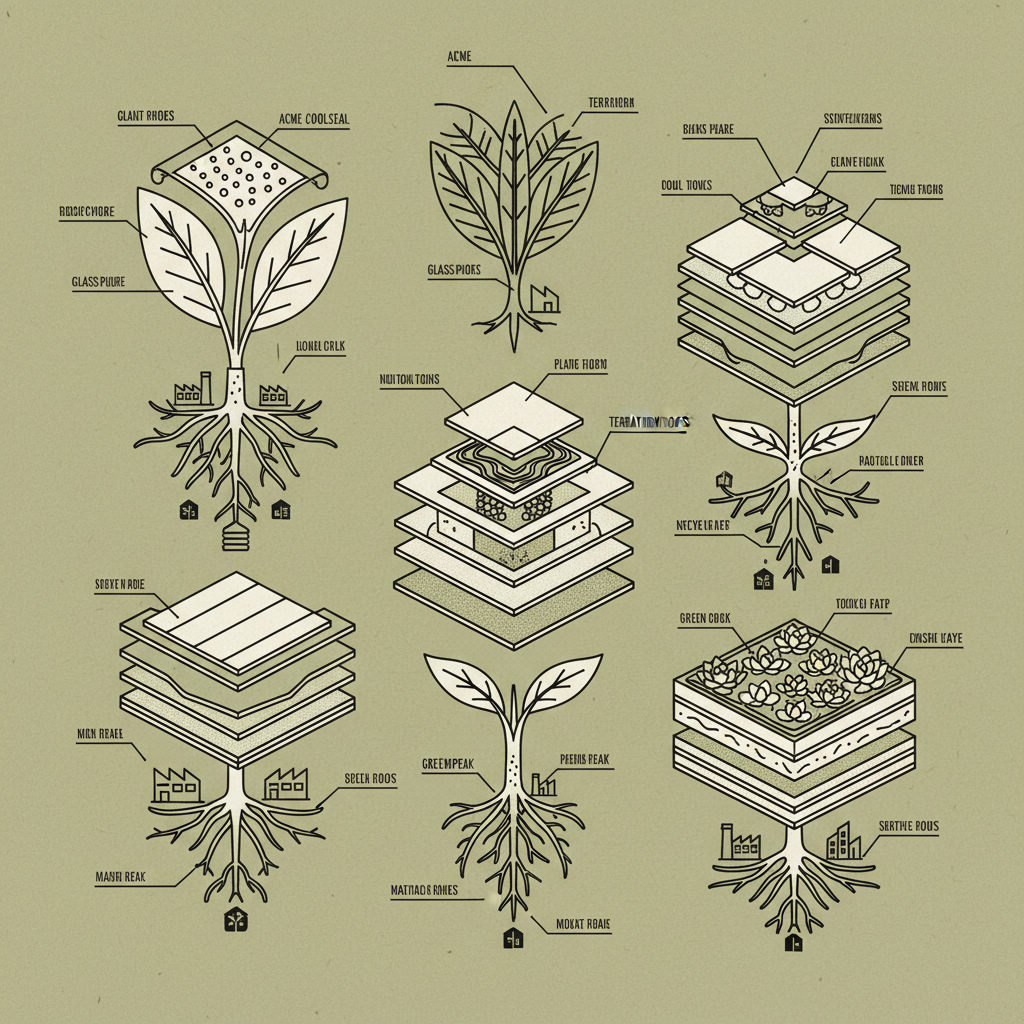
Unlike the heavy, brittle nature of clay or the fragile layers of an old asphalt roof, stone coated metal tiles are engineered for maximum resilience. The core is a high-strength Al-Zn alloy plate, which provides the primary structural integrity. This is then bonded with a high-quality waterproof acrylic resin that acts as a powerful adhesive for the surface granules, preventing the "balding" effect common in older shingle types.
The exterior finish consists of natural stone particles or inorganic color pigments, which are meticulously applied to ensure high weathering resistance. This combination creates a shield that is not only visually stunning but also physically formidable. The material is specifically designed to be light yet strong, reducing the dead load on the building's rafters and trusses compared to traditional heavy tiles.
Furthermore, the structural design makes these tiles suitable for a variety of roof slope projects and diverse structural bases, including wood, steel, and concrete. Whether the building is a new construction or an original building needing a renovation, the adaptability of stone coated metal allows for a seamless fit without requiring extensive reinforcement of the existing frame.
Comparing Durability and Weather Resistance
When we analyze the failure points of an old asphalt roof, we usually find vulnerability to wind and water penetration. In contrast, stone coated metal roof tiles are engineered to be Wind Resistant and Storm Resistant. The interlocking mechanism of the metal plates ensures that the roof remains a cohesive unit even during high-velocity wind events that would typically strip shingles from a home.
Beyond wind, the impact of hail and earthquakes presents a significant risk to residential structures. While an old asphalt roof can be punctured or cracked by heavy hail, stone coated metal is Hail Resistant and Earthquake Resistant. The flexibility of the Al-Zn plate allows the material to absorb energy without fracturing, providing a level of security that traditional organic or ceramic materials simply cannot match.
Fire safety is another critical dimension where these materials diverge. Stone coated metal is naturally Fire Resistant, whereas bitumen-based materials act as fuel for flames. By replacing an old asphalt roof with these high-tech tiles, the overall fire rating of the building is improved, potentially reducing insurance premiums and providing priceless peace of mind for the occupants.
Cost-Effectiveness and Long-Term Value
Many property owners hesitate to move away from an old asphalt roof due to the initial lower cost of asphalt shingles. However, this is a "false economy." The cost-effectiveness of stone coated metal roof tiles is found in their longevity and the reduction of "reduplicate execution." Instead of replacing a roof every 15-20 years, a metal system can last for several decades, effectively eliminating the need for multiple replacement cycles.
When you factor in the easy installation process and the lack of ongoing maintenance, the return on investment becomes clear. The durability of the Al-Zn plate and the weather-resistant stone coating mean that the roof does not require the frequent patching or chemical treatments often needed to prolong the life of a failing organic roof.
Life Cycle Performance: Old Asphalt Roof vs. Stone Coated Metal
Environmental Impact and Sustainability
One of the most overlooked aspects of maintaining an old asphalt roof is the environmental toll. Asphalt shingles are petroleum-based products that are difficult to recycle and often end up in landfills in massive quantities. Because they have a shorter lifespan, the cycle of production, transportation, and disposal happens more frequently, increasing the carbon footprint of the building.
Stone coated metal roof tiles offer a sustainable alternative. They utilize Al-Zn plates and natural stone particles, which are more environmentally friendly and durable. By choosing a high-tech product that resists weathering and corrosion, we reduce the waste generated by frequent roof replacements, contributing to a more circular economy in the construction industry.
Installation Versatility for All Roof Slopes
A common concern when replacing an old asphalt roof is whether the new material will fit the existing architecture. Stone coated metal roof tiles are specifically engineered to be suitable for all sloping roofs, regardless of the pitch or complexity. This versatility allows architects and homeowners to maintain the classic look of a tiled roof without the weight and installation difficulties associated with traditional ceramics.
The installation process is streamlined for efficiency, making it "Easy Installation" compared to the labor-intensive process of laying individual heavy clay tiles. The lightweight nature of the Al-Zn base means that the materials can be transported and handled more easily on-site, reducing labor costs and shortening the construction timeline.
Because the system is compatible with wood, steel, and concrete structures, it is an ideal choice for original buildings that are being modernized. It provides a way to upgrade the building's protective envelope without requiring a complete overhaul of the structural support system, bridging the gap between legacy construction and modern performance.
Future-Proofing Your Home's Exterior
Looking forward, the goal of any property owner should be to move beyond the vulnerabilities of an old asphalt roof. The integration of high-tech materials like stone coated metal tiles is a step toward "future-proofing." As climate patterns become more unpredictable, with more frequent extreme storms and temperature spikes, the demand for materials that are Storm Resistant and Wind Resistant will only grow.
The trend in international advanced roofing is moving toward materials that offer a hybrid of aesthetics and engineering. By combining the natural, deep decorative properties of stone with the industrial strength of Al-Zn alloys, these tiles provide a solution that satisfies both the visual requirements of luxury residential design and the rigorous demands of industrial durability.
Investing in this technology today means avoiding the costly "reduplicate execution" of the future. By choosing a product that is inherently resistant to fire, hail, and corrosion, you are ensuring that your property remains a safe haven for decades to come, regardless of the environmental challenges that may arise.
Comparative Analysis of Roofing Material Lifecycles
|
Material Type
|
Expected Lifespan
|
Maintenance Level
|
Weather Resilience
|
|
Old Asphalt Roof
|
15-20 Years
|
High (Frequent Patching)
|
Low (Prone to Wind/Hail)
|
|
Traditional Clay Tile
|
40-60 Years
|
Medium (Brittle/Cracks)
|
Medium (Heavy Weight)
|
|
Stone Coated Metal
|
50+ Years
|
Very Low (Corrosion Resistant)
|
Extreme (Wind/Fire/Hail)
|
|
Standard Metal Sheet
|
30-40 Years
|
Low (Paint Fading)
|
High (Wind Resistant)
|
|
Wood Shingles
|
10-20 Years
|
Very High (Rot/Pests)
|
Very Low (Fire Risk)
|
|
Composite Materials
|
25-30 Years
|
Medium (UV Degradation)
|
Medium (Moderate Storms)
|
FAQS
While it is technically possible in some regions, it is generally recommended to remove an old asphalt roof to inspect the underlying decking for rot or damage. Installing a high-performance metal system over a failing organic base can trap moisture and reduce the overall lifespan of the new roof. A clean slate ensures the Al-Zn plates bond correctly and the structural integrity of the building is maintained.
Yes, when viewed through the lens of total cost of ownership. An asphalt roof may be cheaper today, but you will likely replace it two or three times over the period a single stone coated metal roof lasts. When you combine the energy savings from the high-reflectivity coatings and the avoidance of "reduplicate execution" (repeated replacements), the metal system provides far superior long-term value.
Unlike asphalt shingles, which are held by nails and adhesive that can fail in high winds, stone coated metal tiles use an interlocking system and a strong Al-Zn plate. This makes them significantly more Wind Resistant. Additionally, the metal core is Hail Resistant, meaning it will not puncture or crack like organic materials, protecting your home's interior from water ingress during severe storms.
Not at all. One of the main advantages of this material is that it is suitable for all sloping roofs and various structure types, including wood, steel, and concrete. Because the tiles are lightweight, they do not require the heavy structural reinforcement that clay tiles would. This makes them an ideal choice for original buildings that need a modern, durable upgrade without extensive renovations.
Yes, they are considered an environment-friendly high-tech product. They reduce landfill waste by lasting much longer than organic shingles and utilize recyclable metal components. Furthermore, the use of inorganic color pigments and natural stone particles reduces the chemical runoff typically associated with low-grade roofing materials, making them a sustainable choice for the modern homeowner.
This is a common misconception. Because these tiles are stone coated, the natural stone particles and the acrylic resin layer act as a sound dampener. This eliminates the "drumming" effect associated with bare metal sheets. You get the strength of steel with the quiet, traditional feel of a clay or asphalt roof, providing a peaceful interior environment.
Conclusion
Replacing an old asphalt roof is more than just a maintenance task; it is an opportunity to upgrade your property's defense system. By transitioning to stone coated metal roof tiles, you move from a cycle of frequent replacements and vulnerability to a state of permanent security. These tiles combine the aesthetic beauty of natural stone with the industrial strength of Al-Zn alloys, offering unmatched resistance to wind, fire, hail, and corrosion.
As we look toward a future of more extreme weather and a greater emphasis on sustainability, investing in high-tech, environment-friendly roofing is the only logical choice. We encourage property owners to evaluate the long-term value over the short-term cost and choose a solution that provides safety, dignity, and lasting peace of mind. Visit our website for more information: www.coolroofmaterials.com