
Dec . 05, 2025 10:35 Back to list
How Long Will Roof Shingles Last? Comprehensive Lifespan Guide & Trends
How Long Will Roof Shingles Last? Understanding Lifespan & Impact
For homeowners, builders, and architects worldwide, the question of how long roof shingles last isn’t just a technical curiosity — it’s a critical factor in durability, budget planning, and sustainability. Roof shingles form the first line of defense against weather elements, so understanding their lifespan impacts everything from maintenance cycles to environmental footprint. Plus, with climate change driving more intense storms and variable conditions globally, predicting and improving shingles’ durability has become even more relevant.
Introduction: Why the Lifespan of Roof Shingles Matters Globally
Globally, residential and commercial buildings account for a significant portion of resource consumption and waste. According to the International Energy Agency (IEA), the global building stock will nearly double by 2060, pushing demand for roofing materials ever higher. Roof shingles, commonly made from asphalt, wood, metal, or composite materials, form a major part of this. However, the challenge is that many traditional shingles have relatively limited durability — leading to frequent replacements, increased landfill waste, and higher environmental and economic costs.
Figuring out how long roof shingles last — and improving this lifespan — means fewer disruptions, better investment returns, and a positive step towards circular construction principles favored by ISO 14001 environmental management standards. So, the industry is watching closely, balancing cost, durability, and environmental demands.
What Does ‘How Long Will Roof Shingles Last’ Actually Mean?
At its core, the question is about the expected service life of roofing shingles before they require replacement or major repairs. It’s measured in years and varies widely depending on material quality, environmental exposure, installation methods, and maintenance routines. Understanding this lifespan helps stakeholders plan for safety, costs, and sustainability.
Modern industries rely on such lifespan estimates to comply with building codes, insurance requirements, and resilience standards — making it more than just a homeowner’s concern. NGOs building shelters in disaster-prone zones or commercial developers in harsh climates also depend heavily on this knowledge to select materials that deliver longevity without exorbitant costs.
Key Factors Influencing How Long Roof Shingles Last
1. Material Quality and Type
Different materials offer markedly different lifespans. For example, asphalt shingles typically last 15-30 years, while metal or slate can exceed 50 years. The exact formulation or blend of materials also matters greatly — premium-grade fiberglass asphalt shingles outperform organic variants, resisting cracking and UV damage better.
2. Climate and Weather Exposure
Harsh sunlight, frequent freeze-thaw cycles, heavy rainfall, and wind can all shorten a shingle’s life. In coastal or tropical zones, humidity and salt air also accelerate deterioration. Oddly enough, even pollution levels and airborne particulates factor into roof wear in urban areas.
3. Installation Quality
Proper installation ensures tight seams, adequate ventilation, and correct nailing — poorly installed shingles are vulnerable to wind uplift and water infiltration. Many professionals emphasize that installation quality can reduce lifespan by 20% or more if corners are cut.
4. Maintenance Practices
Regular inspection, cleaning debris, and timely repairs of minor damage extend shingle life. Neglect often leads to moss buildup or water pooling, which degrades material faster.
5. Roof Slope and Ventilation
Steeper roofs shed water and debris more effectively, reducing wear. Proper attic ventilation controls moisture levels beneath shingles, preventing warping and mildew.
Mini Takeaway:
Simply put, while the “how long will roof shingles last” question might seem straightforward, it’s a complex interplay between materials, environment, and care. Getting this right pays off in years of reliable protection.
Roof Shingles Lifespan: Product Specifications Overview
| Material Type | Typical Lifespan | Cost Range (per sq ft) | Key Advantages |
|---|---|---|---|
| Asphalt (Fiberglass) | 20 - 30 years | $1.00 - $4.00 | Affordable, easy to install, widely available |
| Metal (Steel/Aluminum) | 40 - 70 years | $5.00 - $12.00 | Durable, reflective, low maintenance |
| Slate | 50 - 100+ years | $10.00 - $30.00 | Extremely durable, elegant, fire-resistant |
| Wood Shingles | 25 - 30 years | $4.00 - $7.00 | Natural aesthetic, renewable material |
Global Applications & Use Cases
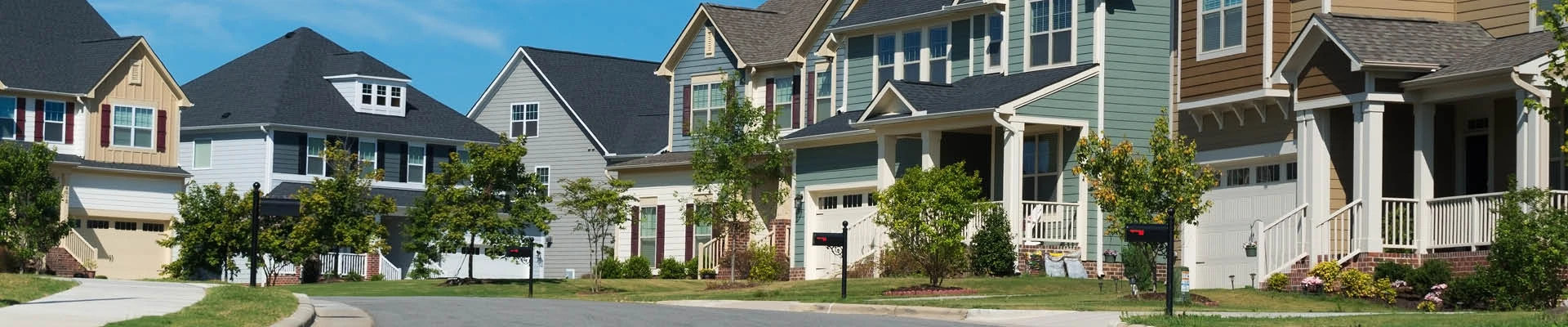
The lifespan of roof shingles plays out differently depending on geography and societal needs. In North America and Europe, for instance, asphalt shingles dominate suburban homes because of their cost efficiency and moderate lifespan. But in parts of Asia and Africa, where rapid urbanization meets frequent storms and intense sun, metal shingles have gained traction for better longevity and damage resistance.
Post-disaster relief organizations often prioritize fast-install, durable roofing materials — here knowing the typical how long will roof shingles last figure informs logistics, budgeting, and shelter designs. Similarly, in remote industrial zones like mining camps or oil rigs, durability and minimal maintenance trump initial cost because accessibility is limited.
Vendor Comparison: Asphalt Shingle Brands
| Brand | Warranty (Years) | Average Lifespan (Years) | Price (per bundle) | Special Features |
|---|---|---|---|---|
| GAF Timberline | 25 | 25 - 30 | $30 - $35 | Algae-resistant, WindPro technology |
| Owens Corning Duration | 25 | 20 - 25 | $27 - $32 | SureNail grip, StreakGuard defense |
| CertainTeed Landmark | 30 | 25 - 30+ | $32 - $37 | StreakFighter algae protection, large color palette |
Advantages and Long-Term Value of Durable Roof Shingles
When roof shingles last longer, the benefits ripple through every layer of a building's lifecycle. Cost savings are the obvious upside—less frequent replacements, repairs, and labor. But there’s more. Longer-lasting shingles lean into sustainability, reducing waste and resource consumption per building. You might also appreciate the emotional peace of knowing your home or office stays protected through harsh seasons, backed by a reliable material engineered for the long haul.
Innovation breeds trust. For families in vulnerable areas, a roof that confidently withstands storms without frequent upkeep restores dignity and continuity — things you sometimes take for granted until disrupted. For industry, it’s about reliability that keeps operations running smoothly and safely.
Future Trends & Innovations
It feels like the roofing sector is buzzing with advancements. From solar-integrated shingles that generate electricity (hello Tesla Solar Roof!) to bio-based composites enhancing durability and environmental friendliness, the future is exciting. Digital tools, like drones paired with AI, help pinpoint roof weak spots early, tailoring maintenance to actual wear instead of guesswork.
Green certifications and stricter building codes worldwide also mean roofing materials must get smarter — more recyclable, reflective, and resilient. Automated manufacturing processes are driving down costs too, making high-performance shingles more accessible.
Challenges & Solutions in Achieving Long Roof Shingle Lifespans
Despite progress, challenges remain. Weather unpredictability and installation errors still cause premature failures. Material costs can be a hurdle for widespread adoption of long-lasting options. Additionally, misinformation about maintenance hurts shingle longevity.
Experts recommend investing in professional installation and endorsing regular roof inspections. Some manufacturers now provide installation training or warranty incentives for certified roofers — a practical solution. On the materials front, ongoing R&D targeting UV resistance and micro-structural integrity shows promise. Community education and industry transparency are equally important.
FAQ: Common Questions About How Long Will Roof Shingles Last
- Q: What factors most influence how long roof shingles last?
- A: Material type, climate exposure, installation quality, maintenance practices, and roof design all play key roles. Asphalt shingles may last 20–30 years, but poor installation or harsh environments shorten that considerably.
- Q: Can regular maintenance really extend shingle lifespan?
- A: Absolutely. Cleaning debris, fixing small damages, and inspecting after storms can add several years to the roof’s functional life and prevent costly repairs.
- Q: Are metal shingles worth the extra cost for longevity?
- A: Generally, yes. They offer 40–70 years lifespan, better resilience to extreme weather, and energy efficiency benefits, making them cost-effective over time despite higher upfront prices.
- Q: How do warranties reflect expected shingle lifespans?
- A: Manufacturers’ warranties typically match or slightly understate expected lifespans to cover defects and performance, providing a useful benchmark but not a guarantee.
- Q: Where can I learn more about sustainable roofing materials?
- A: Industry bodies like the Cool Roof Rating Council and organizations promoting ISO 14001 standards are great resources, alongside websites such as CoolRoofMaterials.com.
Conclusion
Understanding how long roof shingles last is more than a numbers game — it’s central to creating resilient, cost-effective, and environmentally responsible built environments. Choosing the right material, factoring climate and care, and staying abreast of innovations ensures your investment holds strong over decades.
If you want to explore roofing materials that balance durability, sustainability, and value, I encourage you to visit https://www.coolroofmaterials.com — a solid starting point for making informed decisions and protecting your roof’s future.
A little roof knowledge today will keep the leaks away tomorrow.
References:
1. International Energy Agency (IEA), Global Building Stock Data
2. ISO 14001 Environmental Management Standards
3. Cool Roof Rating Council, https://coolroofs.org
Latest news
-
Elevating Modern Design with High Quality Flat Mosaic Tiles
NewsApr.16,2026
-
Flat Liner Tile Guide for Roof Durability and Modern Aesthetics
NewsApr.09,2026
-
Exploring the Benefits of Durable Flat Interlocking Tiles for Modern Roofing Systems
NewsApr.07,2026
-
Choosing the Best Flat Interlocking Roof Tiles for Modern Homes
NewsApr.04,2026
-
Exploring the Versatility and Benefits of Flat Grey Tile for Modern Designs
NewsMar.31,2026
-
Comprehensive Guide to Choosing the Best Flat Grey Roof Tiles for Your Project
NewsMar.28,2026

Copyright © 2026 Hebei Chida Manufacture and Trade Co., Ltd. All Rights Reserved. Sitemap | Privacy Policy | Top Blog | Global Service