
Dec . 03, 2025 16:22 Back to list
How Long Is an Asphalt Roof Good For? Lifespan, Factors & Benefits
How Long Is an Asphalt Roof Good For? A Practical Guide
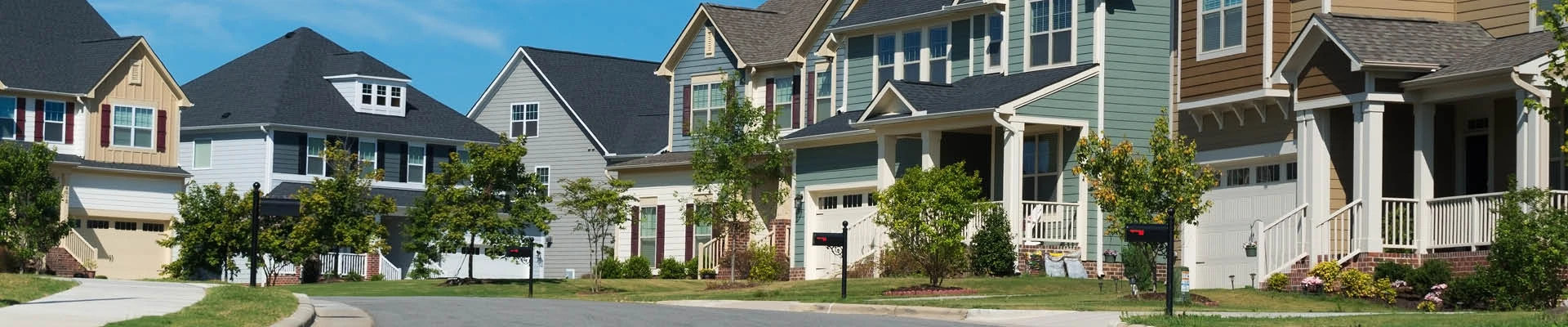
When you’re thinking about roofing, especially asphalt shingles, one question keeps popping up—how long is an asphalt roof good for? It sounds simple enough but has big implications globally. After all, roofs protect homes, businesses, and communities. Understanding the lifespan of an asphalt roof can save money, reduce waste, and improve safety worldwide.
Introduction: The Global Context
Globally, millions of homes use asphalt shingles for roofing—largely because they strike a balance between cost, durability, and ease of installation. According to the International Organization for Standardization (ISO), roofing standards vary significantly based on climate and materials, but asphalt remains a highly trusted solution in temperate zones. Yet, despite its popularity, there’s often confusion about how long an asphalt roof can last, especially in areas prone to extreme weather. This uncertainty presents challenges for homeowners and contractors who want to optimize maintenance and replacement schedules.
Defining the Lifespan of Asphalt Roofs
Simply put, the question how long is an asphalt roof good for boils down to the expected duration the roof can protect the structure effectively without major repairs or replacement. On average, a quality asphalt shingle roof lasts between 15 and 30 years. This range depends heavily on the materials, installation quality, climate, and ongoing maintenance.
Understanding this lifespan isn't just academic. In disaster relief or development contexts—think post-hurricane recovery or housing projects in developing nations—knowing when to invest in replacement can mean the difference between long-term safety and repeated vulnerability.
Key Factors Influencing Asphalt Roof Longevity
1. Material Quality
Not all asphalt shingles are created equal. Fiberglass-based asphalt shingles tend to last longer—closer to 25-30 years—while organic mat shingles might only last 15-20 years. The thickness and granule coating also contribute to durability.
2. Installation Practices
Proper installation is critical. Poor nailing, inadequate underlayment, or improper ventilation can reduce roof life drastically. Many experts say installation errors account for up to 50% of premature roof failures.
3. Climate and Environmental Exposure
Harsh UV radiation, high humidity, freeze-thaw cycles, and severe storms can all wear down asphalt roofs faster. Coastal areas with salty air might see degradation rates spike.
4. Maintenance and Upkeep
Regular inspections and cleaning gutters, removing debris, and fixing minor damage promptly can extend an asphalt roof’s life by several years.
5. Ventilation and Insulation
A well-ventilated attic helps moderate temperature extremes, preventing premature shingle cracking or curling.
Product Specification Table: Asphalt Shingle Roof Types
| Shingle Type | Average Lifespan (Years) | Material | Typical Cost per sq.ft. |
|---|---|---|---|
| Fiberglass Asphalt | 25 - 30 | Glass mat, asphalt, mineral granules | $1.00 - $1.50 |
| Organic Asphalt | 15 - 20 | Paper/wood mat, asphalt, mineral granules | $0.80 - $1.20 |
| Architectural/Shaped | 30 - 40 | Multiple layers of fiberglass + asphalt | $1.50 - $2.50 |
Mini takeaway: The type of asphalt shingle you choose directly affects how long the roof will safely last, so invest wisely!
Global Applications & Use Cases
In North America, asphalt shingles dominate residential roofing, chosen for their cost and suitability against snow and rain. In contrast, many countries in Europe lean toward tile roofing or metal, reflecting regional climate and tradition.
Emerging economies benefit hugely from understanding asphalt roofing life cycles. For instance, in Southeast Asia’s flood-prone regions, NGOs use high-quality fiberglass shingles in rebuilding programs to ensure homes remain habitable longer, reducing repeated reconstruction costs.
In remote industrial zones—say, Canadian mining camps or Middle Eastern oil fields—rapid deployment of asphalt roofing provides critical shelter that can endure the harsh environment for decades if maintained properly.
Vendor Comparison Table: Asphalt Roofing Suppliers
| Vendor | Warranty (Years) | Price Range | Eco Certifications | Ideal Use Cases |
|---|---|---|---|---|
| GAF | 20 - 50 | $$$ | Yes (e.g., UL Environment) | Residential & Commercial |
| Owens Corning | 25 - 40 | $$ | Yes | Residential |
| IKO Industries | 15 - 25 | $ - $$ | Limited | Entry-level residential |
Advantages & Long-Term Value
The long-term value of knowing how long an asphalt roof lasts is immense. Financially, it helps homeowners plan replacement budgets better, avoiding emergency fixes. Environmentally, extending roof life reduces landfill waste and resource consumption. This aligns with many international sustainability goals, including ISO’s standards for construction material efficiency.
Emotionally, a durable roof means peace of mind. It protects families from weather extremes, diseases linked to damp or poor shelters, and even preserves the dignity of living spaces. That’s harder to quantify but no less important.
Future Trends and Innovations
Roofing technology is evolving. Manufacturers are including recycled materials, improving granule coatings for UV resistance, and engineering shingles that integrate solar cells for energy generation. Digital tools like drones and thermal cameras now assist in inspecting roofs quickly, predicting problems before they become costly.
Policies promoting green building codes are gaining ground worldwide, nudging producers and builders toward longer-lasting, less toxic roofing options. This will likely push the average lifespan of asphalt roofs higher over the next decade.
Challenges & Solutions
Challenges remain—extreme weather as climate change intensifies threatens roof durability. Installation quality remains inconsistent, especially in remote or under-resourced areas. Also, cheaper materials flood some markets, skewing expectations about asphalt roof lifespans.
Professionals suggest ongoing education, stricter standards, and innovation will solve many issues. For instance, roofing nails optimized for corrosion resistance and improved ventilated roof deck designs can prevent premature failures.
FAQ: Common Questions About Asphalt Roof Lifespan
- How long can an asphalt shingle roof realistically last?
Typically between 15 to 30 years depending on materials and maintenance. - Does climate affect asphalt roof durability?
Absolutely. Hot sun, heavy rain, or cold freezes can shorten the lifespan considerably. - What maintenance extends asphalt roof life?
Regular gutter cleaning, debris removal, replacing damaged shingles, and attic ventilation checks. - Can asphalt roofs be recycled?
Yes, old shingles can be reused in paving materials, reducing landfill waste. - Are there better roofing alternatives for harsh climates?
Metal or tile roofs might last longer in extreme conditions but usually at higher upfront costs.
Conclusion
To sum up, knowing how long is an asphalt roof good for helps you plan smarter. It’s about balancing cost, durability, and environmental considerations. Whether you’re a homeowner, builder, or policy planner, this knowledge forms the foundation of resilient construction strategies.
Don’t hesitate to explore trusted vendors and stay informed about innovations—your roof’s longevity depends on it.
Visit our website to learn more: https://www.coolroofmaterials.com
Quick takeaway: Asphalt roofs can last decades—but only with the right materials, installation, and care.
References:
Latest news
-
Elevating Modern Design with High Quality Flat Mosaic Tiles
NewsApr.16,2026
-
Flat Liner Tile Guide for Roof Durability and Modern Aesthetics
NewsApr.09,2026
-
Exploring the Benefits of Durable Flat Interlocking Tiles for Modern Roofing Systems
NewsApr.07,2026
-
Choosing the Best Flat Interlocking Roof Tiles for Modern Homes
NewsApr.04,2026
-
Exploring the Versatility and Benefits of Flat Grey Tile for Modern Designs
NewsMar.31,2026
-
Comprehensive Guide to Choosing the Best Flat Grey Roof Tiles for Your Project
NewsMar.28,2026

Copyright © 2026 Hebei Chida Manufacture and Trade Co., Ltd. All Rights Reserved. Sitemap | Privacy Policy | Top Blog | Global Service