
Dec . 03, 2025 15:20 Back to list
How Long Does the Average Asphalt Shingle Roof Last? Essential Lifespan Guide
How Long Does the Average Asphalt Shingle Roof Last? A Closer Look
When you think about your home, the roof over your head is probably one of the biggest investments you’ll make. So naturally, how long does the average asphalt shingle roof last is an important question—not just for homeowners, but for builders, real estate pros, and sustainability advocates worldwide. Asphalt shingles remain the most popular roofing material in North America, covering roughly 75% of residential roofs (source: National Roofing Contractors Association). Yet, questions about their lifespan, reliability, and long-term cost-efficiency are everywhere.
Understanding the lifespan of asphalt shingles goes beyond mere curiosity—it shapes planning, budgeting, and environmental decisions. Especially as climate change brings more intense weather events, knowing how durable your roof is can influence safety and resilience. Plus, if we factor in energy efficiency and disposal impacts, it’s crucial globally to get a grip on these lifespans for better sustainability goals.
Global Context: Why Lifespan Matters
Across the globe, millions of homes rely on asphalt shingles or equivalents. According to the World Bank, urban housing expansion in developing regions is rapidly increasing the demand for affordable, durable roofing solutions. Asphalt shingles meet these needs, offering an accessible balance between cost and performance, but the question remains—how long do they really last? Because if a roof is failing prematurely, it means unexpected costs and environmental waste piling up.
Climate variability—extreme heat, heavy rains, or hail—further complicates roof longevity. This is no small issue. A poorly performing roof can jeopardize home integrity, lead to energy loss, or even pose safety hazards. That’s why understanding the average lifespan is a global concern.
What Does “How Long Does the Average Asphalt Shingle Roof Last” Actually Mean?
Simply put, the phrase refers to the expected service life of an asphalt shingle roof before it requires replacement or major repairs. Most standard asphalt shingle roofs last between 15 to 30 years, though variations exist depending on shingle type, installation quality, and environmental factors. This timeframe encapsulates the typical period shingles can protect your home from water infiltration, wind damage, and UV degradation.
In a broader sense, this expectancy helps homeowners and industry professionals plan maintenance, renovations, and budget considerations — even influencing humanitarian housing projects or insurance underwriting criteria.
Key Factors Affecting Asphalt Shingle Roof Lifespan
1. Shingle Quality and Type
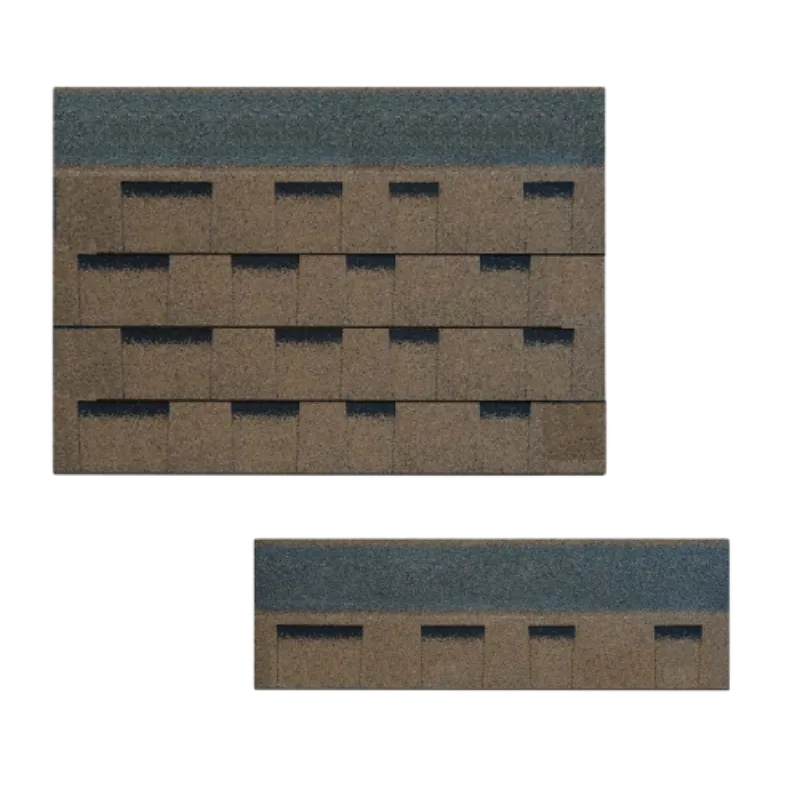
Architectural (laminated) shingles tend to last longer—often 25–30 years—while 3-tab (strip) shingles generally reach 15–20 years. Higher-grade asphalt shingles contain more fiberglass mat layers and UV-resistant coatings, improving durability.
2. Installation Practices
Proper installation is crucial. Poor nailing, incorrect flashing, or inadequate ventilation can shorten a roof’s functional life substantially. Experienced contractors and standard-compliant methods really make the difference.
3. Climate and Environmental Stress
Regions with frequent hailstorms, strong winds, or intense sun exposure accelerate shingle wear. Conversely, milder climates may let roofs last toward the higher end of their lifespan.
4. Maintenance and Inspection
Regular inspections, gutter cleaning, and minor repairs help extend a roof’s life. Ignoring small leaks or debris buildup can invite damage escalation.
5. Roof Slope and Ventilation
Steep slopes shed water and debris faster, reducing standing water risks, while good attic ventilation stabilizes temperatures and moisture levels, slowing shingle degradation.
Mini takeaway: An asphalt shingle roof’s lifespan isn’t fixed but influenced by multiple intertwining factors — from product specs to the environment it endures.
Product Specification Table: Common Asphalt Shingle Types
| Shingle Type | Average Lifespan | Material Composition | Price Range (per sq. ft.) |
|---|---|---|---|
| 3-Tab Asphalt Shingles | 15-20 years | Fiberglass mat with asphalt coating | $0.80 - $1.00 |
| Architectural (Dimensional) Shingles | 25-30 years | Multiple layers, fiberglass enhanced | $1.00 - $1.50 |
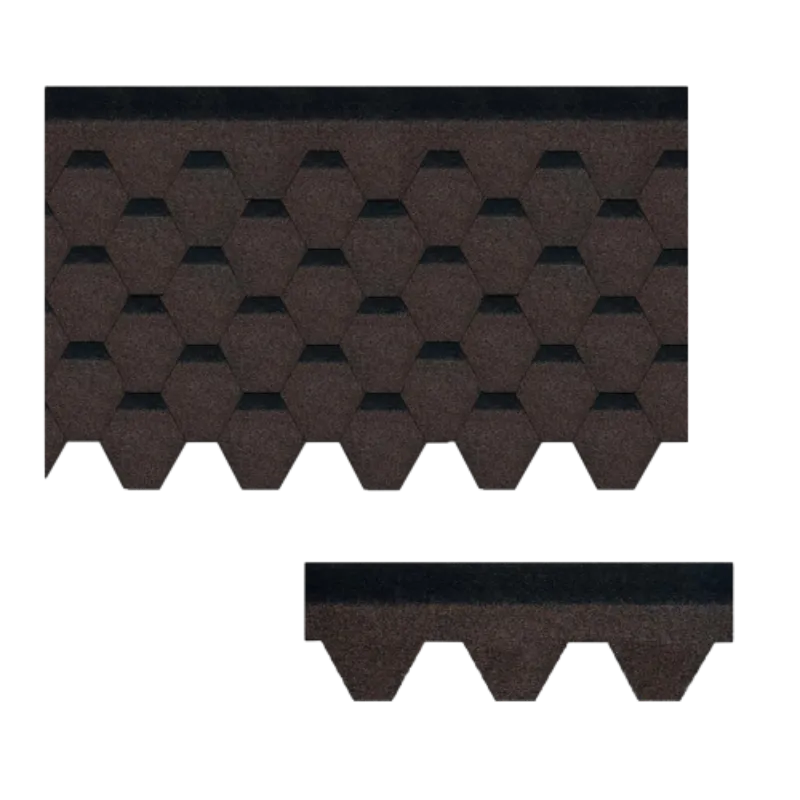
| Premium Designer Shingles | 30+ years | High-performance fiberglass, advanced coatings | $1.50 - $3.00 |
How Different Vendors Stack Up
| Vendor | Warranty Period | Average Customer Rating | Special Features |
|---|---|---|---|
| GAF | 25-50 years | 4.5/5 | StainGuard, WeatherBlocker tech |
| Owens Corning | 25-30 years | 4.3/5 | SureNail technology, algae resistance |
| CertainTeed | 30-50 years | 4.4/5 | Solar reflective, impact resistant |
Real-World Applications and Use Cases
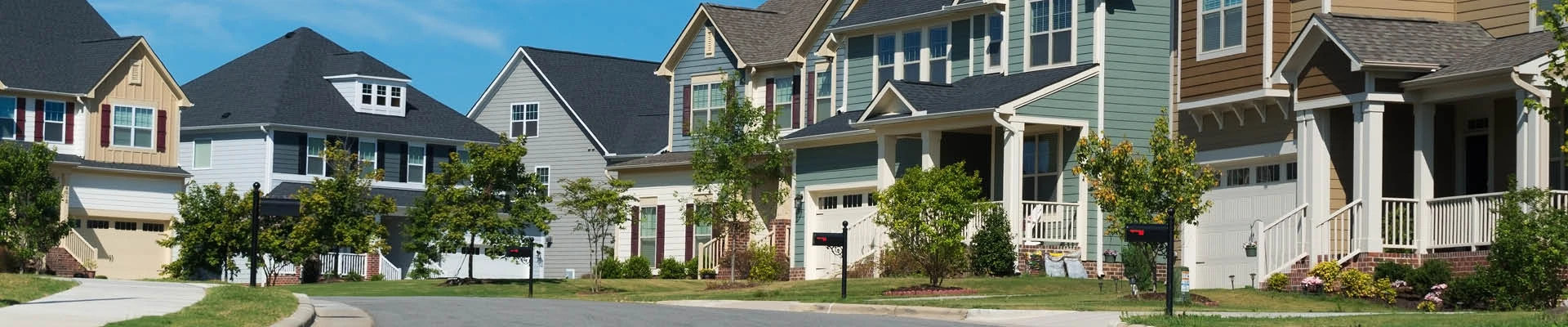
Whether it's the typical suburban house in Ohio or a community shelter in a tornado-prone area of Oklahoma, knowing how long the average asphalt shingle roof lasts affects everyday lives. In disaster relief zones, for example, quick installation of asphalt shingles provides a reliable shelter that can last years, protecting families until permanent rebuilding occurs. Similarly, remote industrial hubs depend on durable roofing for equipment protection and waste containment, where maintenance options are limited.
Oddly enough, many NGOs and housing projects have shifted toward higher quality laminated shingles due to their longer life and reduced replacement cycles, aligning with sustainable development goals (SDGs) promoted by the United Nations. So, it’s not just a practical choice but a strategic one at national and global levels.
Advantages & Long-Term Value
- Cost Efficiency: Asphalt shingles are affordable upfront, and a longer lifespan means fewer replacements and repairs.
- Sustainability: Improved materials reduce resource consumption, while proper disposal can limit environmental harm.
- Reliability: Proven resistance to weather elements keeps homes safer for decades.
- Emotional Security: Knowing your roof can last 20plus years offers peace of mind—there’s a subtle dignity in that stability.
- Innovation & Trust: Leading manufacturers continually improve technology, offering warranties that reflect confidence.
So it feels like asphalt shingles strike a solid balance of affordability, protection, and sustainability that keeps the industry ticking and families sheltered.
Future Trends & Innovations in Asphalt Roofing
As the industry looks ahead, green roofing solutions and digital quality control are reshaping expectations. Cool roof coatings that reflect sunlight and reduce heat absorption are increasingly common, helping homeowners save on energy bills. Automated installation drones and AI-powered inspection promise to improve quality and reduce human error. There’s also growing interest in recyclable shingles and bio-based materials, which might extend effective roof life while reducing landfill waste.
Common Challenges and How to Overcome Them
One persistent issue is premature shingle failure due to improper installation or poor ventilation. Experts recommend hiring certified installers and investing in roof inspections every few years. Moisture buildup can cause mold and wood rot underneath, so ventilating attics properly is critical. Also, extreme weather can cause isolated damage; proactive maintenance and quick repairs help avoid costly replacements.
FAQ: Frequently Asked Questions About How Long Does the Average Asphalt Shingle Roof Last
- Q: What factors most influence the lifespan of asphalt shingles?
- A: Quality of materials, installation expertise, climate conditions, roof slope, and maintenance all play vital roles. Neglect any one of these, and your roof's longevity can suffer.
- Q: Can a 3-tab shingle roof perform as well as architectural shingles?
- A: While 3-tab shingles cost less, they usually last shorter—about 15-20 years compared to 25-30 years for architectural types. Installation and care can improve either’s lifespan.
- Q: How often should I have my asphalt shingle roof inspected?
- A: Experts recommend at least once a year and after severe storms. Regular checks catch minor problems before they become major headaches.
- Q: Are there eco-friendly asphalt shingles available?
- A: Yes, some vendors offer shingles with recycled content and energy-efficient reflective coatings, which help reduce environmental impacts during and after their service life.
Conclusion: Why Knowing Your Asphalt Shingle Roof’s Lifespan Matters
So, how long does the average asphalt shingle roof last? Typically between 15 and 30 years, depending on many practical factors. This doesn’t just impact budgeting or scheduling a reroof—it’s central to resilience, sustainability, and the simple peace of mind that comes with knowing you’re protected. Frankly, it’s an essential piece of modern housing knowledge.
Curious to learn more about roofing lifespan, materials, or innovations? Visit our website: https://www.coolroofmaterials.com for detailed guides and expert advice.
After all, it’s your home—and your shelter—that’s on the line.
References:
1. National Roofing Contractors Association, Roofing Industry Data
2. World Bank Urban Development
3. Wikipedia: Asphalt Shingle
Latest news
-
Elevating Modern Design with High Quality Flat Mosaic Tiles
NewsApr.16,2026
-
Flat Liner Tile Guide for Roof Durability and Modern Aesthetics
NewsApr.09,2026
-
Exploring the Benefits of Durable Flat Interlocking Tiles for Modern Roofing Systems
NewsApr.07,2026
-
Choosing the Best Flat Interlocking Roof Tiles for Modern Homes
NewsApr.04,2026
-
Exploring the Versatility and Benefits of Flat Grey Tile for Modern Designs
NewsMar.31,2026
-
Comprehensive Guide to Choosing the Best Flat Grey Roof Tiles for Your Project
NewsMar.28,2026

Copyright © 2026 Hebei Chida Manufacture and Trade Co., Ltd. All Rights Reserved. Sitemap | Privacy Policy | Top Blog | Global Service