Choosing the right roofing material is one of the most significant investments a homeowner can make, often sparking the critical question: how long do metal roofs last on houses? Unlike traditional materials that may degrade within a few decades, modern metal roofing is engineered for extreme longevity, offering a robust shield against the elements while maintaining structural integrity for generations.
Understanding the lifespan of these systems requires a look at the evolution of metallurgy and coating technologies. Today's high-tech options, such as stone coated metal tiles, combine the strength of Al-Zn plates with the beauty of natural stone, ensuring that the question of how long do metal roofs last on houses is answered with confidence and long-term reliability.
Whether you are dealing with coastal salt air or mountain snow, the durability of these materials minimizes the need for frequent replacements. By exploring the technical specifications and installation quality, homeowners can truly understand how long do metal roofs last on houses and why they are becoming the global standard for sustainable construction.
Material Composition and Durability
The secret to the longevity of modern roofing lies in the base material. Stone coated metal roof tiles utilize a high corrosion-resistant Al-Zn plate, which provides a powerful defense against oxidation and rust. This metallurgical foundation is what primarily determines how long do metal roofs last on houses, as the alloy resists the degradation that typically plagues standard steel.
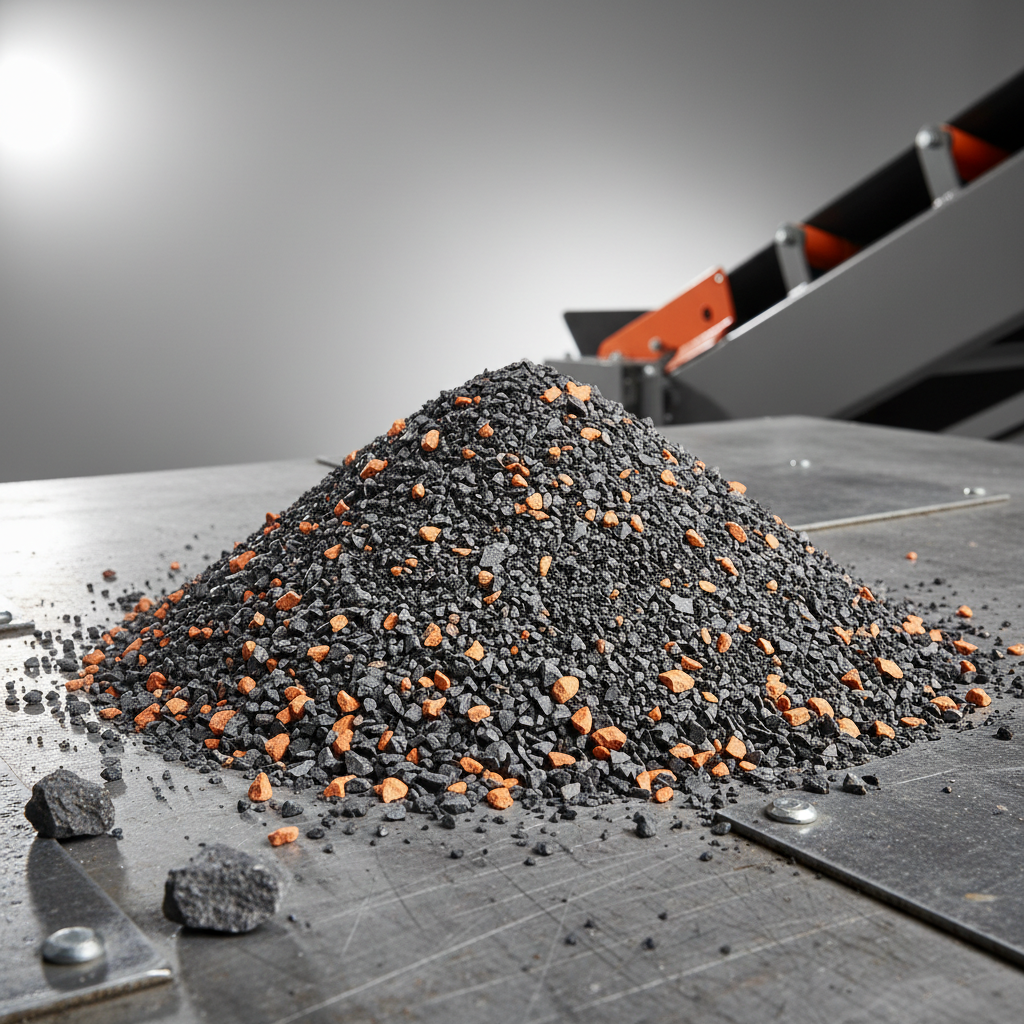
To further enhance this durability, a high-quality waterproof acrylic resin is used as an adhesive to bond natural stone particles or inorganic color pigments to the surface. This complex, environment-friendly high-tech layer protects the metal core from UV radiation and mechanical wear, ensuring the roof remains functional and aesthetically pleasing for decades.
Resistance to Extreme Environmental Stress
One of the most impressive features of stone coated metal roofing is its ability to withstand severe weather events. These roofs are specifically engineered to be fire resistant, hail resistant, and storm resistant, which directly contributes to the extended lifespan of the structure. When a roof can survive a major storm without significant damage, the total replacement cycle is pushed much further back.
Beyond wind and rain, these materials are designed to be earthquake resistant and wind resistant, making them ideal for high-risk geographic zones. The lightweight nature of the metal tile reduces the dead load on the building's structure, which is a critical safety factor during seismic activity. This resilience ensures that the home remains protected even in the face of natural disasters.
By combining the deep decorative properties of traditional clay tiles with the strength of modern metal, these roofs offer a dual layer of protection. This hybrid approach prevents the cracking and fragility common in ceramic options, effectively answering the concern of how long do metal roofs last on houses by providing a solution that is nearly impervious to standard environmental decay.
Comparative Lifespan Analysis
When comparing materials, homeowners often ask how long do metal roofs last on houses compared to asphalt shingles. Asphalt typically requires replacement every 15 to 20 years, whereas high-quality metal systems are designed to last significantly longer due to their superior resistance to rot and insect infestation.
The integration of Al-Zn plating ensures that the core structure does not corrode, meaning the question of how long do metal roofs last on houses is often answered with a timeframe that spans several decades. This longevity is further boosted by the stone coating, which acts as a thermal and physical shield.
In contrast to traditional clay tiles, which can be heavy and prone to cracking under freeze-thaw cycles, stone coated metal provides the same look with far greater flexibility. This versatility ensures that the roof does not succumb to structural fatigue, reinforcing the long-term value and endurance of the installation.
Cost Efficiency Over Time
While the initial investment for a stone coated metal roof may be higher than basic materials, the long-term cost-effectiveness is undeniable. Because these roofs are durable and easy to install, the lifecycle cost is significantly lower. You avoid the recurring expenses of patching, replacing, and disposing of short-lived roofing materials.
When considering how long do metal roofs last on houses, it becomes clear that a single installation can eliminate the need for two or three subsequent roof replacements. This reduction in "reduplicate execution" saves the homeowner thousands of dollars in labor and materials over a 50-year period.
Lifespan Performance Comparison
Global Applications in Diverse Climates
Stone coated metal roof tiles have gained international popularity because they are suitable for all sloping roofs regardless of the regional climate. From the humid tropical zones of Southeast Asia to the freezing winters of Northern Europe, the material's resistance to weathering makes it a primary trend in advanced roofing.
In remote industrial zones or post-disaster relief operations, the ease of installation and high strength make these tiles a preferred choice for rapid, high-quality reconstruction. Their ability to be applied to various structures—including wood, steel, and concrete—allows for seamless integration into both original buildings and modern architectural projects.
Installation and Structural Compatibility
One of the key advantages of this system is its compatibility with a wide array of roof slopes and structure types. Whether the building is framed with wood, steel, or concrete, stone coated metal tiles can be installed efficiently. This versatility simplifies the construction process and reduces the risk of installation errors that could otherwise compromise the roof's lifespan.
Because the material is lightweight yet strong, it does not require the heavy-duty reinforcement that traditional clay or concrete tiles demand. This means that when homeowners ask how long do metal roofs last on houses, the answer is often tied to the fact that the roof does not put undue stress on the house's supporting walls or trusses.
The "easy installation" aspect also means that specialized labor is less likely to make mistakes that lead to leaks. A precise installation ensures that the Al-Zn plate is fully protected and the acrylic resin is correctly bonded, maximizing the protective qualities of the stone coating for the long haul.
Future Trends in Roofing Longevity
The future of roofing is moving toward "Cool Roof" technologies, focusing on high reflectivity to reduce energy consumption. The integration of high reflective ceramic granules—like the HIREFLE series—allows roofs to bounce solar radiation away from the building. This not only lowers cooling costs but also protects the underlying metal from heat-induced expansion and contraction.
Digital transformation in manufacturing is also allowing for more precise Al-Zn alloy compositions, further extending the answer to how long do metal roofs last on houses. Automation in the coating process ensures a perfectly uniform layer of stone particles, eliminating weak points where corrosion could potentially start.
As global sustainability policies tighten, the use of environment-friendly, recyclable metal materials will only increase. The trend is shifting toward materials that offer a "cradle-to-cradle" lifecycle, where the roof lasts for a lifetime and can be fully recycled at the end of its use, combining ecological responsibility with unmatched durability.
Comparative Analysis of Roofing Material Longevity and Performance
| Material Type |
Expected Lifespan |
Maintenance Level |
Durability Score |
| Asphalt Shingles |
15-20 Years |
High |
4/10 |
| Traditional Clay |
40-60 Years |
Medium |
7/10 |
| Standard Steel |
30-50 Years |
Medium |
8/10 |
| Stone Coated Metal |
50+ Years |
Low |
10/10 |
| Concrete Tile |
30-50 Years |
Medium |
6/10 |
| Slate Roof |
75-100 Years |
Low |
9/10 |
FAQS
On average, a high-quality metal roof can last between 40 to 70 years. Stone coated metal roofs, specifically those using Al-Zn plates, often lean toward the higher end of this spectrum due to their superior corrosion resistance and protective stone layers, making them a lifelong investment for most homeowners.
Yes, the stone coating serves as a critical protective barrier. It shields the metal from direct UV exposure, reduces noise during rain, and prevents the metal from expanding and contracting excessively under heat. This layer prevents the base metal from weathering, significantly extending the overall life of the roof.
Absolutely. While clay tiles are durable, they are brittle and can crack during hail storms or earthquakes. Stone coated metal roofs are designed to be hail, storm, and earthquake resistant, providing the same aesthetic as clay but with the impact strength of metal.
Yes, these tiles are suitable for application to original buildings and can often be installed over various structures (wood, steel, concrete). However, it is always recommended to consult a professional to ensure the existing structure can support the additional layer without compromising safety.
High reflective ceramic granules (like HIREFLE) reflect solar energy, keeping the roof surface cooler. This reduces thermal stress on the material, preventing the warping or degradation of the acrylic resin adhesive, which in turn preserves the integrity of the roof over many decades.
Yes, the Al-Zn alloy provides superior corrosion protection compared to standard zinc galvanization. It creates a more stable protective oxide layer that is particularly effective in coastal or polluted environments, which is why it is the foundation for the longest-lasting metal roofs.
Conclusion
In summary, the question of how long do metal roofs last on houses is answered by the synergy of advanced metallurgy and innovative surface coatings. By combining Al-Zn plates with waterproof acrylic resins and natural stone particles, stone coated metal roofs offer a solution that is not only visually stunning but also exceptionally durable, fire-resistant, and weather-proof. These materials eliminate the cycle of frequent replacements, providing a cost-effective and sustainable alternative to traditional roofing.
Looking forward, the shift toward high-reflective "Cool Roof" materials and eco-friendly manufacturing will only further extend the utility and lifespan of these systems. For homeowners seeking a permanent solution that balances beauty, strength, and environmental responsibility, investing in a stone coated metal system is the most logical choice for long-term peace of mind. Visit our website for more information: www.coolroofmaterials.com