In the modern construction landscape, the demand for high-performance exterior solutions has led to the rise of innovative materials like zinc cladding tiles. These systems offer a sophisticated blend of aesthetic appeal and structural integrity, providing a protective shield for buildings against the harshest environmental elements. By integrating advanced metallurgy with architectural design, these solutions ensure that structures remain durable and visually striking over decades of exposure.
The shift toward sustainable and long-lasting building envelopes is driving the global adoption of metal-based roofing and cladding. Unlike traditional materials that may succumb to rot or erosion, zinc cladding tiles utilize the natural properties of Al-Zn alloys to create a self-healing protective layer. This technical advantage reduces maintenance costs and increases the overall lifecycle value of the property, making it a preferred choice for architects worldwide.
Whether applied to commercial complexes or residential luxury homes, the versatility of zinc cladding tiles allows for a wide range of sloping roof styles and structural supports, including wood, steel, and concrete. By combining the decorative essence of traditional clay with the strength of modern engineering, these materials represent the current international trend in advanced roofing technology.
The Technical Composition of Zinc Cladding Tiles
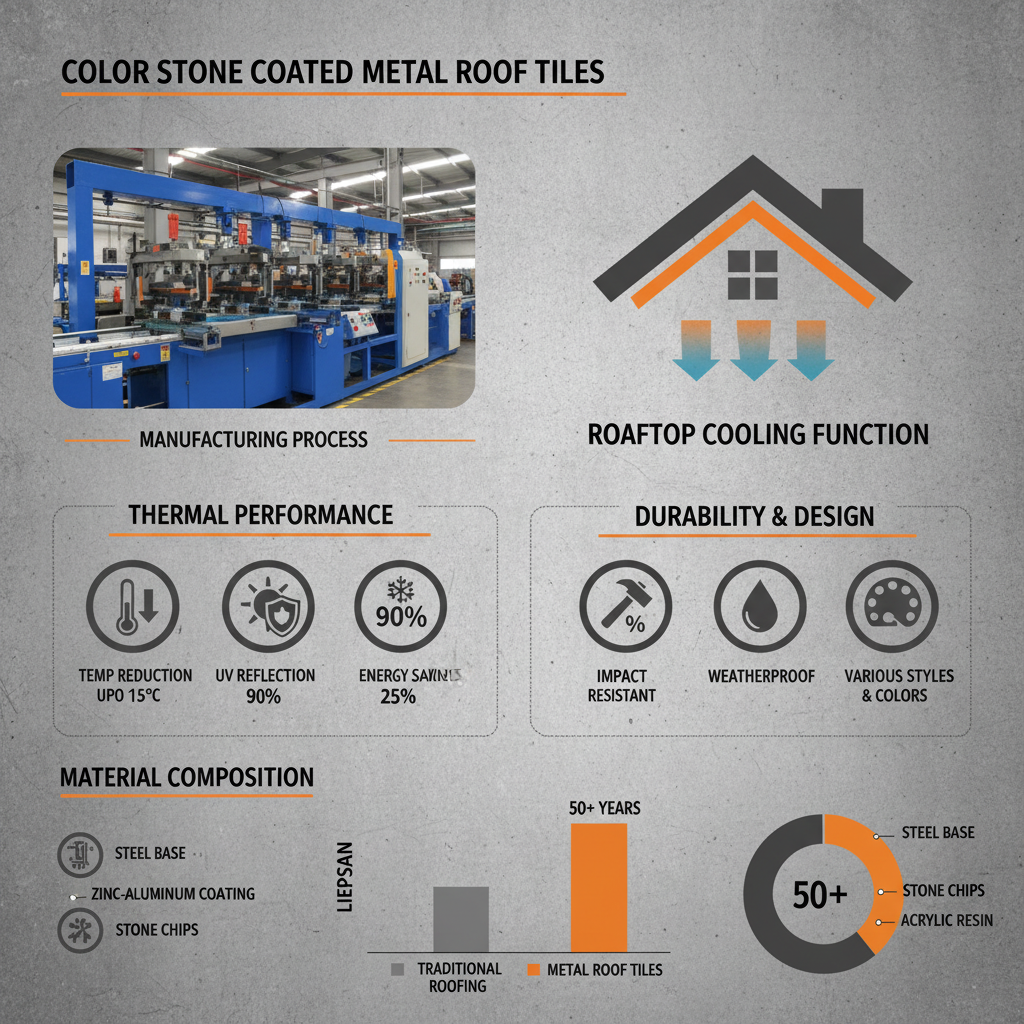
At the core of high-performance zinc cladding tiles is a high-corrosion-resistant Al-Zn plate. This metallic base provides the primary structural strength and the essential chemical resistance required to withstand oxidative stress in humid or coastal environments. By utilizing an aluminum-zinc alloy, the material achieves a superior balance between flexibility for installation and rigidity for protection.
To enhance the visual and protective qualities, these tiles incorporate a high-quality waterproof acrylic resin as an adhesive layer. This resin binds natural stone particles or inorganic color pigments to the surface, creating a finish that mimics the deep, natural decorative properties of traditional clay tiles while maintaining the lightweight advantages of modern metal engineering.
Global Industry Context and Market Relevance
The global construction industry is currently facing a critical challenge: the need for roofing materials that can survive increasingly volatile weather patterns. From sudden hail storms to intensifying seismic activities, traditional clay and concrete tiles often prove too heavy or brittle, leading to costly failures and safety hazards during natural disasters.
Market data indicates a significant shift toward "lightweighting" in the non-metallic mineral products sector. By replacing heavy masonry with composite metal solutions, developers can reduce the dead load on buildings, which is a critical requirement for meeting modern ISO safety standards and reducing the carbon footprint associated with structural reinforcement.
Consequently, zinc cladding tiles have emerged as a primary trend in international advanced roofing. They address the dual demand for traditional aesthetics and modern resilience, offering a solution that is not only fire-resistant and storm-proof but also significantly easier to install than conventional heavy-duty materials.
Core Components for Maximum Durability
The longevity of zinc cladding tiles is rooted in their multi-layered architecture. The first line of defense is the natural stone surface, which provides high weathering resistance and prevents UV degradation of the underlying layers, ensuring the color remains vivid for years.
Central to the system's integrity is the waterproof acrylic resin. This component ensures that moisture cannot penetrate the interface between the stone particles and the Al-Zn plate, effectively eliminating the risk of internal corrosion and maintaining the airtight seal of the building envelope.
Finally, the Al-Zn base plate provides the indispensable mechanical strength. This combination of materials allows zinc cladding tiles to be earthquake-resistant and wind-resistant, providing peace of mind for homeowners and commercial developers in high-risk geographic zones.
Performance Metrics Across Environmental Stressors
Evaluating the efficiency of roofing materials requires a look at how they handle extreme stress. Zinc cladding tiles are engineered specifically to outperform traditional materials in categories such as hail resistance and fire retardancy, making them an ideal choice for regions prone to wildfires or severe seasonal storms.
The following data reflects the relative performance of various protective methods compared to the integrated stone-coated Al-Zn system, highlighting why this specific composition is superior for long-term structural health.
Comparative Resilience Ratings for Zinc Cladding Tiles
Global Applications and Structural Versatility
Zinc cladding tiles are designed for universal application, meaning they are suitable for all sloping roofs regardless of the underlying structure. Whether the building utilizes a traditional wood frame, a modern steel skeleton, or a reinforced concrete slab, these tiles integrate seamlessly without requiring extensive modifications to the load-bearing system.
In practical real-world contexts, these materials are frequently deployed in remote industrial zones and post-disaster relief housing where rapid installation and immediate durability are paramount. Their ability to be applied to original buildings for renovation makes them a top choice for upgrading aging urban infrastructure to meet modern safety codes.
Long-Term Economic and Sustainability Value
From a financial perspective, the choice of zinc cladding tiles is highly cost-effective. While the initial investment may be comparable to premium traditional materials, the "reduplicate execution" (reduced need for replacement) and minimal maintenance requirements result in a significantly lower total cost of ownership over the building's lifespan.
Sustainability is another core advantage. The use of Al-Zn alloys means the material is largely recyclable, reducing the waste associated with roofing replacements. Furthermore, the lightweight nature of the tiles reduces the energy required for transportation and installation, aligning with global green building initiatives.
Beyond the logic of cost and ecology, there is an emotional value in the security these tiles provide. Knowing a home is protected by a fire-resistant, storm-proof, and earthquake-resistant shell provides homeowners with a sense of dignity and safety that traditional, fragile materials cannot offer.
Future Innovations in Metal Roofing Technology
The evolution of zinc cladding tiles is moving toward greater integration with "cool roof" technologies. By optimizing the inorganic color pigments and stone particles to reflect more infrared radiation, future iterations will further reduce the urban heat island effect, lowering indoor temperatures and decreasing reliance on air conditioning.
Digital transformation is also playing a role, with the adoption of BIM (Building Information Modeling) allowing architects to simulate exactly how these tiles will perform under specific wind-load conditions before a single tile is laid. This precision reduces material waste and optimizes the installation process.
As global policies push for net-zero emissions, the transition toward environment-friendly high-tech products like stone-coated metal tiles will accelerate. The industry is focusing on bio-based resins and recycled stone aggregates to ensure the entire lifecycle of the product is carbon-neutral.
Comparative Analysis of Roofing System Specifications
| Material Type |
Installation Speed |
Weather Resistance |
Lifespan Score |
| Stone Coated Al-Zn |
Very Fast |
Excellent |
10/10 |
| Traditional Clay |
Slow |
Moderate |
6/10 |
| Asphalt Shingle |
Fast |
Low |
5/10 |
| Concrete Tile |
Moderate |
High |
7/10 |
| Pure Zinc Sheet |
Moderate |
Very High |
9/10 |
| Composite Polymer |
Fast |
Moderate |
6/10 |
FAQS
Unlike clay tiles, which are brittle and prone to cracking under impact or seismic stress, stone-coated zinc cladding tiles use an Al-Zn alloy base. This provides immense structural flexibility and strength, making them hail-resistant and earthquake-resistant. Additionally, the acrylic resin and stone coating prevent the metal from corroding, combining the durability of steel with the weather-resistance of natural stone.
Yes, they are highly suitable for original buildings. Because they are lightweight, they can often be installed over existing structures without requiring the reinforcement of the roof trusses. They work seamlessly with wood, steel, and concrete bases, making them an efficient choice for renovation projects aiming to increase fire and storm resistance.
Absolutely. One of the primary advantages of the Al-Zn base is its high melting point and non-combustible nature. Unlike asphalt shingles, which can ignite or melt during a fire, these metal-based tiles act as a protective shield, significantly slowing the spread of fire to the interior of the building.
The interlocking design and the strength of the Al-Zn plate make these tiles exceptionally wind-resistant. They are engineered to withstand high-velocity winds and heavy rain without lifting or leaking, provided they are installed according to specifications. This makes them ideal for coastal regions or areas prone to hurricanes.
No, the tiles use a professional-grade waterproof acrylic resin as an adhesive. This resin is specifically formulated to bond the natural stone particles permanently to the metal surface. When combined with the inorganic pigments, the surface remains stable and resistant to weathering, peeling, or fading over several decades.
Yes, they are considered high-tech, environment-friendly products. The Al-Zn alloy is highly recyclable, and the lightweight nature of the tiles reduces transportation emissions. Furthermore, their long lifespan means fewer replacements over time, significantly reducing the amount of construction waste sent to landfills compared to traditional roofing.
Conclusion
In summary, zinc cladding tiles represent a pinnacle of roofing engineering, blending the timeless beauty of natural stone with the indestructible nature of Al-Zn alloys. By solving the critical issues of weight, fragility, and corrosion found in traditional materials, they provide a comprehensive solution for modern architecture. From their exceptional resistance to fire and storms to their seamless integration with various structural supports, these tiles ensure long-term safety and aesthetic value for any property.
Looking forward, as the construction industry continues to embrace sustainability and resilience, the adoption of such advanced metal roofing will only grow. We recommend that developers and homeowners prioritize materials that offer this level of multi-layered protection to safeguard their investments against an unpredictable climate. For more information on high-performance roofing solutions, visit our website: www.coolroofmaterials.com.