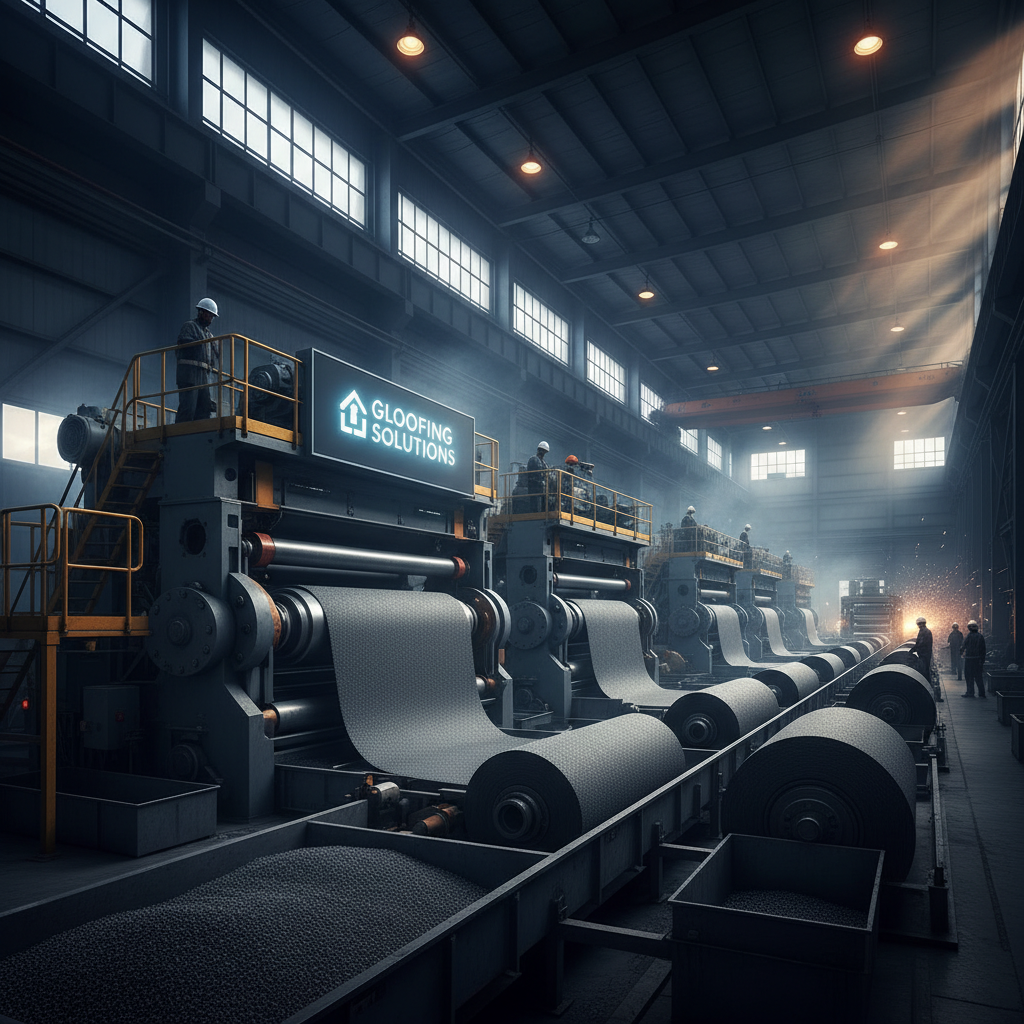
Understanding the metal tile roof cost per square foot is essential for homeowners and developers looking to balance long-term durability with initial investment. In the modern construction landscape, the shift toward high-performance materials has made it necessary to evaluate roofing not just by the purchase price, but by the total value delivered over the lifespan of the structure.
Across global markets, the demand for resilient infrastructure is rising due to increasingly volatile weather patterns. Analyzing the metal tile roof cost per square foot allows stakeholders to compare traditional clay or asphalt options against advanced composite solutions, ensuring that the chosen material can withstand environmental stressors while remaining budget-compliant.
For those seeking a blend of aesthetic elegance and industrial strength, calculating the metal tile roof cost per square foot provides a clear roadmap for project budgeting. By investing in stone coated metal roof tiles, owners can achieve a high-end look with superior resistance to fire, hail, and wind, effectively reducing future maintenance expenses.
The Composition of Stone Coated Metal Roofing
Stone coated metal roof tiles represent a sophisticated fusion of traditional aesthetics and modern engineering. At its core, the product utilizes a high-corrosion-resistant Al-Zn plate, which provides the structural integrity and longevity required for harsh environments. This metal base is then bonded with a high-quality waterproof acrylic resin, serving as a powerful adhesive for the final layer of natural stone particles or inorganic color pigments.
This multi-layered approach ensures that the material retains the deep, natural decorative properties of traditional clay tiles while incorporating the light weight and strength of modern metal. Because it combines these elements, the resulting product is an environment-friendly, high-tech solution that significantly alters how we perceive the metal tile roof cost per square foot in terms of overall value.
Analyzing Global Cost Factors for Metal Tiles
When evaluating the metal tile roof cost per square foot, it is important to consider the global supply chain and material standards. The use of Al-Zn alloys reflects an international trend toward materials that prevent oxidation and rust, which is a primary concern in coastal or high-humidity regions. By utilizing high-grade alloys, manufacturers can ensure a longer product lifecycle, which justifies the initial investment compared to cheaper, non-coated alternatives.
Labor and installation efficiency also play a critical role in the final pricing. Stone coated metal tiles are designed for easy installation, which reduces the man-hours required for a full roof replacement. Unlike heavy clay tiles that may require reinforced roof trusses, the lightweight nature of metal tiles allows them to be installed on various structures—including wood, steel, and concrete—without expensive structural upgrades.
Finally, the cost per square foot is influenced by the quality of the stone granules and acrylic resins used. High-weathering particles ensure that the roof does not fade under intense UV exposure, maintaining the home's curb appeal and property value over several decades. This intersection of material science and architectural design makes these tiles a preferred choice for modern international roofing projects.
Durability and Weather Resistance Performance
One of the most significant advantages that offsets the metal tile roof cost per square foot is the unparalleled durability of the material. These tiles are engineered to be fire-resistant, hail-resistant, and storm-resistant, providing a level of security that traditional asphalt shingles cannot match. In regions prone to extreme weather, this resilience prevents frequent repairs and total roof failures.
Beyond wind and rain, the structural integrity of stone coated tiles makes them earthquake-resistant. Because they are lightweight and securely fastened to the roof deck, they are far less likely to shift or collapse during seismic events compared to heavy ceramic tiles. This safety factor is a hidden value when calculating the real metal tile roof cost per square foot.
The combination of an Al-Zn base and a protective stone coating ensures that the roof remains impervious to corrosion. This makes the product suitable for all sloping roofs, regardless of the environmental stressors. When you factor in the lack of need for periodic painting or chemical sealing, the long-term metal tile roof cost per square foot becomes incredibly competitive.
Cost-Effectiveness vs Traditional Materials
To truly understand the value, one must compare the metal tile roof cost per square foot against the lifelong expenses of other materials. While asphalt shingles may have a lower initial price, they often require replacement every 15 to 20 years. In contrast, stone coated metal tiles are designed for permanent installation, eliminating the cycle of repeated teardowns and reinstallations.
Furthermore, the reduction in structural load allows for more flexibility in building design. Since the material is light, it reduces the stress on the building's frame, potentially lowering the cost of the underlying support structure. This systemic saving often offsets the higher per-square-foot material cost of premium metal tiles.
Comparative Value Analysis: metal tile roof cost per square foot
Versatility in Architectural Application
Stone coated metal roof tiles are remarkably versatile, making them suitable for a wide array of architectural styles. Whether a project requires the rustic look of Mediterranean clay or the sleek lines of modern industrial design, these tiles can be adapted to fit. This versatility means that the metal tile roof cost per square foot provides a multipurpose solution for diverse building portfolios.
Beyond new constructions, these tiles are ideal for original buildings undergoing renovation. They can be applied directly over existing roof structures in many cases, which further minimizes the labor costs associated with demolition. This adaptability ensures that homeowners can upgrade their protection without a complete structural overhaul.
Long-Term Value and Maintenance Savings
The true financial benefit of investing in stone coated metal tiles is found in the drastic reduction of maintenance requirements. Traditional roofs often suffer from cracking, leaking, or algae growth, requiring constant upkeep. Because these metal tiles use a high-quality waterproof acrylic resin and corrosion-resistant Al-Zn plates, they effectively eliminate these common issues.
From a logical perspective, the metal tile roof cost per square foot should be viewed as an insurance policy against future failures. The peace of mind knowing that your home is resistant to fire, wind, and hail adds an intangible but significant value to the property. It transforms the roof from a recurring expense into a permanent asset.
Moreover, the eco-friendly nature of these materials contributes to sustainable building practices. By reducing the need for frequent replacements, we decrease the amount of roofing waste sent to landfills. This alignment with green building standards increases the long-term marketability and dignity of the property.
Future Innovations in Roofing Technology
As we look toward the future, the evolution of the metal tile roof cost per square foot will be driven by advancements in material science. We are seeing a trend toward "Cool Roof" technologies, such as high-reflective ceramic granules, which help reduce heat absorption. This not only lowers energy bills for the occupant but also reduces the urban heat island effect in densely populated cities.
Automation in manufacturing is also expected to drive costs down while increasing precision. With the integration of digital design and robotic application of stone coatings, tiles can be customized more accurately to specific roof slopes and complexities, reducing material waste during installation and improving the efficiency of the overall project.
Sustainability will remain the core driver of innovation. The shift toward 100% recyclable metal bases and bio-based resins will ensure that the roofing industry meets stringent international environmental regulations. This ensures that the choice of metal tiles remains the most forward-thinking decision for any modern construction project.
Comparison of Stone Coated Metal vs. Traditional Roofing Performance
| Material Type |
Lifespan (Years) |
Weather Resistance |
Maintenance Level |
| Stone Coated Metal |
50+ Years |
Exceptional (Wind/Fire/Hail) |
Very Low |
| Traditional Clay |
30-50 Years |
Moderate (Fragile to Hail) |
Medium |
| Asphalt Shingles |
15-20 Years |
Low (Prone to Wind Lift) |
High |
| Concrete Tiles |
30-40 Years |
High (Heavy Weight) |
Medium |
| Standard Steel |
25-40 Years |
High (Prone to Corrosion) |
Medium |
| Wooden Shakes |
15-30 Years |
Very Low (Fire Risk) |
Very High |
FAQS
Generally, the material cost per square foot is quoted separately from labor. However, because stone coated metal tiles are designed for easy installation and are lightweight, the labor costs are typically lower than those for heavy clay or concrete tiles. To get a total project estimate, it is recommended to combine the material price with a quote from a certified professional installer familiar with Al-Zn plating systems.
Stone coated metal tiles are significantly lighter than traditional clay tiles. This weight difference is a key advantage because it eliminates the need for reinforced roof trusses in most cases. This reduction in structural requirements can lower the overall cost of the build, making the effective metal tile roof cost per square foot more attractive when viewed as part of the total construction budget.
Yes. The combination of the high-strength Al-Zn metal base and the protective acrylic-bonded stone granules makes these tiles exceptionally resilient. They are specifically engineered to be hail-resistant, wind-resistant, and fire-resistant. Unlike clay tiles, which can crack, or asphalt shingles, which can blow away, these tiles are securely fastened and flexible enough to withstand severe atmospheric pressure.
These tiles are suitable for all sloping roofs. Whether the slope is steep or shallow, the interlocking design and lightweight nature of the tiles ensure a secure fit. They can be installed on various structural bases, including wood, steel, and concrete, and are an excellent choice for both new constructions and the renovation of original buildings.
Because the tiles use high-weathering natural stone particles and inorganic color pigments, they are highly resistant to UV degradation. While all materials experience some change over decades, stone coated metal tiles maintain their deep, natural appearance far longer than painted metal or asphalt. This durability ensures that the initial metal tile roof cost per square foot provides lasting aesthetic value.
Yes, they are considered an environment-friendly high-tech product. The longevity of the material means far fewer replacements over a century, reducing landfill waste. Additionally, the metal components are recyclable, and the use of a durable acrylic resin reduces the need for toxic chemical sealants often used in other roofing systems.
Conclusion
In summary, analyzing the metal tile roof cost per square foot reveals that stone coated metal roofing is not merely a material choice, but a strategic long-term investment. By combining the aesthetic appeal of traditional clay with the strength and lightness of Al-Zn plated steel, these tiles provide an unmatched balance of durability, weather resistance, and cost-efficiency. From their ability to withstand earthquakes and storms to their minimal maintenance requirements, these tiles offer a sustainable solution for diverse architectural needs.
As the industry moves toward greener technology and smarter materials, choosing a high-performance roofing system is the most effective way to protect your property and increase its future value. We encourage homeowners and developers to look beyond the initial price tag and consider the lifetime savings and safety provided by this innovative technology. For more information on premium roofing solutions, visit our website: www.coolroofmaterials.com.