Selecting the right roofing material is a critical decision for any property owner, as the roof serves as the primary shield against environmental degradation. Among the most common options, understanding the various types of roof asphalt shingles is essential for balancing aesthetic appeal with long-term structural protection. These materials have evolved significantly, offering a versatile range of styles and protective qualities that cater to diverse architectural needs worldwide.
From a global industrial perspective, the demand for reliable waterproofing and fireproof solutions has pushed the development of advanced shingle technologies. Modern construction standards now prioritize materials that not only look natural but also offer resistance to acid, alkali, and extreme weather conditions. By analyzing the technical specifications of different roofing options, homeowners and contractors can ensure they choose a system that maximizes the lifespan of the building.
Whether you are dealing with complex geometric roof shapes or looking for a lightweight alternative to reduce load-bearing pressure, exploring the types of roof asphalt shingles and their modern alternatives can lead to significant cost savings. Understanding these options allows for a more informed choice between traditional asphalt and innovative solutions like stone coated metal tiles, ensuring safety and durability.
Understanding the Fundamentals of Roofing Materials
The foundational goal of any roofing system is to provide an impermeable barrier against water and fire. When examining the types of roof asphalt shingles, it becomes clear that the industry has moved toward materials that offer a "soft texture" and flexibility, allowing them to be freely cut and adapted to complex geometric shapes. This adaptability is crucial for modern architectural designs that deviate from simple gable or hip roofs.
Beyond aesthetics, the physical weight of the material plays a pivotal role in structural stability. Lightweight roofing options are increasingly preferred because they significantly reduce the load-bearing pressure on the roof's supporting frame. This not only enhances the overall stability of the building but also simplifies the logistics of transportation, storage, and on-site construction.
Core Technical Properties of Modern Shingles
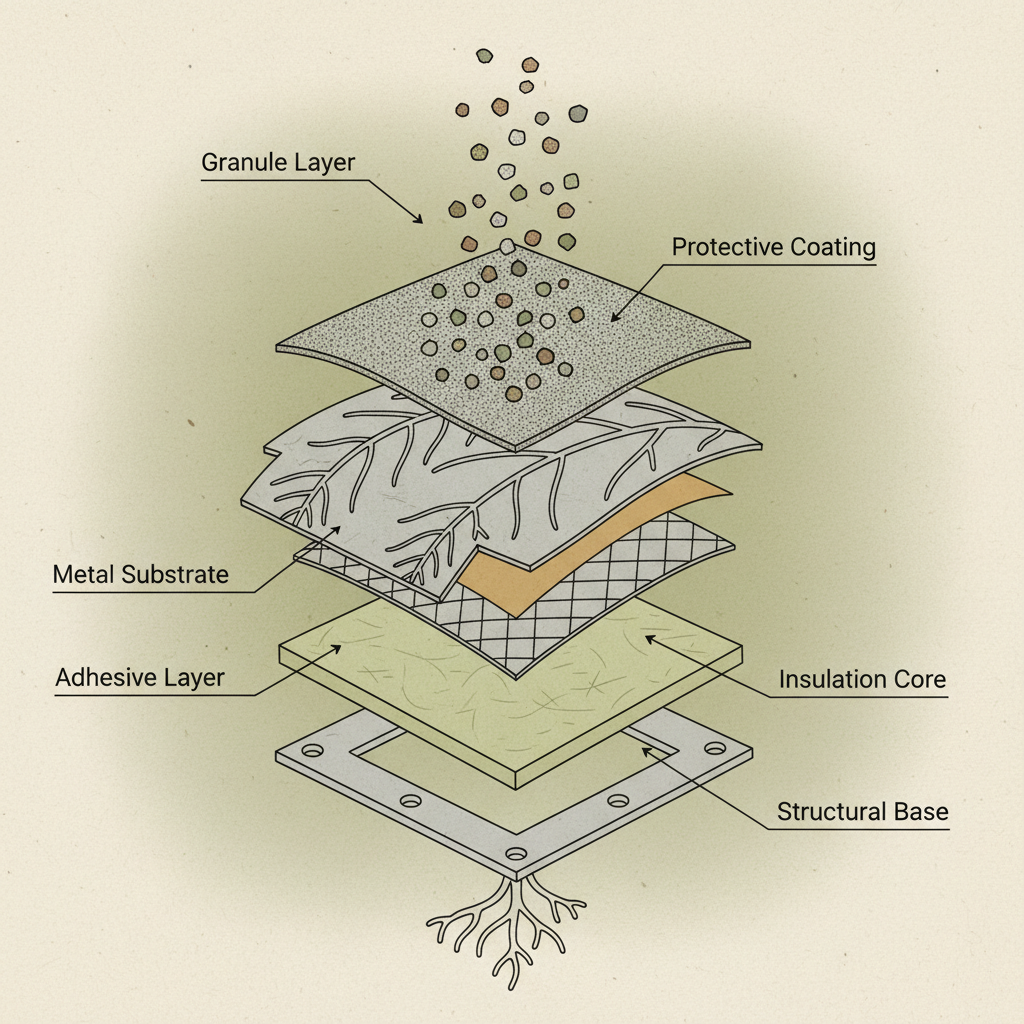
Durability in roofing is defined by a material's ability to withstand multi-faceted environmental stressors. High-quality roofing options must be waterproof and fireproof to ensure the safety of the occupants and the integrity of the structure. The integration of specialized granules and coatings helps in reflecting heat and preventing the degradation of the underlying layers.
Another critical factor is the resistance to chemical erosion, specifically acid and alkali resistance. In industrial zones or areas with high pollution, roofs are exposed to corrosive precipitation. Materials that can maintain their structural integrity despite these chemical attacks prevent premature aging and leaking, thereby extending the replacement cycle of the roof.
Windproofing is the final pillar of technical performance. A roof must be able to withstand high-velocity winds without lifting or tearing. By utilizing secure interlocking mechanisms or advanced adhesives, modern roofing systems ensure that shingles remain in place even during severe storms, providing consistent protection year-round.
Comparison of Performance Metrics
When evaluating different types of roof asphalt shingles, it is important to consider how material composition affects long-term performance. Traditional options provide a baseline for cost and accessibility, but the evolution of synthetic and stone-coated alternatives has raised the bar for what is expected in terms of longevity and weather resistance.
One of the most significant advantages of modern iterations of types of roof asphalt shingles is the ability to customize colors and shapes. This flexibility allows the roofing to blend seamlessly with the surrounding environment while providing the necessary waterproof and anti-aging properties required for harsh climates.
Ultimately, the choice between various types of roof asphalt shingles depends on the specific needs of the sloping roof. For those prioritizing easy installation and cost-effectiveness without sacrificing fireproof capabilities, the balance of lightweight materials and rich colors offers an optimal solution for both residential and commercial projects.
Economic Value and Installation Efficiency
The cost-effectiveness of a roofing project is measured not just by the initial purchase price but by the total cost of ownership over time. Materials that are easy to operate and install reduce labor costs significantly. When a product can be freely cut and easily transported, the time spent on site is minimized, leading to faster project completion and reduced overhead.
Furthermore, the lightweight nature of these materials translates to lower shipping costs and easier handling for construction crews. By reducing the stress on the roof's structural components, there is also a lower likelihood of needing expensive structural reinforcements, making the overall building process more affordable.
Performance Ratings for Various Roofing Options
Global Applications for Sloping Roofs
Across different continents, the application of sloping roofs varies based on climate and local building codes. In regions prone to heavy snowfall, the use of materials that prevent ice damming and are highly waterproof is paramount. The ability to install these materials on slopes of varying degrees makes them a universal choice for diverse geographies.
In remote industrial zones or disaster-relief housing, the speed of deployment is the most critical factor. Lightweight, easy-to-operate roofing materials allow for rapid construction of shelters and facilities, providing immediate protection from the elements while maintaining a level of structural stability that traditional heavy tiles cannot offer.
Environmental Resistance and Longevity
Long-term value in roofing is achieved when a material can resist the natural process of aging. Anti-aging additives and high-quality surface granules prevent the shingles from becoming brittle under intense UV exposure. This ensures that the roof remains flexible and watertight for decades rather than years.
When we consider the various types of roof asphalt shingles, the integration of fireproof and windproof properties provides peace of mind to the owner. The ability to withstand extreme heat without melting or warping, combined with a surface that does not easily erode, ensures that the building's interior remains protected regardless of the external environment.
Moreover, the resistance to acids and alkalis is a silent but essential feature. Whether it is salt spray in coastal regions or industrial smog in urban centers, a chemically resistant surface prevents the pitting and discoloration that typically plague lower-grade roofing materials.
Innovative Trends in Roof Protection
The future of roofing is leaning heavily toward "cool roof" technology, which focuses on reflecting more sunlight and absorbing less heat. By using high-reflective ceramic granules, modern roofing systems can significantly lower the internal temperature of a building, reducing the reliance on air conditioning and lowering energy costs.
Another trend is the hybrid approach, where the look of traditional shingles is combined with the strength of metal. Stone coated metal roof tiles are emerging as a superior alternative, offering the aesthetic of asphalt with vastly improved durability and a longer lifecycle, effectively solving the problem of frequent replacements.
Sustainability is also driving innovation, with a focus on recyclable materials and reduced carbon footprints during production. The industry is moving toward a circular economy where roofing components can be repurposed, reducing the amount of construction waste that ends up in landfills.
Comparative Analysis of Modern Roofing Material Specifications
| Material Type |
Weather Resistance |
Installation Ease |
Lifespan Score |
| Standard Asphalt |
Moderate |
High |
6/10 |
| Architectural Shingle |
High |
Medium |
8/10 |
| Stone Coated Metal |
Very High |
Medium |
10/10 |
| Cool Roof Ceramic |
Excellent (Heat) |
High |
9/10 |
| Composite Shingle |
High |
High |
8/10 |
| Basic Felt/Roll |
Low |
Very High |
4/10 |
FAQS
Lightweight roofing, such as various types of roof asphalt shingles or stone coated metal, reduces the dead load on the building's structure. This increases overall stability, lowers the cost of structural reinforcement, and makes the transportation and installation process significantly faster and more cost-effective.
Fireproof and waterproof ratings are the most critical safety metrics. A high rating ensures that the roof can prevent external fire from entering the building and stop water leakage during heavy rain. These properties are essential for maintaining the interior's dryness and the occupants' safety.
Yes, one of the key features of modern asphalt and composite shingles is their flexibility. They can be freely cut and shaped to fit complex geometric rooflines, making them ideal for modern architectural designs where traditional rigid tiles would be difficult to install.
Acid and alkali resistance means the material can withstand corrosive environmental factors, such as acid rain or chemical pollutants in industrial areas. This prevents the surface from eroding or discoloring, which preserves the waterproof seal and extends the roof's total lifespan.
Absolutely. Stone coated metal tiles provide the same aesthetic appeal as asphalt shingles but offer superior durability, wind resistance, and a much longer lifespan. They are an excellent investment for those looking for a "once-in-a-lifetime" roofing solution.
Reflective ceramic granules increase the solar reflectance of the roof. By reflecting a larger portion of the sun's infrared radiation, the roof surface stays cooler, which reduces the amount of heat transferred into the building, thereby lowering cooling costs during summer.
Conclusion
In summary, choosing from the various types of roof asphalt shingles and their modern counterparts requires a careful balance of technical performance and economic viability. By prioritizing features such as waterproofing, fireproofing, and lightweight construction, property owners can ensure a roof that is not only aesthetically pleasing but also structurally sound. The transition toward more durable, acid-resistant, and reflective materials represents a significant leap in construction technology, providing long-term security and efficiency.
As we look toward the future, the integration of sustainable materials and "cool roof" technologies will continue to redefine the industry. For those seeking a combination of elegance and extreme durability, exploring high-performance alternatives like stone coated metal tiles is highly recommended. To find the perfect roofing solution for your next project, visit our website: www.coolroofmaterials.com