
Mar . 19, 2026 02:15 Back to list
Explore the Modern Elegance of Flat Edge Tile for Interior Design
Understanding Flat Edge Tile: A Comprehensive Guide
When designing or renovating a space, the choice of tile plays a crucial role in both aesthetics and functionality. Flat edge tiles are becoming increasingly popular for their sleek, modern look and ease of installation. This article delves into the benefits, applications, and considerations when choosing flat edge tiles, offering valuable insights for homeowners, architects, and contractors. We’ll explore why these tiles are a smart investment for a variety of projects.
What are Flat Edge Tiles?
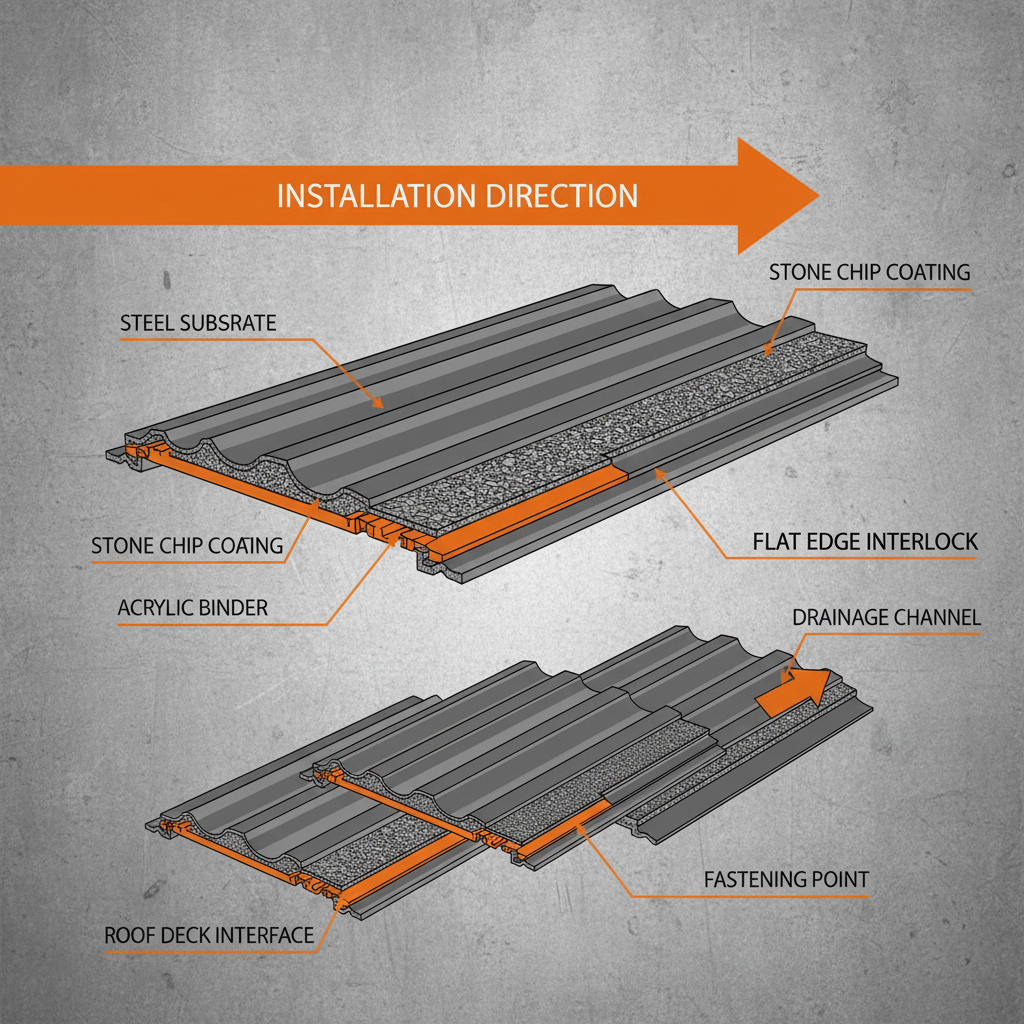
Unlike traditional tiles with beveled or rounded edges, flat edge tiles, as the name suggests, feature a perfectly flat edge on all sides. This creates a seamless and contemporary appearance, minimizing grout lines and maximizing the visual impact of the tile itself. They are available in a wide range of materials, including porcelain, ceramic, glass, and stone, offering versatility for different design preferences and budgetary constraints. Cool Roof Materials offers a comprehensive selection of high-quality flat edge tiles.
Key Benefit: The sleek, modern aesthetic of flat edge tiles elevates the look of any space, offering a contemporary and sophisticated feel.
The Advantages of Choosing Flat Edge Tiles
Flat edge tiles offer numerous benefits over traditional tiles. Their precise edges allow for tighter grout lines, creating a more uniform surface. This makes cleaning easier and reduces the potential for mold and mildew growth. The streamlined appearance complements modern and minimalist design styles perfectly. Furthermore, the flat surface provides excellent light reflection, making spaces appear brighter and more open. Explore the advantages and product range at Cool Roof Materials.
Key Advantages:
• Tighter grout lines for easier cleaning.
• Modern and minimalist aesthetic.
• Enhanced light reflection for brighter spaces.
• Reduced potential for mold and mildew.
Flat Edge Tile vs. Beveled Edge Tile: A Direct Comparison
Choosing between flat edge and beveled edge tiles often comes down to personal preference and the desired aesthetic. Beveled edge tiles offer a more traditional look, with a slight angle that can soften the appearance of a space. However, this bevel also creates wider grout lines, requiring more maintenance. Flat edge tiles, on the other hand, provide a clean, contemporary aesthetic with minimal grout lines. The following table highlights the key differences:
Applications of Flat Edge Tiles
The versatility of flat edge tiles makes them suitable for a wide range of applications. They are commonly used for flooring in living areas, kitchens, and bathrooms. They also excel as wall coverings, creating seamless backsplashes and shower surrounds. Additionally, flat edge tiles are ideal for creating feature walls or accent panels, adding a touch of sophistication to any space. Browse our project gallery for inspiration.
Choosing the Right Flat Edge Tile: Materials and Considerations
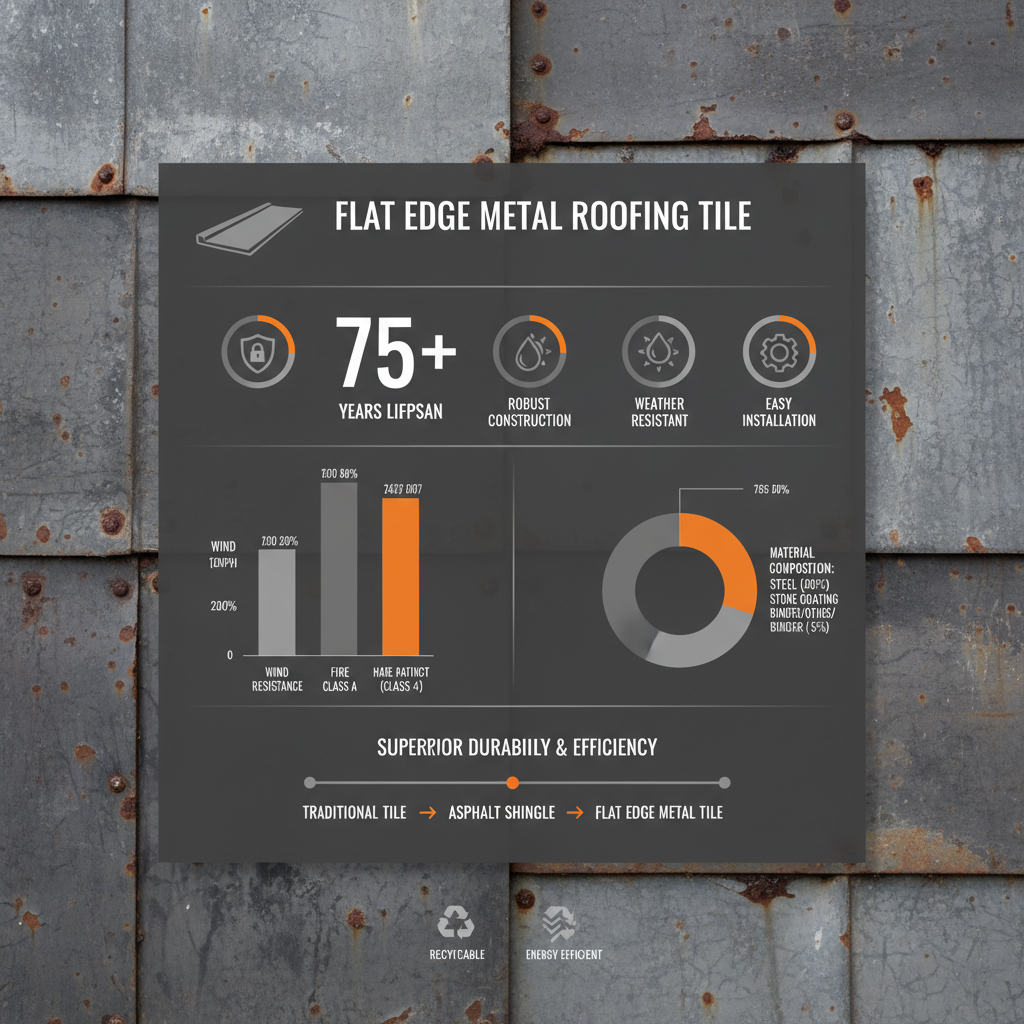
When selecting flat edge tiles, consider the material, size, and finish. Porcelain tiles are known for their durability and resistance to moisture, making them ideal for bathrooms and kitchens. Ceramic tiles offer a more affordable option, while glass tiles add a touch of elegance and reflectivity. Stone tiles provide a natural and luxurious look. Also, consider the tile’s PEI rating (Porcelain Enamel Institute) which indicates its resistance to abrasion – higher ratings are best for high-traffic areas. Cool Roof Materials provides detailed product specifications to assist you in your selection.
Conclusion: Elevate Your Space with Flat Edge Tiles
Flat edge tiles offer a sleek, modern, and practical solution for a wide range of tiling projects. Their minimal grout lines, ease of cleaning, and versatile design make them a standout choice for homeowners and designers alike. By choosing Cool Roof Materials, you're investing in quality and style.
Frequently Asked Questions (FAQs)
What is the best way to clean flat edge tiles?
Due to the minimal grout lines, cleaning flat edge tiles is relatively straightforward. Regular sweeping or vacuuming will remove loose dirt and debris. For deeper cleaning, use a mild detergent diluted in warm water. Avoid abrasive cleaners, as they can damage the tile surface. A microfiber mop is ideal for achieving a streak-free finish. Promptly wipe up any spills to prevent staining.
Are flat edge tiles more difficult to install?
While the installation process is similar to traditional tiles, flat edge tiles require more precision to ensure a seamless appearance. Proper subfloor preparation is crucial, and tiles must be laid perfectly level to avoid any lippage (uneven edges). Professional installation is recommended, especially for larger projects or for those unfamiliar with tiling. A skilled installer will ensure a flawless finish.
What grout color should I use with flat edge tiles?
The choice of grout color depends on the desired aesthetic. For a seamless look, choose a grout color that closely matches the tile color. This minimizes the visibility of the grout lines and creates a more unified appearance. Alternatively, a contrasting grout color can be used to highlight the tile pattern and add visual interest. Consider the overall design of the space when selecting a grout color.
Are flat edge tiles suitable for floors with radiant heating?
Yes, many flat edge tiles, particularly porcelain and ceramic, are suitable for use with radiant heating systems. However, it's essential to choose tiles specifically rated for radiant heat and to follow the manufacturer's installation guidelines. Ensure the adhesive and grout are also compatible with radiant heating. Proper installation and temperature control are crucial to prevent cracking or damage to the tiles.
Latest news
-
Elevating Modern Design with High Quality Flat Mosaic Tiles
NewsApr.16,2026
-
Flat Liner Tile Guide for Roof Durability and Modern Aesthetics
NewsApr.09,2026
-
Exploring the Benefits of Durable Flat Interlocking Tiles for Modern Roofing Systems
NewsApr.07,2026
-
Choosing the Best Flat Interlocking Roof Tiles for Modern Homes
NewsApr.04,2026
-
Exploring the Versatility and Benefits of Flat Grey Tile for Modern Designs
NewsMar.31,2026
-
Comprehensive Guide to Choosing the Best Flat Grey Roof Tiles for Your Project
NewsMar.28,2026
Copyright © 2026 Hebei Chida Manufacture and Trade Co., Ltd. All Rights Reserved. Sitemap | Privacy Policy | Top Blog | Global Service