
Jan . 06, 2026 03:30 Back to list
Durable Red Roman Roof Tiles for Industrial Buildings | Classic & Practical
Red Roman Roof Tiles: Durable Charm for Every Industrial Building
Having spent a good chunk of my career navigating the ins and outs of industrial construction materials, I can tell you there’s something oddly satisfying about the classic look of red Roman roof tiles. They’re not just a nod to tradition—they bring tangible benefits that many engineers and contractors swear by.
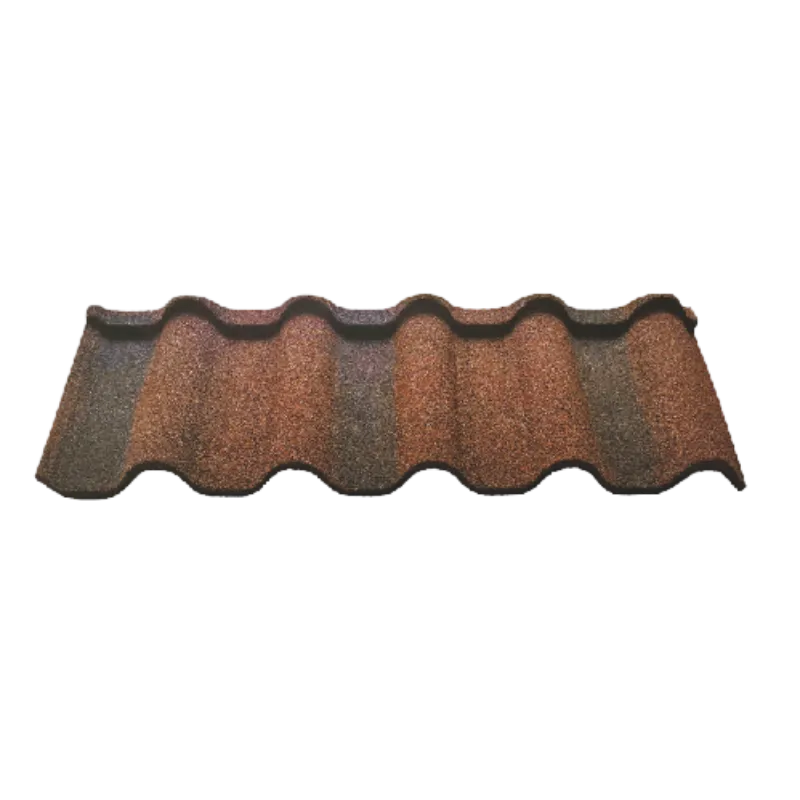
If you haven’t worked with these tiles before, you might think they’re purely aesthetic—those gracefully symmetrical curves and that warm, terracotta hue. But in real terms, they’re much more than a pretty face. For decades, red Roman tiles have combined architectural appeal with durability, weather resistance, and surprisingly easy installation. Frankly, they make a solid choice for industrial roofing that needs to last and look good while doing so.
One thing that caught my attention early on is their material composition. Most red Roman roof tiles are made from natural clay, fired at high temperatures—a process that grants them excellent strength and color retention. This means they don’t fade easily, and they hold up well against harsh UV rays and freezing winters alike. Many in the industry, myself included, have noticed they age gracefully, developing that characterful patina without sacrificing performance.
Red Roman roof tiles also have a design edge, thanks to their overlapping profile. That overlapping curve pattern isn’t just for show—it boosts rainwater runoff, minimizing leaks that can plague larger flat tiles. Plus, the slight air gap created underneath helps with insulation and cooling, which oddly enough can make a real difference in managing a building’s internal temperature.
Speaking of insulation, if energy efficiency is a priority for your next project, these tiles tick a lot of boxes. I recall a site in southern California where we swapped out older metal roofing for red Roman tiles on an industrial warehouse. The owners reported noticeably cooler indoor temperatures during the summer months. This kind of thermal regulation is great when it comes to reducing HVAC loads, which, as you can imagine, saves a chunk of money over time.
Now, I can’t pretend every job is perfect. Installation requires some skill, particularly with proper alignment and ensuring the tiles are securely fastened—nothing fancy, but you want experienced hands on deck. Plus, while clay tiles are durable, they can be more brittle than metal, so handling with care is key. Overall, I’d say they’re worth the attention.
| Feature | Detail |
|---|---|
| Material | Natural Clay, High-Temperature Fired |
| Tile Dimensions | 420mm (length) × 260mm (width) |
| Weight per Tile | 3.5 kg |
| Typical Coverage | 10-12 tiles per square meter |
| Fire Resistance | Non-combustible (Class A rating) |
| Color Stability | Excellent UV resistance |
When it comes to suppliers, the market can be a mixed bag. I’ve dealt with a few major manufacturers and distributors of red Roman roof tiles, so here’s a quick rundown to guide your choice:
| Vendor | Price (per tile) | Lead Time | Quality (Customer Rating) | Custom Color Options |
|---|---|---|---|---|
| ClayCraft | $3.20 | 2 weeks | 4.7 / 5 | Yes |
| TerraTile | $2.90 | 3-4 weeks | 4.3 / 5 | Limited |
| RomanRoof Co. | $3.50 | 1 week | 4.9 / 5 | Yes |
A quick story: I once worked on a project where the client initially questioned investing in red Roman tiles over standard metal sheeting (less expensive, faster installation, you know?). But after installation, not only did the roof look stunning, but the thermal benefits also helped reduce their energy bill by roughly 15%. They now specify these tiles regularly in their projects.
To sum up, red Roman roof tiles stand out as reliable, attractive, and relatively easy-to-work-with materials that deliver more than just curb appeal on industrial buildings. Whether you’re retrofitting or building fresh, they have a timeless allure with practical benefits. Honestly, it feels like they bring a bit of craftsmanship back to the industrial sector—which, frankly, is sometimes missing from big-scale projects.
Sources & further reading:
- Clay Roofing Institute, “Properties of Roman Roof Tiles”
- Industrial Roofing Trends 2023, Building Materials Journal
- Customer case studies, CoolRoofMaterials.com
Latest news
-
Elevating Modern Design with High Quality Flat Mosaic Tiles
NewsApr.16,2026
-
Flat Liner Tile Guide for Roof Durability and Modern Aesthetics
NewsApr.09,2026
-
Exploring the Benefits of Durable Flat Interlocking Tiles for Modern Roofing Systems
NewsApr.07,2026
-
Choosing the Best Flat Interlocking Roof Tiles for Modern Homes
NewsApr.04,2026
-
Exploring the Versatility and Benefits of Flat Grey Tile for Modern Designs
NewsMar.31,2026
-
Comprehensive Guide to Choosing the Best Flat Grey Roof Tiles for Your Project
NewsMar.28,2026
Copyright © 2026 Hebei Chida Manufacture and Trade Co., Ltd. All Rights Reserved. Sitemap | Privacy Policy | Top Blog | Global Service