The evolution of modern roofing has led to a significant shift toward materials that combine the aesthetic appeal of traditional clay with the resilience of industrial engineering. Among these innovations, metal sheet tiles have emerged as a premier choice for homeowners and commercial developers seeking a balance between long-term durability and architectural elegance. By utilizing high-grade steel or aluminum coated with protective layers, these roofing solutions provide a formidable barrier against the elements while reducing the overall structural load on buildings.
Across the globe, the demand for sustainable and weather-resistant building envelopes is rising, driven by the increasing frequency of extreme weather events and the need for energy-efficient housing. The integration of metal sheet tiles allows for a rapid installation process and a lifespan that far exceeds traditional asphalt shingles. Furthermore, the versatility of these tiles—available in various profiles and colors—ensures that they can blend seamlessly into diverse architectural styles, from rustic countryside cottages to sleek urban complexes.
Understanding the technical nuances of these materials is essential for making an informed procurement decision. From the chemical composition of the anti-corrosive coatings to the precision of the interlocking mechanisms, every detail contributes to the roof's integrity. This guide explores the comprehensive ecosystem of metal sheet tiles, examining their global impact, technical advantages, and the innovative trends shaping the future of the non-metallic mineral and metal product industry.
Global Market Context of Metal Sheet Tiles
The global construction industry is witnessing a paradigm shift toward lightweight, high-strength materials. According to recent ISO standards on building sustainability, the transition toward metal sheet tiles is accelerated by the need to reduce the "dead load" on residential structures, which in turn allows for more cost-effective framing and foundation work. In regions prone to seismic activity or heavy snowfall, the strength-to-weight ratio of these tiles provides a critical safety advantage over traditional ceramic or concrete options.
Moreover, the World Bank has highlighted the importance of resilient infrastructure in developing economies. The adoption of metal sheet tiles in these regions helps combat the vulnerability of traditional thatched or tin roofs, providing a scalable solution for urban housing crises. The ability to mass-produce these tiles while maintaining strict quality control ensures that high-performance roofing is no longer a luxury but a standard for durable habitation.
Defining Metal Sheet Tiles and Modern Utility
At its core, metal sheet tiles refer to precision-engineered panels made from thin sheets of steel, aluminum, or zinc, which are stamped or rolled into shapes that mimic traditional roof tiles. Unlike simple corrugated metal sheets, these tiles feature sophisticated interlocking systems that prevent water capillary action, ensuring a watertight seal even during torrential rains. They are often coated with stone granules or high-reflective polymers to enhance their thermal properties.
The utility of these products extends beyond simple shelter; they represent a confluence of metallurgical science and architectural design. By integrating stone-coated technology, these tiles solve the "noise problem" typically associated with metal roofs, absorbing the sound of rain and wind. This makes them an ideal choice for luxury residential projects where the desired aesthetic is traditional, but the required performance is cutting-edge.
In the context of modern industry, these tiles bridge the gap between the non-metallic mineral sector (through the use of ceramic granules) and the metal fabrication industry. This hybrid nature allows for the creation of "Cool Roofs," which reflect a significant portion of solar radiation, thereby reducing the urban heat island effect and lowering air conditioning costs for the end-user.
Core Components and Engineering Factors
The primary strength of metal sheet tiles lies in their multi-layered composition. The base layer usually consists of Aluzinc or galvanized steel, providing the structural rigidity and primary corrosion resistance. This base is then treated with an acrylic primer that bonds the metal to the subsequent decorative and protective layers, ensuring that the finish does not peel or crack under extreme temperature fluctuations.
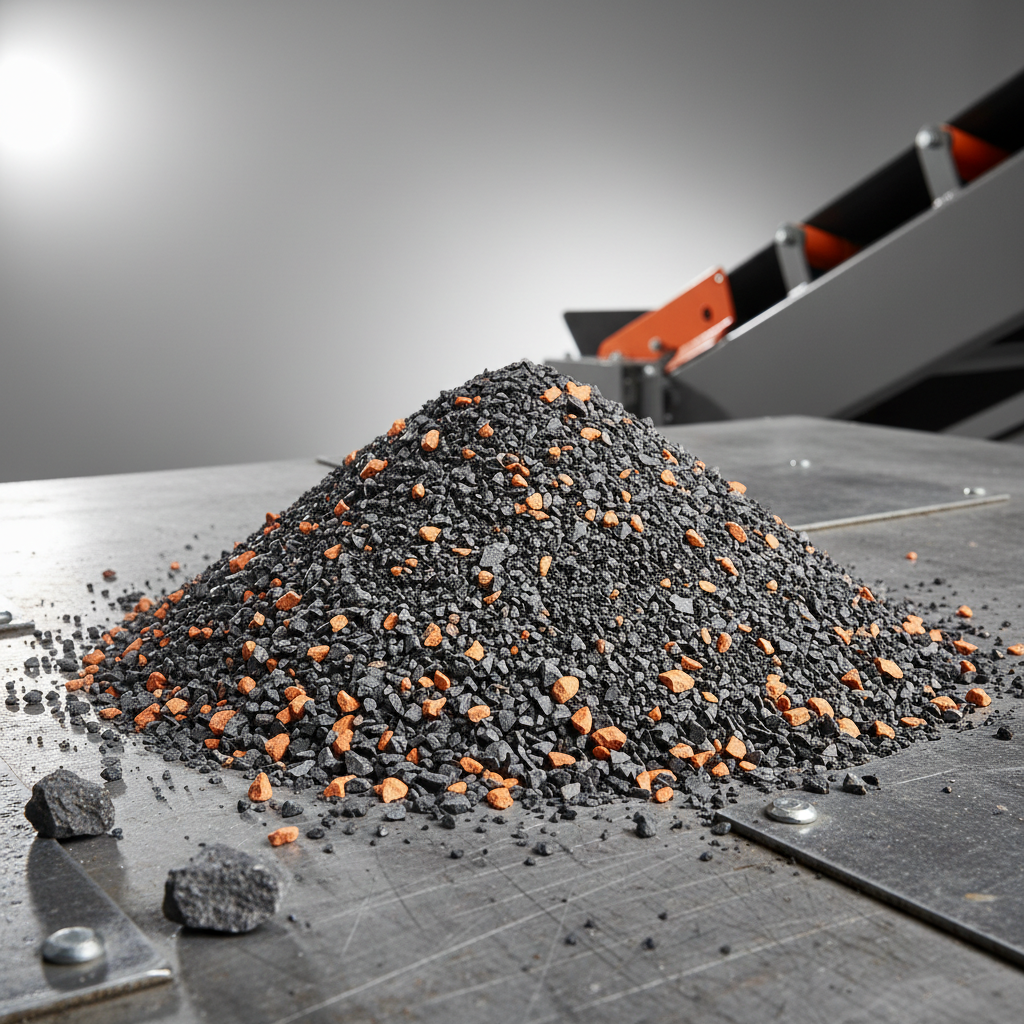
Thermal efficiency is another critical engineering factor. Many metal sheet tiles are integrated with high-reflective ceramic granules, similar to the HIREFLE technology. These granules act as a thermal shield, reflecting UV rays and preventing the metal substrate from overheating. This scientific approach to material layering significantly extends the life of the roof by reducing thermal expansion and contraction stress.
Finally, the interlocking geometry is what defines the reliability of the system. Precision engineering ensures that each tile snaps into the next with a tight tolerance, creating a cohesive shield. This design not only facilitates rapid installation but also allows the roof to "breathe" and move slightly during wind loads without compromising the waterproof integrity of the overall structure.
Comparative Performance Analysis
When evaluating metal sheet tiles against traditional materials like clay tiles or asphalt shingles, the most striking difference is the longevity-to-weight ratio. While clay tiles are exceptionally durable, their immense weight requires reinforced roof trusses. Metal tiles offer similar lifespan expectations with a fraction of the weight, drastically reducing the cost of the supporting structure.
From a maintenance perspective, the non-porous nature of the metal substrate prevents the growth of mold and algae, which frequently plagues concrete and ceramic tiles in humid climates. This results in a lower total cost of ownership over a 30-year period, as the need for chemical cleaning and tile replacement is significantly minimized.
Performance Metrics of Different Metal Sheet Tiles Variations
Real-World Global Applications
In the residential sectors of North America and Europe, metal sheet tiles are increasingly used for "retrofitting" older homes. Homeowners replace heavy, cracked clay tiles with lightweight metal alternatives to modernize the structure without needing to replace the underlying rafters. This application not only preserves the historical look of the neighborhood but significantly increases the home's energy rating.
In more extreme environments, such as the coastal regions of Southeast Asia, the corrosion-resistant properties of Aluzinc-based metal sheet tiles provide a vital defense against salt-spray erosion. In post-disaster relief operations, these tiles are utilized for rapid-deployment housing because they can be transported in flat packs and assembled quickly, providing immediate, dignified, and permanent shelter for displaced populations.
Long-Term Value and Sustainability
The sustainability profile of metal sheet tiles is perhaps their most compelling long-term advantage. Unlike asphalt shingles, which contribute millions of tons of landfill waste annually, metal tiles are 100% recyclable. At the end of their long lifecycle, the steel and aluminum components can be melted down and repurposed, aligning with the global circular economy goals championed by the UN.
From a financial perspective, the "initial cost" argument is being debunked by "lifecycle cost" analysis. While the upfront investment for metal sheet tiles is higher than basic felt or asphalt, the elimination of frequent repairs and the reduction in monthly cooling bills create a positive return on investment within 7 to 12 years.
Beyond the numbers, there is an emotional value tied to safety and peace of mind. Knowing that a roof can withstand hurricane-force winds or resist fire—characteristics inherent to high-quality metal tiles—provides homeowners with a sense of security and dignity that traditional, fragile materials simply cannot offer.
Future Innovations in Roofing Technology
The next frontier for metal sheet tiles is the integration of "Smart Materials." Research is currently underway to incorporate organic photovoltaic (OPV) cells directly into the tile coating. This would transform the entire roof into a solar generator without the need for bulky, unsightly panels, maintaining the architectural integrity of the building while providing renewable energy.
Furthermore, the industry is moving toward "Self-Healing" coatings. These innovative polymers can automatically close micro-cracks caused by thermal stress or hail impact, further extending the maintenance-free interval of the roof. Automation in manufacturing, utilizing AI-driven precision stamping, is also reducing material waste during production, making the process even more eco-friendly.
As urban centers continue to grow, the synergy between metal sheet tiles and "green roof" systems is expanding. New hybrid designs allow for integrated drainage and planting layers on top of metal substrates, combining the waterproofing of metal with the ecological benefits of urban vegetation.
Comprehensive Analysis of Future Metal Roofing Trends
| Innovation Driver |
Technological Approach |
Expected Impact |
Adoption Rate |
| Energy Generation |
Integrated Thin-Film PV |
Net-Zero Buildings |
Medium |
| Thermal Control |
Nano-Ceramic Reflectors |
-5°C Indoor Temp |
High |
| Durability |
Self-Healing Polymers |
Zero-Maintenance |
Low |
| Environmental |
100% Recycled Substrate |
Circular Economy |
High |
| Installation |
Modular Magnetic Locking |
50% Faster Setup |
Medium |
| Aesthetics |
3D Digital Printing |
Custom Textures |
Medium |
FAQS
Actually, modern metal sheet tiles, especially stone-coated ones, are designed to be much quieter than traditional corrugated metal. The granule layer acts as an acoustic dampener, absorbing the impact of raindrops and wind. When installed over a standard roof deck with appropriate underlayment, the noise level is comparable to that of asphalt or clay tiles.
While high-quality asphalt shingles might last 15 to 20 years, metal sheet tiles often have a lifespan of 40 to 70 years. Their resistance to rot, insect damage, and fire, combined with advanced anti-corrosive coatings like Aluzinc, ensures they remain structural and aesthetic for decades, making them a far superior long-term investment.
Yes, in many cases, metal sheet tiles can be installed directly over existing shingles, provided the roof structure is sound. This "overlay" method saves on demolition costs and disposal fees. However, it is always recommended to have a professional structural engineer verify that the building can handle the additional (though minimal) weight.
Premium metal sheet tiles are treated with advanced alloys—such as a combination of aluminum and zinc—specifically to prevent oxidation. These coatings create a sacrificial barrier that protects the steel core. When combined with a high-quality finish, they are exceptionally resistant to salt spray and high humidity compared to untreated metals.
Absolutely. metal sheet tiles are among the most sustainable roofing options available. They are made from recyclable materials and are often recyclable themselves at the end of their life. Additionally, their "Cool Roof" capabilities reduce energy consumption for cooling, thereby lowering the overall carbon footprint of the building.
Selection depends on the desired look: "Bonded" or "Tile" profiles mimic traditional Mediterranean clay for a classic look, while "Standing Seam" or "Flat" styles are better for modern, minimalist architecture. We recommend reviewing a portfolio of completed projects to see how different metal sheet tiles interact with different building shapes and colors.
Conclusion
In summary, metal sheet tiles represent a sophisticated evolution in building materials, merging the strength of industrial metallurgy with the aesthetic versatility of traditional roofing. By offering unparalleled durability, significant energy savings through reflective technology, and a commitment to environmental sustainability via recyclability, they address the most pressing challenges of modern construction. From reducing structural loads to providing a lifelong shield against extreme weather, these tiles provide a comprehensive solution for any architectural need.
Looking ahead, the integration of smart energy technology and self-healing materials will likely move metal sheet tiles from being a passive protective layer to an active component of a building's energy ecosystem. For developers and homeowners alike, transitioning to these advanced materials is not just an upgrade in aesthetics, but a strategic investment in resilience and sustainability. To explore our full range of high-performance roofing solutions, visit our website: www.coolroofmaterials.com.