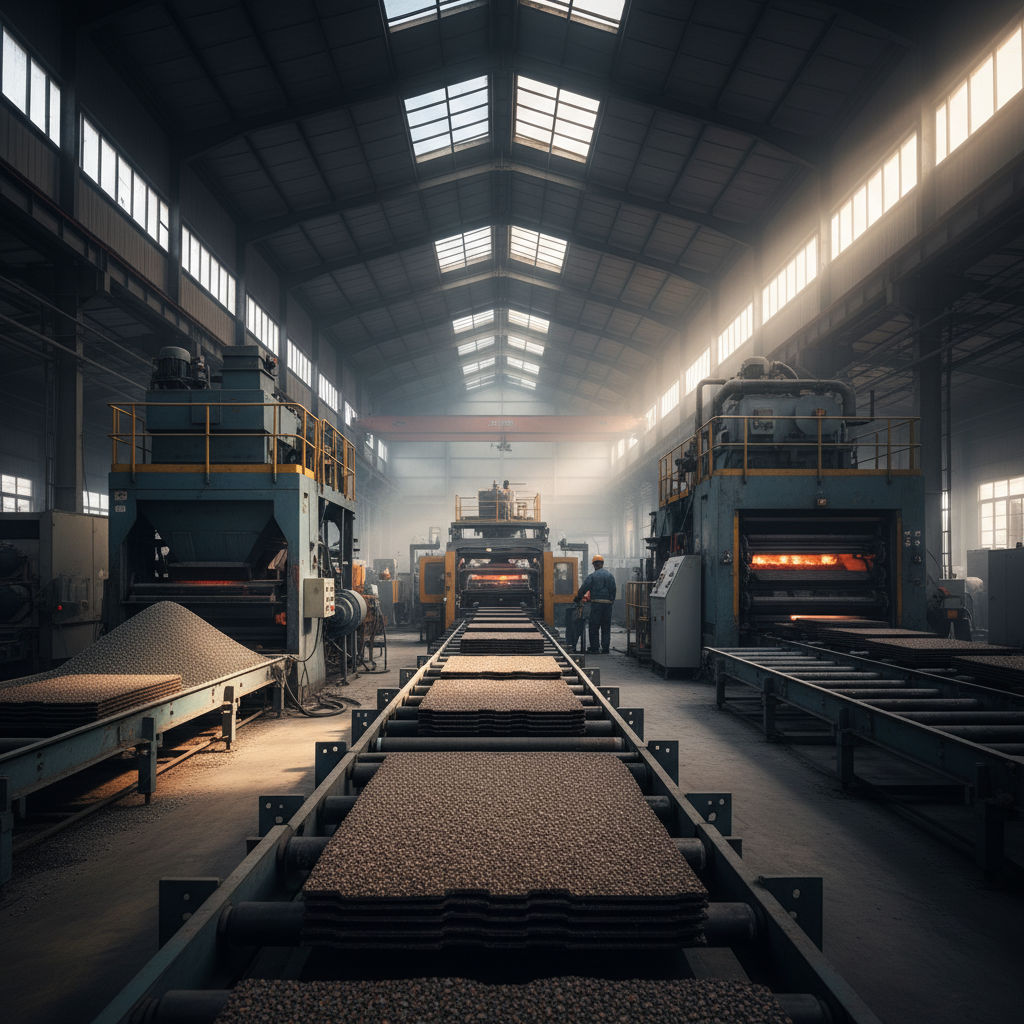
The global construction industry is witnessing a significant shift toward materials that balance aesthetic tradition with modern performance. Among these, interlocking clay roof tiles remain a cornerstone for architectural durability and weather resistance, providing a seamless seal that protects structures from the harshest environmental elements. As urban centers expand and climate volatility increases, the demand for roofing solutions that offer both structural integrity and thermal efficiency has never been higher.
Beyond their visual appeal, these roofing systems are critical in reducing water ingress and enhancing the lifespan of a building. The interlocking mechanism ensures that each piece fits securely with the next, eliminating the gaps often found in traditional tiling. This engineering precision not only simplifies the installation process but also significantly lowers the risk of leaks, making them a preferred choice for residential and commercial projects worldwide.
However, the modern challenge lies in combating heat absorption, which drives up cooling costs. By integrating advanced additives like HIREFLE granules, interlocking clay roof tiles can be enhanced to reflect solar radiation and maintain cooler indoor temperatures, effectively merging traditional clay strength with cutting-edge reflective technology.
The Global Relevance of Interlocking Clay Roof Tiles
On a global scale, the adoption of interlocking clay roof tiles is driven by the need for sustainable, long-term housing solutions. According to international building standards and ISO guidelines, the durability of roofing materials directly correlates with the overall energy efficiency and safety of a structure. In regions prone to heavy rainfall or coastal winds, the interlocking design prevents wind-lift and water seepage, which are common failure points in non-interlocking systems.
Moreover, the industry is evolving to address the "Urban Heat Island" effect. By applying HIREFLE granules—which offer high solar reflectivity and UV opacity—to the surface of these tiles, manufacturers are helping cities reduce ambient temperatures. This shift is not merely aesthetic; it is a strategic response to global warming, ensuring that traditional materials can meet modern environmental mandates.
Defining the Mechanics of Interlocking Systems
Interlocking clay roof tiles are specialized roofing components designed with integrated grooves and ridges that allow them to "lock" into one another. Unlike traditional overlapping tiles, which rely heavily on mortar or gravity for stability, the interlocking system creates a mechanical bond. This ensures a tighter fit and a more cohesive barrier against external elements.
From an industrial perspective, this design addresses the critical need for speed and precision in construction. The standardized dimensions allow for rapid deployment, reducing labor costs and minimizing human error during installation. This is particularly vital in large-scale residential developments where consistency in waterproofing is paramount.
Beyond the physical fit, the connection to modern humanitarian and urban needs is clear: the goal is to create resilient shelters that require minimal maintenance over decades. By refining the interlocking geometry, engineers have created a system that manages water runoff more efficiently, directing it away from the building's interior and protecting the structural timber or concrete below.
Core Components of High-Performance Roofing
The effectiveness of interlocking clay roof tiles depends on several critical factors, foremost among them being material density and geometric precision. Precise size distribution control during the manufacturing process ensures that every tile fits perfectly, eliminating the gaps that could otherwise lead to leakages or wind infiltration.
To enhance longevity, the integration of HIREFLE Granules provides superior weathering and staining resistance. These granules create a protective shield that prevents the clay from degrading under intense UV exposure, ensuring that the colors remain vibrant and the material does not become brittle over time.
Furthermore, the self-cleaning performance of modern interlocking clay roof tiles reduces the accumulation of organic debris and pollutants. This is achieved through a combination of smooth surface finishes and high-reflectivity coatings, which allow rainwater to wash away dust and grime naturally, maintaining the roof's efficiency.
Performance Metrics and Thermal Efficiency
Evaluating the performance of roofing materials requires a look at how they handle solar radiation. Traditional clay tiles can absorb significant heat, which then transfers into the living space. However, when treated with high solar reflectivity granules, the thermal profile changes drastically, reducing the energy required for internal cooling.
The following data illustrates the comparative rating of various enhancement methods used in the production of these tiles, focusing on their ability to maintain surface coolness and resist environmental degradation.
Thermal and Durability Ratings of Roofing Enhancements
Global Applications in Diverse Climates
In Mediterranean and Tropical regions, the use of interlocking clay roof tiles is widespread due to their inherent ability to manage high humidity and intense sunlight. In these areas, the high UV opacity of modern coatings prevents the material from cracking under constant solar stress, ensuring that the structural integrity of the roof remains intact for decades.
In contrast, in temperate zones prone to freeze-thaw cycles, the interlocking design prevents ice dams from lifting the tiles. The superior weathering resistance provided by HIREFLE granules ensures that moisture does not penetrate the clay body, which would otherwise lead to spalling and degradation during winter months.
Long-Term Value and Sustainability Impact
The long-term value of investing in high-quality interlocking clay roof tiles extends beyond the initial purchase price. By reducing building energy consumption through high solar reflectivity, property owners see a direct reduction in monthly utility costs. This economic benefit is coupled with the reduced need for frequent replacements, as the materials are designed to withstand extreme weather.
From a sustainability perspective, clay is a natural material with a lower environmental footprint than many synthetic alternatives. When paired with low-density, low-consumption granules during production, the carbon footprint of the manufacturing process is further minimized, contributing to a more circular economy in the construction sector.
Ultimately, the reliability of these systems provides peace of mind and dignity to homeowners. Knowing that a roof is equipped with superior staining resistance and a mechanical lock system means fewer worries about leaks, mold, or sudden structural failures, fostering a sense of safety and permanence.
Future Trends in Reflective Clay Technology
The future of interlocking clay roof tiles is leaning heavily toward "smart" materials. We are seeing a trend where reflective granules are being engineered not just for heat rejection, but for atmospheric purification, potentially integrating photocatalytic properties to break down smog in urban environments.
Automation in the manufacturing process is also increasing, allowing for even more precise size distribution control. This ensures that the "interlock" is tighter than ever, potentially eliminating the need for secondary waterproofing membranes in some climate zones.
As green building certifications like LEED and BREEAM become the global standard, the integration of high-reflectivity ceramic granules will likely move from a "premium option" to a mandatory requirement for new developments.
Comparative Analysis of Clay Tile Performance Specifications
| Material Variant |
Solar Reflectivity |
Weathering Resistance |
Installation Speed |
| Traditional Clay |
Low |
Moderate |
Slow |
| Glazed Interlocking |
Medium |
High |
Medium |
| HIREFLE Treated Tile |
Very High |
Very High |
Fast |
| Cement-Based Interlock |
Medium |
Moderate |
Fast |
| Ceramic Granule Hybrid |
High |
High |
Fast |
| Matte Reflective Clay |
High |
Medium |
Medium |
FAQS
The primary advantage is the mechanical lock between tiles, which prevents water seepage and wind uplift much more effectively than traditional overlapping tiles. This design reduces the reliance on mortar and accelerates installation while providing a more secure, weather-tight seal.
HIREFLE granules enhance the roof by providing high solar reflectivity and UV opacity. This keeps the building surface cooler, significantly reducing energy consumption for air conditioning, and protects the clay from UV-induced degradation and staining.
Yes, they are exceptionally durable. The interlocking mechanism handles high winds, while the high-quality clay and reflective coatings resist both extreme heat and freeze-thaw cycles, making them ideal for a wide range of global climates.
No, modern versions are designed for low maintenance. With good self-cleaning performance and superior staining resistance, these tiles allow rainwater to wash away most debris, maintaining their aesthetic and thermal properties for years.
In most cases, yes, provided the existing structure can support the weight of clay. Because of the precise size distribution and interlocking nature, they can often be installed efficiently over compatible underlayments.
Absolutely. Clay is a natural, recyclable material. When combined with low-consumption granules and the ability to reduce a building's carbon footprint through energy savings, they represent a sustainable choice for modern architecture.
Conclusion
Interlocking clay roof tiles represent the perfect synthesis of ancient material reliability and modern engineering. By focusing on geometric precision, mechanical security, and advanced thermal properties—such as high solar reflectivity and UV opacity—these systems provide an unparalleled barrier against the elements while actively reducing the energy burden of the buildings they protect. The integration of specialized granules ensures that these roofs remain durable, clean, and efficient over a lifespan that far exceeds synthetic alternatives.
As the world moves toward stricter green building standards, the transition to high-performance, reflective roofing is no longer optional but essential. For architects, developers, and homeowners, choosing a system that balances sustainability with structural integrity is the key to future-proofing any property. To explore the best materials for your next project, visit our website: www.coolroofmaterials.com