
Dec . 13, 2025 03:50 Back to list
Discover the Benefits of Coverland Roman Roof Tiles for Commercial Roofing | CoolRoofMaterials
Coverland Roman Roof Tiles is a key solution in the industry, specifically within commercial and residential roofing sectors. This article explores how https://www.coolroofmaterials.com supports professionals with durable, high-performance products, and explains why this product is an ideal choice for businesses in these sectors.
Table of Contents
- Coverland Roman Roof Tiles Overview
- Benefits & Use Cases of Coverland Roman Roof Tiles
- Cost, Maintenance & User Experience
- Sustainability & Market Trends
Coverland Roman Roof Tiles Overview
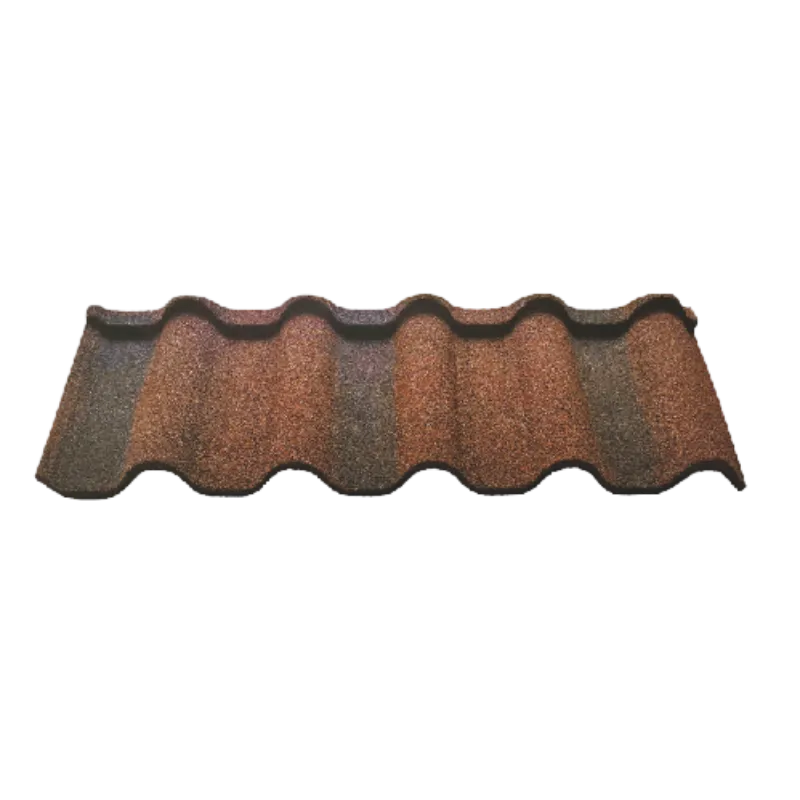
At their core, Coverland Roman Roof Tiles are a modern interpretation of classic Roman roofing design—made with materials and processes that suit today’s demanding commercial and residential construction standards. These roof tiles aren’t just about aesthetics; they combine traditional appeal with practical durability that B2B decision-makers consistently seek. The distinctive S-shaped profile channels water efficiently while lending a timeless elegance to any rooftop.
On the technical side, these tiles are crafted mainly from high-grade concrete or clay composites, engineered for longevity and resistance to weathering. For example, CoolRoofMaterials employs rigorous quality control and performance testing that ensures each tile sustains strong resistance to freeze-thaw cycles, UV radiation, and high winds. Frankly, when you’re specifying materials for industrial or commercial projects, those features aren’t just nice-to-have—they’re must-haves.
| Specification | Coverland Roman Roof Tiles |
|---|---|
| Material | Concrete or Clay Composite |
| Dimensions | 420 mm x 250 mm (typical) |
| Weight per tile | ~4.5 kg |
| Wind Resistance | Up to 130 mph / 208 km/h |
| Lifespan | 50+ years with proper installation |
Benefits & Use Cases of Coverland Roman Roof Tiles
These tiles shine in a variety of industry settings, especially where a balance between durable function and distinct visual appeal is critical. From mid-sized commercial facilities to luxury residential developments, the Roman design communicates craftsmanship but also stands up to tough weather conditions.
You could say their hallmark advantage is the perfect marriage of aesthetics and performance. The profile allows for superior water drainage and less risk of leaks—important when you deal with ongoing rains or humid climates. What’s more, the tiles’ thermal mass helps regulate building temperature, contributing to energy savings. It’s no wonder many roofing contractors and architects keep them on their standard specification lists.
| Feature | Benefit |
|---|---|
| S-shaped Tile Profile | Enhanced rainwater runoff and aesthetics |
| Concrete or clay material | Durability and thermal regulation |
| Resistant to UV & freeze-thaw | Long service life in varied climates |
| Easy installation system | Reduced labor time and cost |
Cost, Maintenance & User Experience
When we dig into the numbers, the total cost of ownership is really what matters for B2B buyers. While Coverland Roman Roof Tiles may have a slightly higher upfront cost compared to basic asphalt shingles or metal roofing, the long-term durability and minimal maintenance tips the scales in their favor. Many engineers I’ve spoken with mention that the ROI often becomes clear after just a few years due to reduced repair frequency and energy savings.
Feedback from installers hovers around the ease of working with these tiles. Since the design is standardized with interlocking edges, installers find they can reduce waste and accelerate the installation timeline. A commercial roofing firm recently noted a 15% decrease in labor hours on a project just by switching to Coverland Roman Roof Tiles from a competitor’s product—not too shabby.
| Vendor | Price per tile | Warranty | Lead Time |
|---|---|---|---|
| CoolRoofMaterials (Coverland) | $3.50 | 50 years | 2–3 weeks |
| Vendor B | $3.00 | 30 years | 4 weeks |
| Vendor C | $4.00 | 40 years | 3 weeks |
Sustainability & Market Trends
Oddly enough, roofing materials aren't always the first thing you think of for sustainability, but Coverland Roman Roof Tiles tick several important boxes. Using natural clay composites or concrete formulations that can be recycled, plus their impressive lifespan, means fewer replacements and less landfill waste.
Industry regulations are increasingly pushing for eco-friendly products, and these tiles fit nicely into that trend. You’ll notice more firms looking for options that help them score green building certifications like LEED. On top of that, the thermal benefits of Roman roof tiles mean buildings can reduce HVAC loads, further lowering carbon footprints. In terms of market growth, demand for premium, sustainable roofing is only rising, so staying ahead with solutions like Coverland is a smart long-term move.
Frequently Asked Questions about Coverland Roman Roof Tiles
- What is Coverland Roman Roof Tiles and how does it work?
- Simply put, these are interlocking roofing tiles inspired by Roman architecture, made from durable materials like concrete or clay. They work by overlapping on roofs to create a water-resistant, weatherproof barrier with a distinctive curved profile.
- What are the main benefits of using Coverland Roman Roof Tiles in industrial applications?
- Key benefits include exceptional durability, resistance to weather extremes, improved thermal performance, and a classic aesthetic that enhances property value.
- How does Coverland Roman Roof Tiles compare to traditional alternatives?
- Compared to options like asphalt shingles or metal roofing, these tiles last longer, handle weather stress better, and offer improved insulation—though they may have a higher initial cost.
- What industries can benefit most from Coverland Roman Roof Tiles implementation?
- Commercial real estate developers, luxury residential projects, hospitality sectors, and public-sector buildings frequently leverage these tiles for their blend of style and substance.
Conclusion on Coverland Roman Roof Tiles from china
So, when weighing roofing options, Coverland Roman Roof Tiles really stand out as a blend of tradition, innovation, and value. Their durability, aesthetic appeal, and energy-saving benefits position them well for businesses wanting smarter, sustainable roofing choices. You might say it’s a product that respects the past but is built for the future.
- Recap the value of Coverland Roman Roof Tiles.
- - Visit our website: https://www.coolroofmaterials.com
Reflecting on this, it’s clear that the right roofing solution isn’t just about covering a building — it’s about making an investment in durability, efficiency, and undoubtedly, style. As markets evolve, products like Coverland Roman Roof Tiles remind us that sometimes, heritage and cutting-edge tech make a great team.
References:
1. Cool Roof Materials Quality Tests, 2023
2. Industry Roofing Trends Report, Construction Monthly, 2024
3. LEED Certification Guidelines, USGBC, 2023
Latest news
-
Elevating Modern Design with High Quality Flat Mosaic Tiles
NewsApr.16,2026
-
Flat Liner Tile Guide for Roof Durability and Modern Aesthetics
NewsApr.09,2026
-
Exploring the Benefits of Durable Flat Interlocking Tiles for Modern Roofing Systems
NewsApr.07,2026
-
Choosing the Best Flat Interlocking Roof Tiles for Modern Homes
NewsApr.04,2026
-
Exploring the Versatility and Benefits of Flat Grey Tile for Modern Designs
NewsMar.31,2026
-
Comprehensive Guide to Choosing the Best Flat Grey Roof Tiles for Your Project
NewsMar.28,2026
Copyright © 2026 Hebei Chida Manufacture and Trade Co., Ltd. All Rights Reserved. Sitemap | Privacy Policy | Top Blog | Global Service