When homeowners consider traditional roofing, one of the most common questions is how long does a thatched roof last for, as this natural material varies significantly in lifespan based on the quality of the reed or straw used. Understanding the longevity of organic roofing is essential for those valuing a rustic aesthetic, yet it often highlights the inherent vulnerability of natural fibers compared to modern engineered solutions.
The lifespan of these structures is heavily influenced by environmental exposure, moisture levels, and the precision of the craftsmanship during installation. While some high-quality thatch can endure for decades, the recurring need for maintenance and the eventual degradation of the biological material make many property owners question if there is a more sustainable, long-term alternative.
In the quest for longevity, many are transitioning toward high-performance materials that mimic the classic look while solving the durability crisis. If you are wondering how long does a thatched roof last for, it is important to compare these figures with modern innovations like stone coated metal roof tiles, which offer permanent protection without the decay associated with organic thatch.
The Lifespan Reality of Organic Roofing
Traditional thatched roofing is a biological system that naturally decomposes over time. Depending on the material—whether it be water reed, wheat straw, or palms—the timeframe for replacement varies, but it is always limited by the organic nature of the product. This creates a cycle of expensive re-thatching every 15 to 30 years, depending on the thickness of the layer.
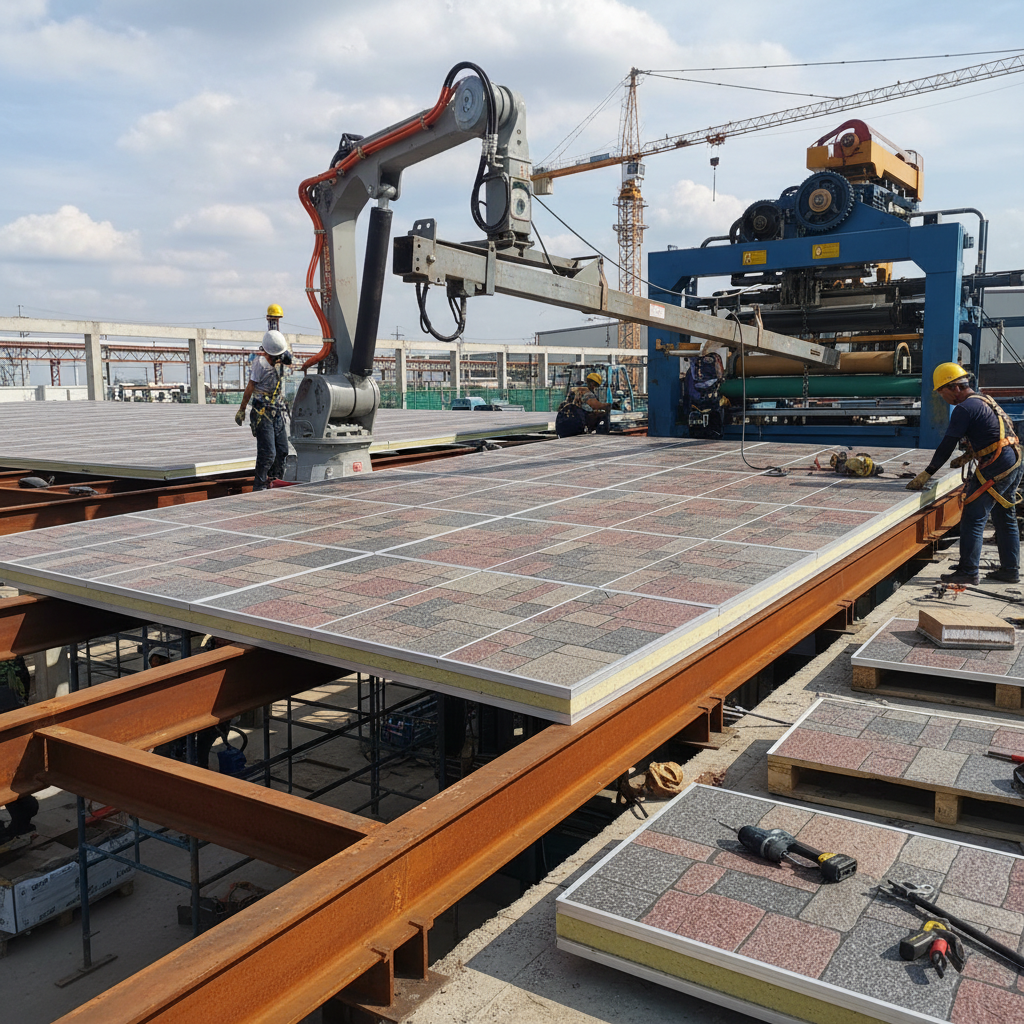
In contrast, the modern industry has moved toward materials that eliminate this decomposition cycle. Stone coated metal roof tiles, based on high corrosion resistant Al-Zn plates, provide a permanent structural solution that removes the anxiety of wondering how long a natural roof will last, offering a high-tech alternative that preserves the aesthetic of traditional tiles without the fragility.
Factors Influencing Natural Roof Degradation
Environmental exposure is the primary enemy of organic roofing. Humidity, rain, and biological growth like moss and algae accelerate the rot of straw and reed, significantly shortening the period of effectiveness. In regions with high rainfall, the saturation and drying cycles weaken the structural integrity of the thatch.
Pests and wind also play a critical role in degradation. Birds and rodents often nest in thatch, creating holes that allow water to penetrate the interior, while strong windstorms can strip away layers of the material. This inherent instability makes the cost of maintenance a permanent fixture for the homeowner.
To solve these issues, industry leaders have developed stone coated metal roofing. These products utilize a high-quality waterproof acrylic resin as an adhesive to bind natural stone particles to a metal base, ensuring that neither pests nor extreme weather can degrade the roof's performance over time.
Comparing Thatch Durability with Metal Alternatives
When calculating the total cost of ownership, the question of how long does a thatched roof last for becomes a financial liability. The need for periodic replacement means that over a 50-year period, a homeowner might pay for a roof three times over, not including the yearly maintenance required to keep it watertight.
Transitioning to stone coated metal roof tiles solves this longevity gap. Because they combine the decorative properties of clay tiles with the strength of Al-Zn plates, they are fire resistant, hail resistant, and storm resistant, removing the uncertainty of how long does a thatched roof last for by providing a lifespan that typically exceeds the lifetime of the building itself.
Furthermore, the ease of installation and suitability for all sloping roofs make metal alternatives a more practical choice for modern construction. While thatch is an art form, stone coated metal is a science, utilizing inorganic color pigments and weathering-resistant stone particles to maintain a deep, natural look without the decay.
Performance Metrics of Modern Roofing Materials
Modern roofing materials are evaluated on their ability to withstand extreme events. While traditional organic roofs fail during high winds or fire, stone coated metal tiles are engineered to be earthquake resistant and wind resistant, providing a safety level that organic materials simply cannot match.
The cost-effectiveness of these materials is realized in their "install once" nature. By eliminating the need for the repetitive execution required by thatched roofs, property owners save significantly on long-term labor and material costs while increasing the overall valuation of the property.
Lifespan and Durability Rating: Metal vs Traditional
Global Applications of High-Durability Tiles
From luxury villas to industrial structures, stone coated metal roof tiles are being adopted globally. Their ability to adapt to various styles and structures—including wood, steel, and concrete—makes them ideal for both original buildings and renovation projects in diverse climates.
In regions prone to natural disasters, such as earthquake zones or hurricane-prone coasts, the shift away from fragile organic roofing is critical. The high corrosion resistance of the Al-Zn plate ensures that even in salty coastal air, the roof remains intact, offering a level of security that eliminates the worry of how long a natural roof can survive.
Long-Term Value and Sustainability Analysis
Sustainability is no longer just about using natural materials; it is about reducing the frequency of replacement and waste. While thatch is biodegradable, the constant cycle of replacing it consumes vast amounts of agricultural resources and labor.
Stone coated metal roof tiles offer a different kind of sustainability: longevity. By creating a roof that lasts for decades without significant degradation, we reduce the landfill waste associated with discarded roofing materials. The use of inorganic color pigments and stone granules ensures the roof remains visually appealing without the need for chemical treatments.
Furthermore, the lightweight nature of these tiles reduces the structural load on the building, which in turn extends the life of the supporting walls and rafters. This holistic approach to durability provides a logically superior value proposition for the modern homeowner.
The Future of Climate-Resistant Roofing
The future of roofing lies in the integration of reflective technologies and high-strength composites. As global temperatures rise, the demand for "cool roofs" has increased, leading to the development of high reflective ceramic granules that reduce heat absorption and lower energy costs.
Automation in manufacturing now allows for more complex, environment-friendly high-tech products that mimic traditional aesthetics with surgical precision. This means homeowners no longer have to choose between the "old-world charm" of a thatched look and the "new-world security" of metal construction.
As we move toward a more sustainable urban environment, the focus will remain on materials that are cost-effective and easy to install. The trend is clearly shifting toward engineered solutions that provide permanent protection, rendering the question of how long organic roofs last obsolete.
Comparison Analysis of Roofing Material Life Cycles
| Material Type |
Expected Lifespan |
Maintenance Level |
Environmental Resistance |
| Organic Thatch |
15-30 Years |
Very High |
Low (Rot/Fire) |
| Asphalt Shingles |
20-30 Years |
Moderate |
Moderate |
| Clay Tiles |
50-100 Years |
Low |
High (Brittle) |
| Stone Coated Metal |
50+ Years |
Very Low |
Excellent |
| Al-Zn Plate Base |
Permanent |
Minimal |
High Corrosion Res. |
| Ceramic Granule |
Long Term |
None |
UV/Heat Resistant |
FAQS
Typically, a thatched roof lasts between 15 and 30 years, depending on the material used (water reed lasts longer than straw) and the local climate. However, this requires significant maintenance and eventual full replacement, unlike stone coated metal tiles which last 50+ years.
Stone coated metal roofs use a high corrosion resistant Al-Zn plate and acrylic resin adhesive, making them immune to rot, pests, and biological decay. They are specifically designed to be fire, hail, and wind resistant, providing a permanent solution.
Yes, stone coated metal roof tiles are suitable for all sloping roofs. They can be installed on various structural bases including wood, steel, and concrete, and are an excellent choice for both new constructions and original building renovations.
Absolutely. These tiles utilize natural stone particles and inorganic color pigments to achieve the deep, decorative look of traditional clay tiles while offering the strength and lightweight benefits of modern metal engineering.
Yes, because it eliminates "reduplicate execution." Instead of paying for re-thatching every couple of decades, you invest in a permanent material that reduces long-term maintenance costs and increases property value.
High Reflective Ceramic Granules (HIREFLE) are designed to reflect solar radiation. This prevents the roof from absorbing heat, which lowers the internal temperature of the building and reduces energy consumption for cooling.
Conclusion
In summary, while the rustic appeal of organic roofing is undeniable, the recurring question of how long does a thatched roof last for reveals a fundamental lack of durability and high maintenance burden. By comparing these natural materials with engineered solutions like stone coated metal roof tiles, it becomes clear that the combination of Al-Zn plates and natural stone granules offers a superior balance of aesthetics, safety, and permanence.
For homeowners and developers looking to invest in a future-proof structure, moving toward climate-resistant and high-reflective materials is the most logical step. We recommend prioritizing materials that offer fire and storm resistance to ensure long-term peace of mind. Visit our website: www.coolroofmaterials.com to explore the best in modern roofing technology.