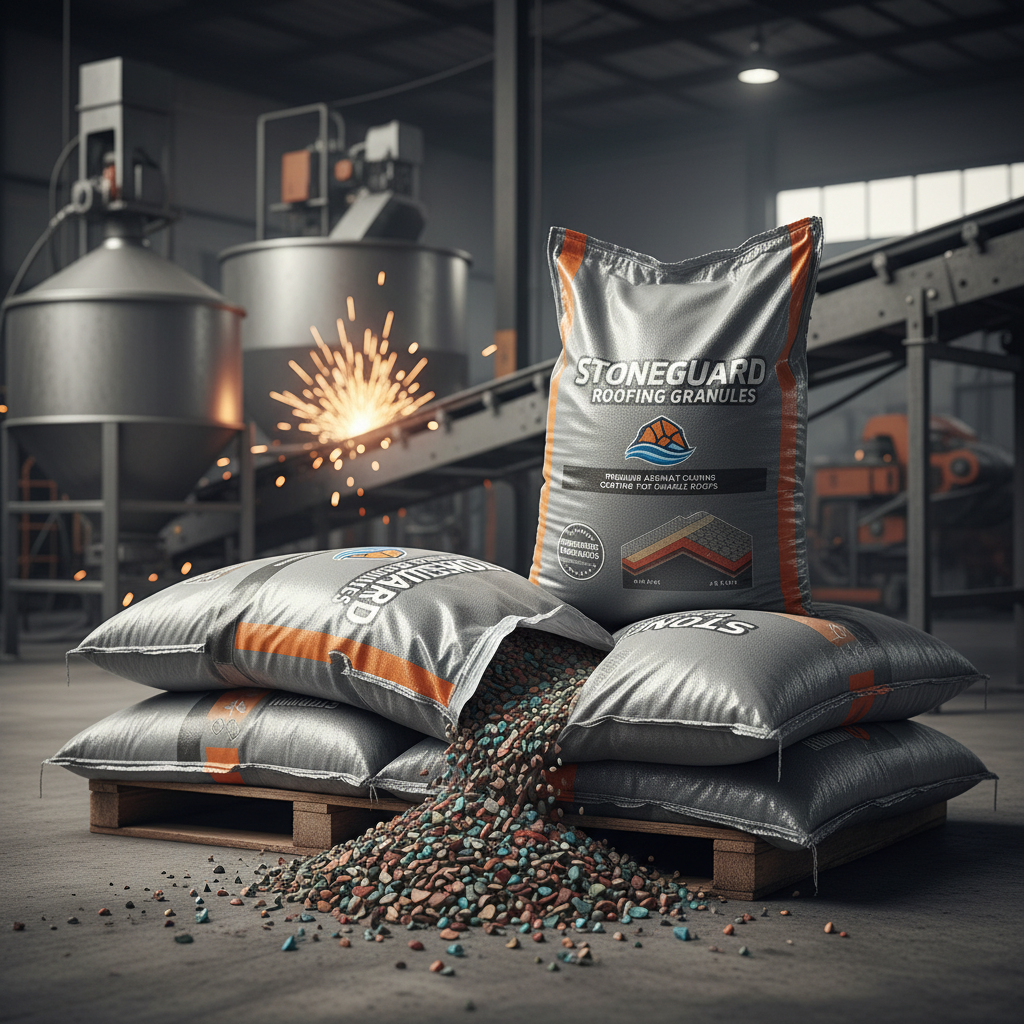
Selecting the right roofing material is a critical decision for any property owner, as the roof serves as the primary shield against environmental degradation. Among the various options available, understanding the different 30 year roof shingles types allows homeowners to balance initial investment costs with long-term durability and aesthetic appeal. Whether dealing with residential housing or commercial structures, the choice of shingle directly impacts the building's thermal efficiency and structural integrity over decades.
In the global construction market, the demand for reliable roofing solutions has led to an evolution in material science, moving from basic felt to advanced composite materials. Many developers now prioritize materials that offer a balance of waterproof capabilities and fire resistance to meet stringent international building codes. The shift toward sustainable and resilient materials is not just a trend but a necessity in the face of increasingly volatile weather patterns across different continents.
When evaluating 30 year roof shingles types, it is essential to look beyond the nominal lifespan and examine the actual physical properties of the product. From asphalt shingles that offer versatility and rich colors to stone coated metal roof tiles that provide superior longevity, the modern market provides a diverse array of choices. By focusing on features such as acid/alkali resistance and ease of installation, property owners can ensure their investment remains protected for years to come.
Understanding the Industry Context of Roofing Materials
The global construction industry is currently facing a transition toward materials that offer higher resistance to extreme climate conditions. In the context of the non-metallic mineral products industry, the production of cement and asphalt-based roofing has evolved to prioritize longevity and environmental adaptability. This shift is driven by international standards such as ISO, which emphasize the need for materials that reduce the total cost of ownership through decreased maintenance.
For many regions, the challenge lies in finding a roofing solution that is both cost-effective and capable of withstanding acid rain and alkaline environments. This is where various 30 year roof shingles types come into play, offering a strategic middle ground between budget-friendly temporary fixes and ultra-premium lifelong installations. By optimizing the composition of granules and binders, manufacturers are now able to provide products that maintain their structural stability even under intense UV exposure.
Defining Performance Standards for Long-Term Shingles
When we discuss long-term roofing, we are essentially referring to the ability of a material to maintain its waterproof and windproof properties over a span of three decades. This involves a complex synergy between the base material—whether it be asphalt, metal, or ceramic—and the protective granules applied to the surface. These granules not only provide the desired color but also act as a sacrificial layer that protects the underlying structure from solar radiation.
Modern industry definitions for these materials emphasize "life-cycle value" rather than just "purchase price." A product that is marketed as a long-term solution must demonstrate consistent resistance to aging and cracking. For instance, the inclusion of high-reflective ceramic granules, such as those used in HIREFLE technology, helps in reducing the heat absorption of the roof, thereby extending the life of the shingles by preventing thermal shock.
Ultimately, the meaning of high-quality roofing in the current era is tied to the concept of "structural stability." This means the material must be lightweight enough to reduce load-bearing pressure on the roof frame while remaining robust enough to resist penetration from hail or debris. This balance is what defines the modern standard for various professional-grade roofing options globally.
Core Components of Durable Roof Shingles
Durability is the primary metric when comparing different 30 year roof shingles types. This durability is achieved through a combination of waterproof, fireproof, and windproof characteristics. For asphalt shingles, the use of a high-quality fiberglass mat reinforced with asphalt ensures that the shingle does not warp or shrink under extreme temperature fluctuations.
Another core component is chemical resistance. Many industrial areas suffer from acid rain or alkali deposits, which can corrode standard roofing materials. Specialized 30 year roof shingles types are engineered to be acid and alkali resistant, ensuring that the surface does not degrade or lose its color when exposed to harsh atmospheric pollutants over several decades.
Finally, the installation efficiency and weight of the material play a significant role. Lightweight materials reduce the stress on the building's foundation, increasing overall structural stability. The ability to freely cut and shape materials allows them to be used on roofs with complex geometric shapes, making these shingles a versatile choice for both traditional and modern architectural designs.
Comparative Analysis of Shingle Efficiency
Comparing the efficiency of different roofing materials requires looking at a blend of performance metrics, including installation speed, weather resistance, and cost-effectiveness. While asphalt options offer a soft texture and a wide array of colors, stone coated metal roof tiles provide an even higher level of fireproofing and wind resistance. Both options aim to provide long-term protection, but they cater to different architectural needs and budget constraints.
The following data represents the performance ratings of various material approaches based on industry standards for longevity, weatherproofing, and ease of installation, helping users identify which approach fits their specific climate.
Efficiency Rating of Various 30 Year Roof Shingles Types
Global Applications and Real-World Use Cases
In real-world applications, the choice of roofing material varies significantly by region. In coastal areas prone to high humidity and salt spray, stone coated metal roof tiles are often preferred due to their superior corrosion resistance and waterproof nature. These materials ensure that the structure remains protected even during severe storm surges or hurricanes, providing a level of safety and dignity to the occupants.
Conversely, in urban residential zones with complex rooflines, asphalt shingles are highly valued. Their flexibility allows them to be cut and fitted into intricate geometric shapes, making them ideal for historical renovations or modern luxury villas. Because they are lightweight and easy to transport, they are often the first choice for large-scale housing projects where rapid construction and cost-effectiveness are primary goals.
Long-Term Value and Sustainability Benefits
The long-term value of investing in high-quality 30 year roof shingles types extends beyond simple maintenance costs. By utilizing materials that are anti-aging and fireproof, property owners significantly reduce the risk of catastrophic loss. This provides a logical sense of security and financial stability, as the roof does not need to be replaced every decade, thereby reducing the amount of waste sent to landfills.
From a sustainability perspective, the integration of high-reflective ceramic granules (HIREFLE) represents a major leap forward. These granules reflect a significant portion of solar radiation, which lowers the internal temperature of the building. This reduces the reliance on air conditioning systems, leading to lower energy consumption and a smaller carbon footprint for the building over its lifetime.
Furthermore, the ease of installation associated with modern composite shingles reduces the labor hours and energy required during the construction phase. When a roof is designed for a 30-year lifespan, it transforms from a recurring expense into a long-term asset, enhancing the property's overall market value and appeal to future buyers who prioritize energy efficiency and durability.
Future Innovations in Roofing Technology
The future of roofing is moving toward "smart" and "green" materials. We are seeing a trend where 30 year roof shingles types are being integrated with photovoltaic cells or advanced thermal coatings. The goal is to move from passive protection to active energy generation, turning the roof into a power plant that supports the building's electricity needs while maintaining its waterproof and windproof functions.
Digital transformation is also impacting how these materials are installed and monitored. The use of BIM (Building Information Modeling) allows architects to simulate how different shingle types will perform under specific local weather patterns before a single tile is laid. This precision reduces material waste and ensures that the chosen product is perfectly matched to the environmental challenges of the site.
As global policies push for net-zero emissions, the manufacturing process for asphalt and metal shingles is becoming more eco-friendly. The use of recycled granules and low-VOC binders is becoming standard, ensuring that the materials are as safe for the environment as they are for the people living under them.
Comparison of Roofing Material Performance Metrics
| Material Type |
Durability Score |
Installation Ease |
Thermal Efficiency |
| Standard Asphalt |
7/10 |
High |
Medium |
| Stone Coated Metal |
10/10 |
Medium |
High |
| HIREFLE Ceramic |
9/10 |
Medium |
Excellent |
| Premium Composite |
8/10 |
High |
Medium |
| Traditional Slate |
10/10 |
Low |
High |
| Basic Felt/Paper |
4/10 |
Excellent |
Low |
FAQS
Asphalt shingles are generally more affordable and offer great flexibility for complex roof shapes with a soft texture. Stone coated metal roof tiles, however, provide superior durability, being completely fireproof and more resistant to extreme wind and corrosion, making them a more long-term investment for harsh environments.
High reflective ceramic granules, such as those in the HIREFLE line, reflect a larger percentage of the sun's infrared rays. This prevents the roof from absorbing excessive heat, which not only lowers your indoor cooling costs but also reduces the thermal expansion and contraction of the shingles, extending their overall lifespan.
Yes, both asphalt and stone coated metal roof tiles are designed specifically for sloping roofs. Asphalt shingles are particularly useful for roofs with complex geometric shapes because they can be easily cut and adjusted during installation to ensure a perfect, waterproof seal.
Many modern long-term shingles are specifically engineered for acid and alkali resistance. This prevents the chemical degradation of the surface granules and the underlying binder, ensuring that the roof remains waterproof and retains its color even in highly polluted industrial areas.
Lightweight shingles, such as modern asphalt and composite options, reduce the load-bearing pressure on the roof's structural frame. This increases the overall stability of the building and can lower the cost of installation since less heavy-duty structural reinforcement is required.
No, one of the primary advantages of these materials is their convenience in transportation, storage, and construction. They are designed for easy operation, allowing professional contractors to install them efficiently while ensuring a watertight finish.
Conclusion
Choosing from the various 30 year roof shingles types requires a careful balance of durability, aesthetic preference, and budget. From the waterproof and windproof capabilities of stone coated metal to the versatile and lightweight nature of asphalt shingles, the right choice ensures that a building remains protected against the elements while maintaining its structural integrity. By prioritizing features like acid resistance and thermal reflectivity, property owners can secure a roof that offers both immediate beauty and long-term reliability.
Looking forward, the integration of sustainable materials and energy-reflective technologies will continue to redefine the roofing industry. We recommend that homeowners and developers focus on the total life-cycle value of their roofing systems rather than just the initial cost. Investing in high-performance materials today means fewer repairs tomorrow and a significantly more sustainable footprint for the future. For more professional guidance and high-quality materials, visit our website: www.coolroofmaterials.com.