When planning a residential or commercial renovation, homeowners and contractors often find themselves analyzing the cost of roofing shingles per square to determine the most sustainable budget. Understanding this metric is essential because roofing represents one of the most significant capital investments in a building's lifecycle, impacting both immediate cash flow and long-term property value.
Globally, the demand for high-performance materials has shifted the conversation from simple upfront pricing to a more comprehensive analysis of value over time. As climate volatility increases, the industry is seeing a transition toward materials that offer superior resistance to extreme weather while remaining economically viable per square unit of coverage.
By evaluating the cost of roofing shingles per square, stakeholders can compare traditional asphalt options with innovative solutions like stone coated metal roof tiles, which combine the aesthetic of clay with the durability of modern Al-Zn plating.
Understanding the Value of Stone Coated Metal Tiles
Stone coated metal roof tiles represent a paradigm shift in the roofing industry, offering a creative and environment-friendly alternative to traditional materials. Unlike standard shingles, these tiles utilize a high-corrosion-resistant Al-Zn plate as their foundation, ensuring that the structural integrity remains intact even in the harshest environments.
When considering the investment, this material provides a unique blend of the natural, deep decorative properties of traditional clay tiles and the lightweight, high-strength performance of modern metal. This duality allows property owners to achieve a luxury aesthetic without the structural burden of heavy masonry.
Material Composition and Industrial Standards
The technical superiority of stone coated metal tiles lies in their multi-layered construction. The base consists of a high-grade Al-Zn alloy plate, which provides an essential barrier against rust and oxidative stress. This is then bonded with a high-quality waterproof acrylic resin, acting as a powerful adhesive that secures the outer protective layer.
The outermost surface is composed of natural stone particles or inorganic color pigments. These materials are selected for their high weathering resistance, ensuring that the roof maintains its color and texture over decades of exposure to UV radiation and precipitation. This sophisticated layering process makes it a high-tech product designed for longevity.
By utilizing these advanced materials, the product avoids the common pitfalls of traditional shingles, such as cracking or peeling. The integration of inorganic pigments ensures that the aesthetic appeal does not fade, providing a consistent look that enhances the architectural value of any sloping roof structure.
Factors Influencing the Cost of Roofing Shingles Per Square
When analyzing the cost of roofing shingles per square, it is vital to look beyond the initial purchase price. While traditional asphalt shingles may appear cheaper upfront, their shorter lifespan and higher maintenance requirements often lead to a higher total cost of ownership over a 20-year period.
The actual cost of roofing shingles per square for stone coated metal tiles reflects the inclusion of premium materials like Al-Zn plating and acrylic resins. These components significantly reduce the frequency of replacement, making the investment more cost-effective when amortized over the lifetime of the building.
Furthermore, the installation efficiency of lightweight metal tiles can lower labor expenses. Because they are easier to handle and install than heavy clay tiles, the overall project timeline is reduced, which further optimizes the effective cost of roofing shingles per square for the end-user.
Performance Metrics and Resilience Comparison
The resilience of a roofing system is measured by its ability to withstand environmental stressors. Stone coated metal roof tiles are engineered to be fire resistant, hail resistant, and storm resistant. This comprehensive protection ensures that the structure remains secure during extreme weather events that would typically destroy standard shingles.
Additionally, these tiles provide exceptional wind and earthquake resistance. Their lightweight nature reduces the dead load on the building's frame, which is a critical safety factor in seismic zones. This structural advantage makes them an ideal choice for various sloping roofs, regardless of the underlying structure be it wood, steel, or concrete.
Durability Analysis Relative to Cost of Roofing Shingles Per Square
Global Application and Installation Versatility
Stone coated metal roof tiles are designed for global versatility, making them suitable for a wide array of architectural styles and structural foundations. Whether the project involves a modern steel-frame industrial building or a traditional wooden residential home, these tiles integrate seamlessly.
Their application is not limited to new constructions; they are also highly effective for original building renovations. The ease of installation allows for a rapid transition from old, leaking shingles to a high-performance system, reducing downtime and minimizing disruption to the occupants.
Long-Term Economic Advantages and Sustainability
From a financial perspective, the long-term value of stone coated metal tiles far exceeds the initial cost of roofing shingles per square. Their durability means that homeowners avoid the cyclical cost of repairs and replacements every 10 to 15 years, which is common with low-end asphalt products.
Sustainability is another core advantage. By utilizing environment-friendly materials and reducing the waste generated by frequent replacements, stone coated metal tiles contribute to a lower carbon footprint for the building. The longevity of the Al-Zn plate ensures that the roof does not end up in a landfill prematurely.
Ultimately, the emotional peace of mind provided by a storm-resistant and fire-resistant roof is invaluable. Knowing that the home is protected against the elements creates a sense of safety and dignity for the residents, transforming a simple building component into a long-term asset.
Future Innovations in High-Tech Roofing Materials
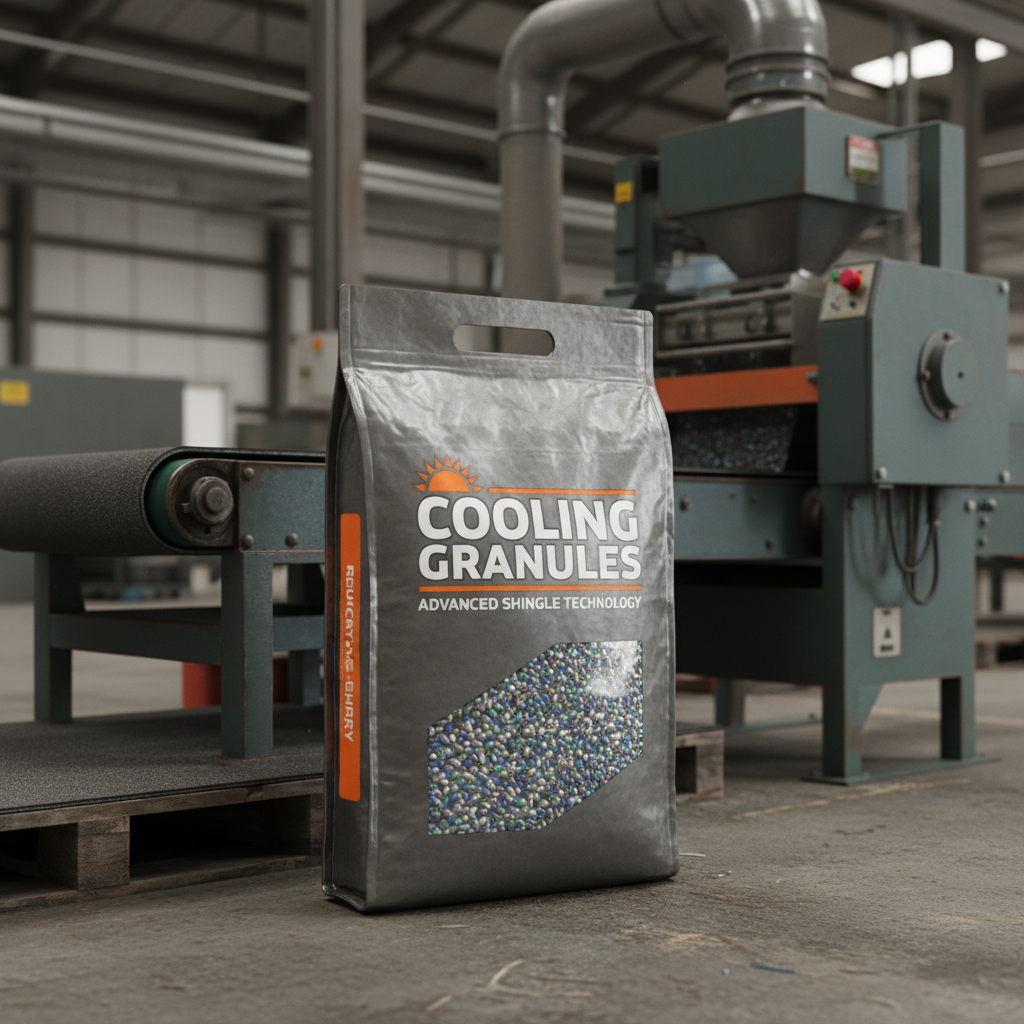
The future of roofing is moving toward "smart" and "cool" materials that actively reduce energy consumption. High reflective ceramic granules, such as the HIREFLE series, are being integrated into roofing systems to reflect solar radiation, thereby lowering indoor temperatures and reducing air conditioning costs.
Digital transformation in manufacturing is also allowing for more precise customization of stone coated tiles. This means that the cost of roofing shingles per square can be further optimized through reduced material waste during the production process, making high-end protection more accessible to the general public.
As green energy policies become more stringent worldwide, the industry is seeing a surge in the adoption of recyclable metal-based roofing. The shift toward materials that are both durable and eco-friendly ensures that the next generation of buildings will be more resilient and sustainable.
Comparison of Roofing Material Specifications and Longevity
| Material Type |
Durability Score (1-10) |
Installation Ease |
Lifespan (Years) |
| Standard Asphalt |
4 |
High |
15-20 |
| Clay Tile |
8 |
Low |
50+ |
| Stone Coated Metal |
10 |
High |
50+ |
| Concrete Tile |
7 |
Medium |
30-40 |
| Wood Shingles |
3 |
Medium |
10-20 |
| Al-Zn Plate Only |
8 |
High |
30-40 |
FAQS
While asphalt shingles generally have a lower initial cost per square, stone coated metal tiles offer a significantly lower lifetime cost. Because stone coated metal is fire, hail, and wind resistant, it eliminates the need for frequent replacements and costly repairs, providing better long-term value for the investment.
Yes, stone coated metal roof tiles are specifically designed for all sloping roof projects. They are versatile enough to be installed on various structure types, including wood, steel, and concrete, and are an excellent choice for both new constructions and the renovation of original buildings.
These tiles are environment-friendly because they use durable, recyclable materials like Al-Zn plates and inorganic pigments. Their extreme longevity means fewer materials are sent to landfills over the building's life, and their potential for high reflectivity helps reduce building energy consumption.
Stone coated metal tiles are highly earthquake resistant because they are lightweight. By reducing the overall weight of the roof compared to heavy clay or concrete tiles, they lower the center of gravity of the structure, which significantly reduces the risk of collapse during seismic activity.
No, because they use high-weathering natural stone particles and inorganic color pigments, these tiles are designed to resist UV degradation. This ensures that the decorative appearance remains deep and vibrant for decades, unlike traditional shingles that may bleach in the sun.
Actually, the installation is often more efficient. Because they are light and strong, they are easier to transport and install than clay tiles. This ease of installation can help offset the initial material cost, making the total project expenditure more competitive.
Conclusion
Evaluating the cost of roofing shingles per square is not merely a matter of comparing price tags, but of analyzing the intersection of durability, safety, and long-term financial sustainability. Stone coated metal roof tiles emerge as a superior solution, combining the aesthetic elegance of traditional masonry with the high-tech resilience of Al-Zn plating and waterproof acrylic resins to protect against fire, wind, and hail.
As the construction industry moves toward greener and more resilient infrastructure, investing in high-performance materials is the most strategic choice for any property owner. We recommend transitioning to stone coated solutions to ensure lifetime protection and increased property value. Visit our website: www.coolroofmaterials.com