Selecting the right roofing materials is a critical decision for any construction project, balancing aesthetic appeal with long-term structural integrity. While many homeowners and contractors initially look toward traditional options, the market has seen a significant shift toward high-performance alternatives that offer better durability and easier installation. This evolution is largely driven by the need for materials that can withstand extreme weather conditions while maintaining a classic look.
The global construction landscape is increasingly demanding materials that reduce labor costs and structural load without compromising on safety. In this context, understanding the capabilities of various suppliers and the materials they offer is essential. Whether it is for residential villas or large-scale industrial warehouses, the choice of a roofing system impacts the energy efficiency and lifespan of the entire building.
When comparing the offerings of flat concrete roof tile manufacturers with modern alternatives like Stone Coated Metal Roof Tiles, the priority often shifts toward versatility and weight. While concrete provides mass, stone-coated metal offers a lightweight yet incredibly durable solution that is waterproof, fireproof, and resistant to acid and alkali, making it a superior choice for diverse sloping roofs.
The Global Industry Context of Roofing Solutions
The roofing industry is currently undergoing a transformative phase, moving away from heavy, porous materials toward engineered solutions. Historically, the reliance on flat concrete roof tile manufacturers provided a sense of permanence, but the associated weight often required expensive reinforced structural support. As urban density increases and architectural designs become more complex, the industry is pivoting toward materials that offer the same aesthetic "stone" look but with a fraction of the weight.
Today, the integration of metal substrates with ceramic granules allows for a product that is not only waterproof and fireproof but also highly resistant to chemical erosion. This shift is critical in coastal regions where salt spray can degrade traditional concrete, or in industrial zones where acid rain is a prevalent concern. By adopting these advanced materials, developers can ensure longer lifespans for their properties while reducing the initial carbon footprint associated with heavy material transport.
Defining Modern Alternatives to Traditional Tiles
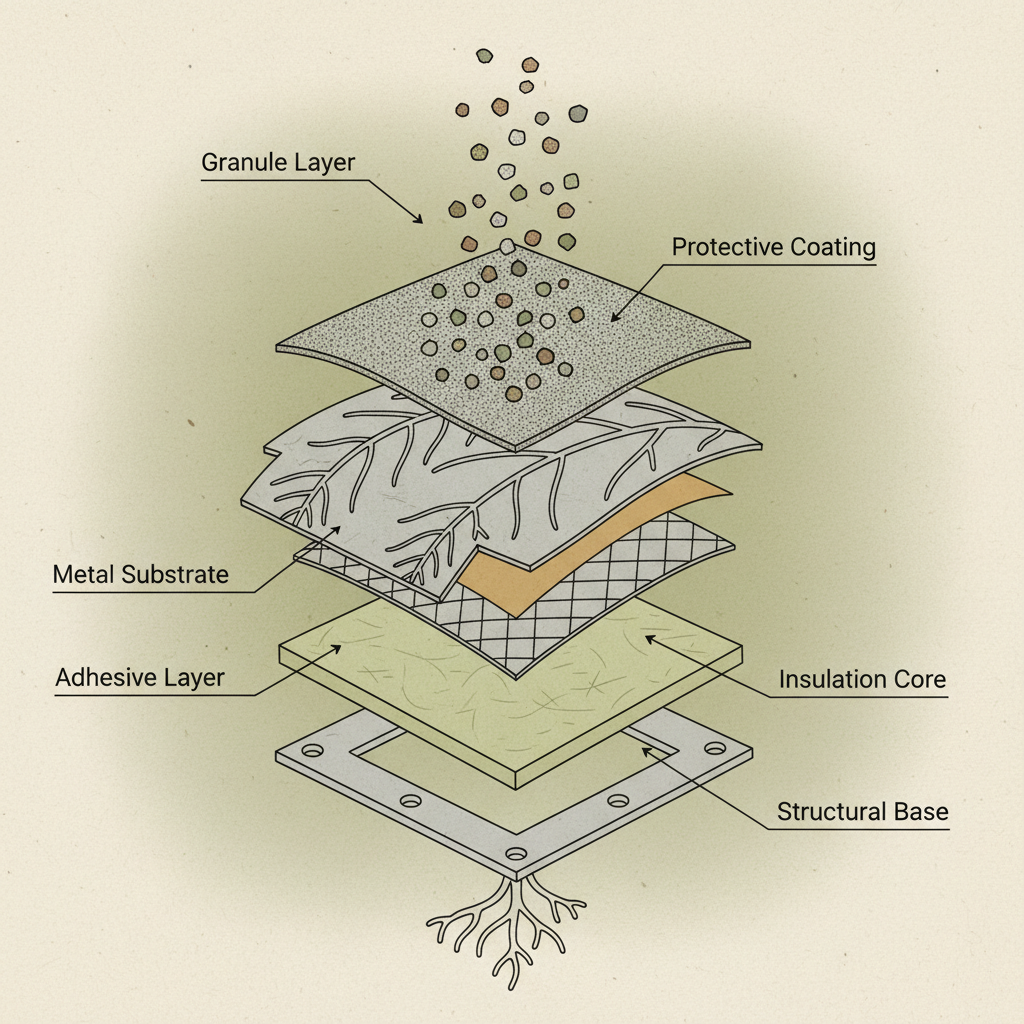
When we discuss the landscape of roofing, it is important to distinguish between traditional masonry and engineered metal solutions. While many are familiar with the heavy-duty output of flat concrete roof tile manufacturers, the modern market now emphasizes "Stone Coated Metal Roof Tiles." These are essentially high-grade steel sheets coated with a protective layer and topped with natural stone granules, blending the strength of steel with the beauty of traditional tiles.
Another significant innovation is the Asphalt Shingle, which provides a soft texture and extreme flexibility. These shingles are particularly useful for roofs with complex geometric shapes where rigid tiles would require extensive and wasteful cutting. They provide a reliable waterproof barrier and are widely used globally due to their cost-effectiveness and ease of installation.
Essentially, the goal of these modern alternatives is to solve the "weight vs. durability" paradox. By utilizing lightweight materials that resist fire, wind, and aging, the construction industry can build safer structures that are easier to maintain over decades, moving beyond the limitations inherent in traditional concrete casting.
Core Components of High-Performance Roofing
Durability is the foremost requirement for any roofing system. Unlike the products from some flat concrete roof tile manufacturers which may crack under extreme thermal expansion, Stone Coated Metal Roof Tiles are engineered for resilience. Their ability to resist acid and alkali makes them an ideal choice for harsh environmental conditions, ensuring the roof does not degrade prematurely.
Another key component is the installation efficiency. Asphalt shingles and stone-coated metal tiles are designed for rapid deployment. Because they are lightweight, they reduce the load-bearing pressure on the roof's supporting structure, which increases the overall stability of the building. This is a stark contrast to the heavy installation process typically associated with flat concrete roof tile manufacturers.
Finally, aesthetic versatility allows these modern materials to fit into any architectural style. From the rich colors of asphalt shingles to the high-reflective ceramic granules used in "HIREFLE" cool roofs, these materials provide thermal regulation. By reflecting sunlight, they reduce indoor temperatures, a feature rarely found in standard products from flat concrete roof tile manufacturers.
Comparative Efficiency and Cost Analysis
When analyzing the total cost of ownership, the initial purchase price of the material is only one factor. The "hidden costs" of traditional roofing include the need for reinforced trusses to support the immense weight of concrete. In contrast, stone-coated metal and asphalt options significantly lower the structural cost and reduce the labor hours required for installation.
Furthermore, the long-term maintenance costs are considerably lower. Because these materials are inherently waterproof and fireproof, the frequency of repairs is reduced. The resistance to aging and chemical erosion ensures that the roof maintains its integrity and color for decades, providing a higher return on investment compared to conventional masonry.
Performance Comparison: Modern Tiles vs Traditional Manufacturers
Real-World Applications Across Diverse Climates
In regions prone to heavy snowfall and seismic activity, the weight of the roof is a primary safety concern. Stone Coated Metal Roof Tiles are highly favored here because they provide the necessary waterproof protection without adding dangerous levels of mass to the structure. This makes them a safer alternative to the heavy slabs produced by flat concrete roof tile manufacturers.
In tropical and high-heat zones, the use of High Reflective Ceramic Granules (HIREFLE) is transformative. By reflecting a significant portion of solar radiation, these roofs prevent the "urban heat island" effect and drastically reduce air conditioning costs. Such functional intelligence is a significant leap forward from the basic thermal properties of traditional concrete roofing.
Long-Term Value and Sustainability Benefits
Sustainability in modern construction is measured by the longevity of the material and the energy required to produce and install it. Stone-coated metal tiles are often made from recyclable steel, making them a greener choice than the energy-intensive kiln-firing processes used by many traditional tile producers.
From a logical perspective, the resistance to wind and fire provides an emotional sense of security for the homeowner. Knowing that a roof can withstand a hurricane or a wildfire without collapsing or igniting adds immeasurable value to the property, far outweighing the initial cost considerations.
Moreover, the ease of transportation and storage of lightweight materials reduces the logistics-related carbon emissions. When compared to the massive shipping requirements of concrete tiles, the environmental impact of modern metal and asphalt solutions is significantly lower.
Future Innovations in Roofing Material Science
The future of roofing lies in the intersection of material science and digital automation. We are seeing a rise in "smart" coatings that can self-heal minor scratches or change color based on the season to optimize heat absorption. These innovations are leaving the traditional methods of flat concrete roof tile manufacturers behind in favor of dynamic, responsive surfaces.
Automation in cutting and installation is also reducing waste. With the ability to freely cut asphalt shingles and precisely fit metal tiles, the amount of material ending up in landfills is plummeting. The industry is moving toward a "zero-waste" installation model that maximizes every square inch of material.
As green energy policies tighten, the integration of solar-ready roofing systems is becoming standard. Modern lightweight tiles are being designed to integrate seamlessly with photovoltaic cells, turning the roof from a simple shelter into a power-generating asset for the home.
Comparative Analysis of Roofing Material Specifications
| Material Type |
Weight Load |
Installation Speed |
Durability Score (1-10) |
| Stone Coated Metal |
Low |
Very Fast |
9.5 |
| Asphalt Shingles |
Low |
Fast |
7.0 |
| HIREFLE Ceramic |
Low |
Moderate |
9.0 |
| Concrete Tile |
Very High |
Slow |
6.5 |
| Traditional Clay |
High |
Slow |
7.5 |
| Metal Sheet |
Very Low |
Fastest |
8.0 |
FAQS
Stone coated metal tiles offer a significantly lower weight, which reduces structural stress on your building. Unlike concrete, they are naturally fireproof, waterproof, and resistant to acid and alkali erosion. They provide the same aesthetic appeal as concrete but with much easier installation and longer-term durability against weathering.
Yes, asphalt shingles are ideal for complex geometric roofs. Because they are flexible and can be freely cut, they can be fitted into intricate valleys, hips, and gables without the immense waste or labor associated with rigid concrete or clay tiles.
HIREFLE refers to high-reflective ceramic granules designed to reflect solar radiation. By reducing the amount of heat absorbed by the roof, it lowers the internal temperature of the building, significantly reducing energy costs for cooling and extending the life of the roofing material.
Depending on the environment, stone coated metal tiles can last 50 years or more. Their multi-layered protection—including an aluminum-zinc alloy coating and stone granules—prevents rust and UV degradation, making them far more resilient than standard concrete options.
Absolutely. Cost-effectiveness comes from three areas: reduced need for heavy-duty roof trusses, lower labor costs due to faster installation times, and lower shipping costs because the materials are lighter and more compact than concrete tiles.
Yes, both stone coated metal tiles and high-quality asphalt shingles are designed for high wind resistance. Because they are fastened securely to the roof deck, they are much less likely to be displaced or cracked during a storm compared to individual concrete tiles.
Conclusion
The transition from traditional masonry to engineered roofing solutions marks a pivotal shift in construction efficiency and sustainability. By prioritizing materials that are lightweight, fireproof, and chemically resistant, property owners can move beyond the heavy limitations of traditional flat concrete roof tile manufacturers. Whether it is the versatility of asphalt shingles or the high-performance nature of Stone Coated Metal Roof Tiles and HIREFLE ceramic granules, the focus has clearly shifted toward long-term value, safety, and environmental responsibility.
As we look toward the future, the integration of smart materials and energy-generating surfaces will only further distance modern roofing from the static nature of the past. For those seeking a balance of timeless beauty and cutting-edge performance, investing in lightweight, high-reflectivity, and durable roofing systems is the most logical path forward. Visit our website to explore these advanced solutions: www.coolroofmaterials.com