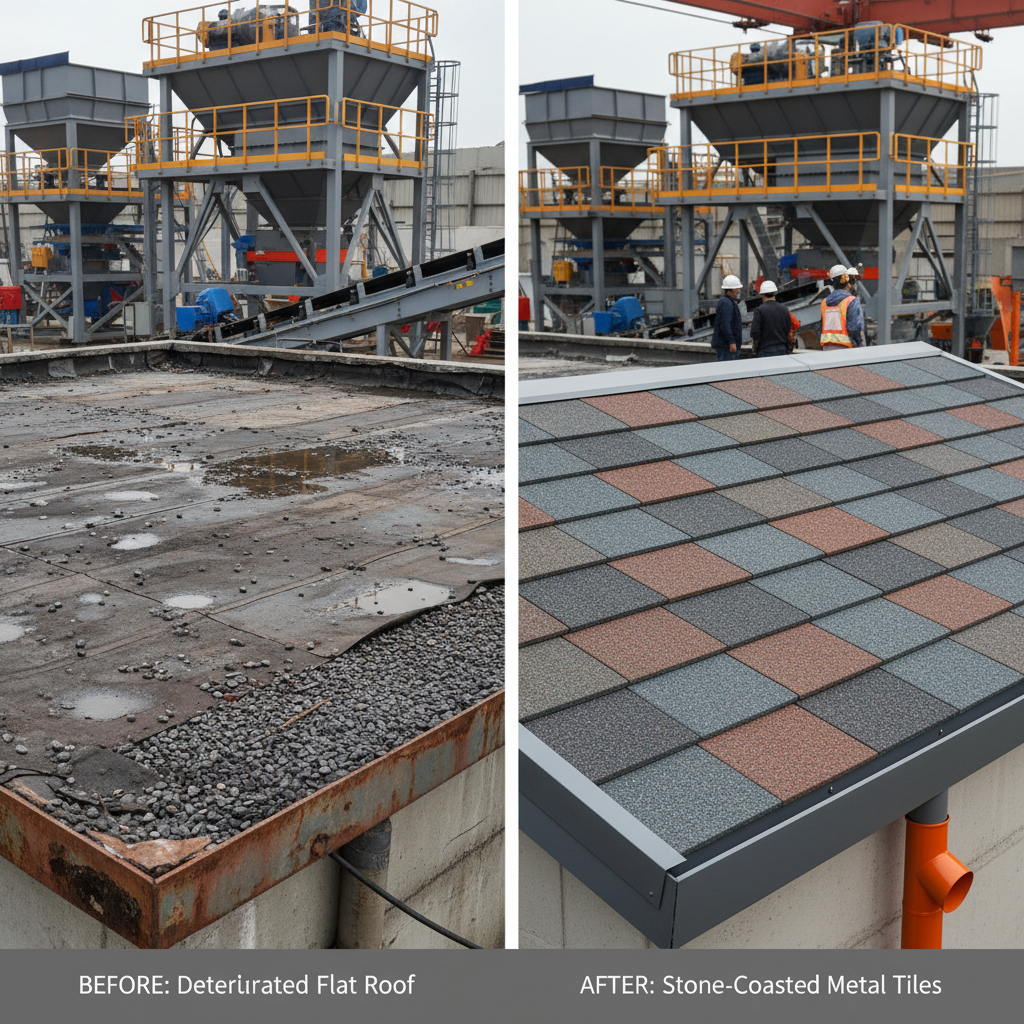
Selecting the right roofing material for outdoor structures is a critical decision that impacts the longevity and maintenance of any backyard project. While many homeowners traditionally look for felt roof tiles for sheds, the industry is shifting toward high-performance alternatives that offer superior protection against the elements. Understanding the balance between aesthetic appeal and structural durability is essential for ensuring a weather-tight seal.
Globally, the demand for durable outbuilding materials has surged as more people utilize sheds for high-value storage, home offices, or workshops. Traditional bitumen-based options often struggle with extreme temperature fluctuations and UV degradation, leading to frequent repairs and leaks. This has paved the way for advanced composite materials that combine the beauty of traditional tiles with the strength of modern metallurgy.
In this guide, we explore the evolution of shed roofing, moving from basic felt roof tiles for sheds to the innovative Stone Coated Metal Roof Tile. By analyzing the technical specifications of Al-Zn plating and acrylic resins, we can determine how to achieve a roof that is not only fire and storm-resistant but also cost-effective over its entire lifecycle.
The Evolution of Shed Roofing Materials
For decades, the standard for small outdoor buildings was the application of bitumen-saturated organic mats. These felt roof tiles for sheds provided a quick and inexpensive way to waterproof a structure. However, the inherent limitations of organic materials mean they are prone to cracking under intense sun and tearing during severe wind events, necessitating a search for more permanent solutions.
The transition toward Stone Coated Metal Roof Tiles represents a leap in engineering. By combining a high-corrosion-resistant Al-Zn plate with natural stone particles, manufacturers have created a product that mimics the classic look of clay tiles while providing the industrial-grade strength of metal. This evolution ensures that sheds are no longer just temporary storage units but durable extensions of the home.
Technical Composition of Modern Roof Tiles
The core of a high-performance roof tile lies in its multi-layered construction. Unlike simple felt roof tiles for sheds, the Stone Coated Metal Roof Tile utilizes a base of Al-Zn plated steel. This alloy provides a formidable barrier against oxidation and corrosion, ensuring that the structural integrity of the roof remains intact even in humid or coastal environments.
To bond the protective stone layer to the metal base, a high-quality waterproof acrylic resin is used as an adhesive. This resin acts as a secondary waterproof membrane, sealing the metal from moisture and ensuring that the granules remain attached despite high wind speeds. This chemical synergy prevents the peeling and degradation often seen in lower-end roofing materials.
The final aesthetic layer consists of natural stone particles or inorganic color pigments. These materials are selected for their high weathering resistance, meaning the deep, natural colors of the roof do not fade over time. This results in a product that possesses the decorative elegance of traditional clay but maintains the lightweight and durable properties of modern engineering.
Comparative Durability and Performance
When comparing the performance of various materials, the vulnerabilities of felt roof tiles for sheds become apparent. Felt is susceptible to punctures and biological growth such as moss and algae, which can eventually compromise the waterproofing. In contrast, stone coated metal is naturally resistant to these organic intrusions.
Performance in extreme weather is where the difference is most stark. While felt may tear during a storm, Stone Coated Metal Roof Tiles are specifically engineered to be hail resistant, storm resistant, and wind resistant. The rigid yet flexible nature of the Al-Zn plate allows the roof to withstand seismic shocks, making it earthquake resistant.
Fire safety is another critical metric. Traditional organic felts can be highly flammable or release toxic smoke when ignited. Stone coated metal options are fire resistant, providing a vital safety layer for sheds that may store flammable garden chemicals or power tools, thereby reducing the overall risk to the rest of the property.
Cost-Benefit Analysis of Roofing Options
From an initial investment perspective, felt roof tiles for sheds are often the cheapest option. However, a professional cost-benefit analysis must include the "lifecycle cost," which accounts for replacement intervals and maintenance labor. Felt roofs typically require complete replacement every 5 to 10 years, whereas stone coated metal can last for decades.
The "reduplicate execution" factor of metal tiles means that once installed, the need for ongoing repairs is virtually eliminated. When you factor in the cost of replacement materials and the labor for multiple installations over twenty years, the high-tech metal alternative becomes the more cost-effective choice for the discerning property owner.
Performance Ratings: Stone Coated Metal vs Traditional Felt
Global Applications and Structural Suitability
The versatility of stone coated metal roofing allows it to be applied across a wide range of structural types. Whether the shed is built with a wood frame, steel beams, or concrete slabs, the lightweight nature of the tiles ensures they do not add excessive stress to the supporting structure. This makes them a superior alternative to heavy clay tiles or flimsy felt roof tiles for sheds.
Globally, these materials are being adopted in diverse climates. In storm-prone regions of Southeast Asia and the Americas, the wind-resistant locking systems provide peace of mind. Meanwhile, in European markets, the aesthetic similarity to traditional architecture allows these modern tiles to blend seamlessly into heritage environments while providing contemporary protection.
Installation Efficiency and Execution
One of the most significant advantages of the Stone Coated Metal Roof Tile is the ease of installation. Unlike the tedious layering and nailing required for some felt roof tiles for sheds, metal tiles are designed for rapid deployment. Their lightweight profile reduces the physical strain on installers and minimizes the need for heavy lifting equipment.
Because they are suitable for all sloping roofs, the installation process is standardized regardless of the roof pitch. The precision of the Al-Zn plates ensures a tight fit, which reduces waste and speeds up the completion time of the project. This efficiency translates directly into lower labor costs for the homeowner.
Furthermore, these tiles are ideally suited for both new construction and renovation projects. They can be applied directly over original buildings, allowing owners to upgrade their shed's protection without the need for a full teardown of the existing roof structure, providing a seamless transition to high-performance roofing.
Future Trends in Eco-Friendly Roofing
The industry is moving toward "environment-friendly high-tech products," and stone coated metal roofing is at the forefront of this shift. By using sustainable Al-Zn alloys and inorganic pigments, the environmental footprint is reduced compared to the petroleum-based production of felt roof tiles for sheds.
Innovation is now focusing on "Cool Roof" technology. The integration of high-reflective ceramic granules helps reflect solar radiation, reducing the internal temperature of the shed. This not only protects the contents of the shed from heat damage but also reduces the energy required for cooling in converted shed offices.
As global building codes become more stringent regarding sustainability and fire safety, the adoption of these composite materials is expected to accelerate. The synergy of durability, recyclability, and thermal efficiency makes this the primary trend for international advanced roofing materials.
Comparative Analysis of Roofing Material Specifications
| Material Type |
Weather Resistance |
Installation Speed |
Lifespan Rating |
| Stone Coated Metal |
Excellent (Storm/Hail) |
Fast / Modular |
9-10/10 |
| Traditional Felt |
Low (UV/Wind) |
Moderate |
3-5/10 |
| Clay Tile |
High (Fire) |
Slow / Heavy |
8-9/10 |
| Asphalt Shingles |
Moderate |
Moderate |
6-7/10 |
| Al-Zn Sheet |
High (Corrosion) |
Very Fast |
7-8/10 |
| Ceramic Granule |
Excellent (Heat) |
Fast |
9/10 |
FAQS
Yes, significantly. While felt is a budget-friendly short-term fix, stone coated metal tiles offer superior fire resistance, storm protection, and a much longer lifespan. They eliminate the need for frequent replacements and provide a more professional, permanent aesthetic that adds value to the property.
Absolutely. Stone coated metal roof tiles are designed to be compatible with various structure types, including wood, steel, and concrete. Because they are lightweight, they can be installed on most existing wooden frames without requiring additional structural reinforcement.
The combination of a rigid Al-Zn steel base and a protective stone coating makes them highly resistant to hail impact and wind uplift. Unlike organic felts that can rip or shingles that can blow off, these tiles are engineered to lock together and withstand extreme weather conditions.
Yes. They are considered environment-friendly high-tech products because they use sustainable metals and inorganic pigments. Furthermore, their extreme durability means fewer materials end up in landfills over the decades compared to short-lived felt roofing.
Compared to traditional clay or complex felt layering, stone coated metal tiles are relatively easy to install. Their modular design and lightweight nature make them accessible for experienced DIYers, though professional installation is always recommended for guaranteed waterproofing.
No, the use of high-weathering natural stone particles and inorganic color pigments ensures that the roof maintains its deep, rich color for many years, resisting the UV degradation that typically causes traditional materials to bleach or fade.
Conclusion
Choosing the right roofing for a shed involves balancing immediate costs with long-term reliability. While felt roof tiles for sheds have served as a basic utility for years, the emergence of Stone Coated Metal Roof Tiles has redefined expectations. By integrating Al-Zn corrosion resistance, acrylic waterproof adhesives, and natural stone durability, these tiles offer an unparalleled combination of fire safety, storm resistance, and aesthetic beauty.
As we look toward a future of more sustainable and resilient architecture, upgrading to high-tech roofing is not just a home improvement—it is a strategic investment. Whether you are building a new workshop or renovating an old garden shed, opting for a material that resists the elements while remaining cost-effective will ensure your structure stands the test of time. For more information on high-performance roofing solutions, visit our website: www.coolroofmaterials.com.