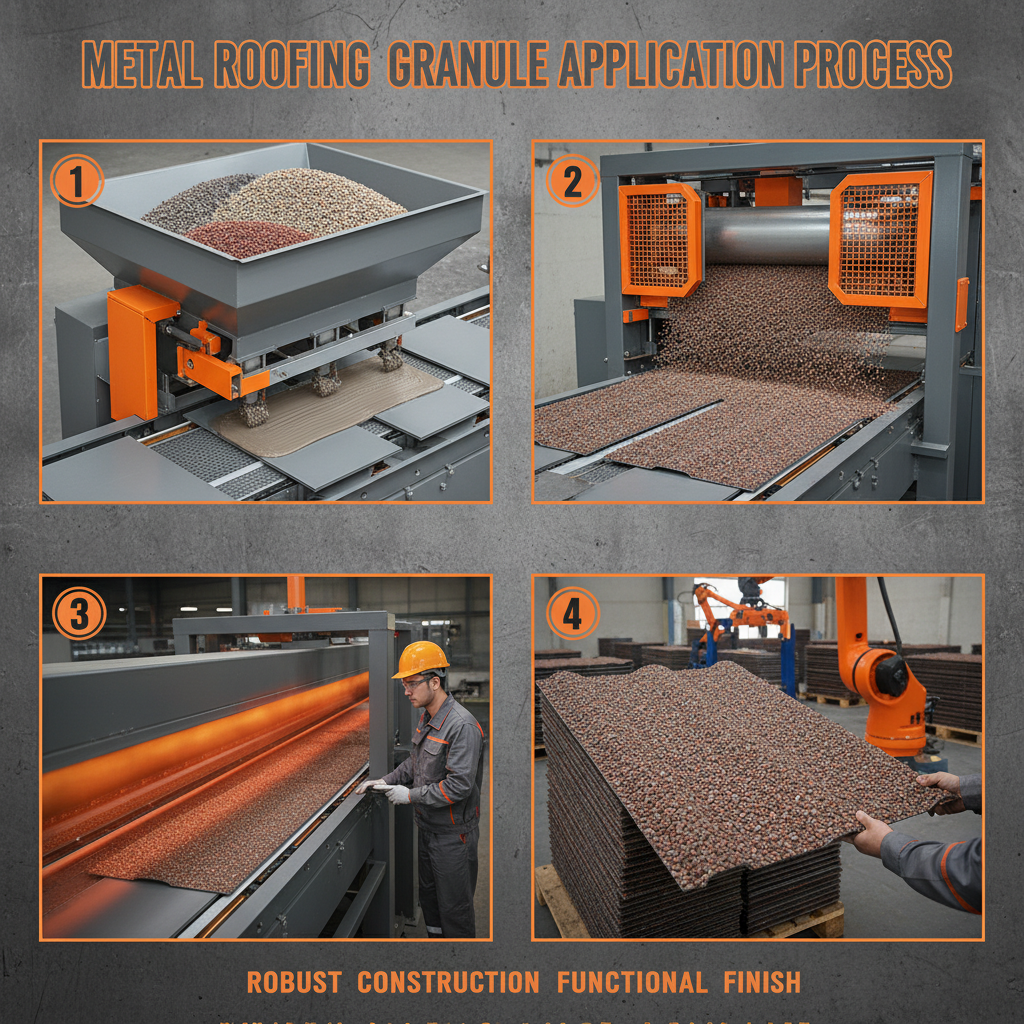
Choosing the right roofing material is a critical decision for any property owner, as it impacts long-term maintenance, energy efficiency, and structural integrity. In the modern construction landscape, the search for a balance between aesthetic appeal and extreme durability has led many to explore the concept of a metal and asphalt shingle combination roof, seeking to merge the traditional look of shingles with the strength of metal.
Across global markets, there is a growing demand for roofing systems that can withstand increasingly volatile weather patterns while maintaining a classic residential appearance. While traditional materials often force a compromise between cost and longevity, the evolution of stone-coated metal technology offers a sophisticated alternative that mirrors the visual charm of asphalt while providing superior technical specifications.
Understanding the nuances of a metal and asphalt shingle combination roof allows homeowners and contractors to optimize their investment. By integrating high-corrosion resistant Al-Zn plates with natural stone particles, the industry has created a product that delivers the decorative properties of clay and the resilience of modern engineering.
The Evolution of Metal and Asphalt Shingle Combination Roof Systems
The transition toward a metal and asphalt shingle combination roof approach reflects a broader industry shift toward hybrid materials. Traditionally, homeowners had to choose between the budget-friendly but short-lived asphalt shingle or the expensive, industrial-looking metal sheet. The emergence of stone-coated metal roofing has bridged this gap, providing the visual texture of traditional shingles with the structural core of high-grade steel.
This evolution is driven by the need for materials that are not only aesthetically pleasing but also functional in the face of climate change. By utilizing an Al-Zn plate base and acrylic resin adhesives, these systems provide a lightweight yet incredibly strong shield that outperforms traditional asphalt in almost every technical metric, from fire resistance to wind uplift.
Defining the Technical Composition of Modern Roofing
When discussing a metal and asphalt shingle combination roof, it is essential to understand that the modern solution is often a stone-coated metal tile. This high-tech product is based on a high-corrosion resistant Al-Zn plate, which provides the primary structural strength and waterproofing capabilities. Unlike plain metal, the surface is treated with high-quality waterproof acrylic resin to act as a powerful adhesive for the final decorative layer.
The "shingle" appearance is achieved through the application of natural stone particles or inorganic color pigments. These granules are carefully selected for their weathering resistance, ensuring that the roof retains its deep, natural color over decades of exposure to UV radiation. This combination allows the product to mimic the appearance of clay or asphalt tiles while maintaining the lightweight properties of metal.
Ultimately, this material represents a convergence of creative design and environmental engineering. It is suitable for all sloping roofs and can be installed over various structures, including wood, steel, and concrete, making it a versatile choice for both new constructions and original building renovations.
Core Components for Maximum Roof Performance
The effectiveness of a metal and asphalt shingle combination roof depends on several key technical factors. First and foremost is the Al-Zn alloy core, which prevents rust and corrosion even in humid or coastal environments. This ensures that the roof does not degrade from the inside out, a common failure point in lower-quality metal alternatives.
Durability is further enhanced by the stone coating, which provides a natural barrier against hail and storm impacts. In a typical metal and asphalt shingle combination roof setup, the stone particles absorb the energy of falling debris, preventing the metal substrate from denting and the waterproof seal from breaking.
Finally, the system's versatility is a core component of its value. Because it is designed for various roof slopes and structures, it minimizes the need for extensive roof deck modifications. This ease of installation reduces labor costs and time, making the transition to a more durable roofing system more accessible for the average homeowner.
Comparative Analysis of Durability and Cost Efficiency
Comparing a metal and asphalt shingle combination roof to traditional materials reveals a significant advantage in life-cycle cost. While the initial investment may be higher than basic asphalt shingles, the reduction in replacement frequency and maintenance requirements leads to substantial long-term savings.
The resistance profiles of these materials are vastly different. Stone-coated metal is specifically engineered to be fire-resistant, hail-resistant, and earthquake-resistant, providing a level of security that traditional asphalt simply cannot match. This reliability reduces insurance premiums and provides peace of mind during extreme weather events.
Performance Ratings for Metal and Asphalt Shingle Combination Roof Options
Global Applications and Real-World Use Cases
The adoption of the metal and asphalt shingle combination roof concept is seen worldwide, particularly in regions prone to extreme weather. In storm-heavy corridors of North America and Europe, the wind-resistant and hail-resistant properties of stone-coated metal have made it a preferred choice for residential developments seeking to lower long-term repair costs.
Furthermore, in seismic-prone zones, the lightweight nature of these tiles is a critical safety advantage. By reducing the dead load on the roof structure compared to traditional clay or concrete tiles, a metal and asphalt shingle combination roof significantly lowers the risk of structural collapse during an earthquake, protecting both the property and its inhabitants.
Long-Term Value and Sustainability Impact
Sustainability is no longer an option but a requirement in modern construction. A metal and asphalt shingle combination roof offers a superior ecological footprint compared to traditional asphalt. Asphalt shingles are petroleum-based and often end up in landfills after 15-20 years, whereas metal is inherently more durable and recyclable.
Beyond waste reduction, the energy efficiency of these systems is noteworthy. When paired with high-reflective granules, these roofs help reduce heat absorption, lowering cooling costs during summer months. This logical approach to thermal management provides both economic relief and a reduction in carbon emissions.
The emotional value of such an investment lies in the trust and security it provides. Knowing that your home is protected by a fire-resistant and storm-resistant shield creates a sense of dignity and safety for the family, ensuring that the home remains a sanctuary regardless of external environmental pressures.
Future Trends in Advanced Roofing Materials
The future of the metal and asphalt shingle combination roof is moving toward "smart" integration. We are seeing the development of cool-roof technologies, such as High Reflective Ceramic Granules (HIREFLE), which further enhance the ability of metal roofs to reflect solar radiation and mitigate the urban heat island effect.
Digital transformation is also impacting the industry, with BIM (Building Information Modeling) allowing architects to simulate the exact performance of stone-coated metal roofs under specific local weather conditions before a single tile is laid. This ensures that the roof is perfectly tailored to its environment for maximum longevity.
As global policies shift toward green energy, the integration of thin-film photovoltaics into stone-coated metal systems is becoming a reality. This will transform the roof from a passive protective layer into an active energy-generating asset, further increasing the value of the property.
Technical Comparison of Advanced Roofing Solutions
| Material Type |
Lifespan (Years) |
Weather Resistance |
Eco-Friendly Score |
| Stone Coated Metal |
50+ |
Extreme (Wind/Hail) |
9/10 |
| Traditional Asphalt |
15-25 |
Moderate |
4/10 |
| Clay Tile |
40-60 |
High (but brittle) |
7/10 |
| Standard Al-Zn Plate |
30-40 |
High |
8/10 |
| Concrete Tile |
30-50 |
High (Heavy) |
6/10 |
| Hybrid Composite |
25-35 |
Moderate/High |
5/10 |
FAQS
Stone-coated metal combines the aesthetic of asphalt shingles with the strength of metal. It is significantly more durable, offering fire, hail, and wind resistance that asphalt cannot provide. Additionally, it has a much longer lifespan, often lasting over 50 years, whereas asphalt typically requires replacement every 20 years.
Yes, stone-coated metal roof tiles are highly versatile and can be applied to original buildings. They are suitable for various structure types including wood, steel, and concrete. Because they are lightweight, they often do not require the complete removal of the old substrate, provided the structure is sound.
Unlike traditional bare metal sheets, the stone coating on these tiles acts as a natural sound dampener. The layer of natural stone particles and the acrylic resin adhesive absorb the impact of raindrops, making the acoustic experience very similar to that of traditional clay or asphalt shingles.
The Al-Zn plate provides exceptional corrosion resistance, making it ideal for salty coastal air. For extreme heat, the use of inorganic color pigments and high-reflective granules helps reflect solar energy, preventing the roof from overheating and reducing interior cooling costs.
While the upfront material cost is higher than basic asphalt, the "cost-effective" nature of stone-coated metal comes from its longevity. You avoid the cost of multiple roof replacements over 50 years, and the ease of installation often keeps labor costs competitive.
Maintenance is minimal. Unlike asphalt, which can lose granules or curl, or clay, which can crack, stone-coated metal is designed to be maintenance-free. Occasional cleaning to remove debris from valleys is generally the only requirement to ensure proper drainage.
Conclusion
The transition toward a metal and asphalt shingle combination roof through stone-coated metal technology represents the pinnacle of modern roofing. By fusing the structural integrity of Al-Zn plates with the natural beauty of stone granules, this system solves the age-old conflict between aesthetics and durability. From its superior resistance to fire, wind, and hail to its sustainable, long-term life cycle, it provides a comprehensive solution for homeowners seeking security and style.
As we look toward a future of greener cities and more resilient infrastructure, investing in high-performance roofing is no longer just about protection—it is about enhancing property value and reducing environmental impact. We recommend exploring advanced materials like stone-coated metal to ensure your home is ready for the challenges of tomorrow. Visit our website: www.coolroofmaterials.com