
Nov . 27, 2025 12:10 Back to list
Asphalt Shingles That Look Like Clay Tile: Durable, Stylish Roofing Solutions
The Rise of Asphalt Shingles That Look Like Clay Tile: Marrying Tradition with Modern Roofing
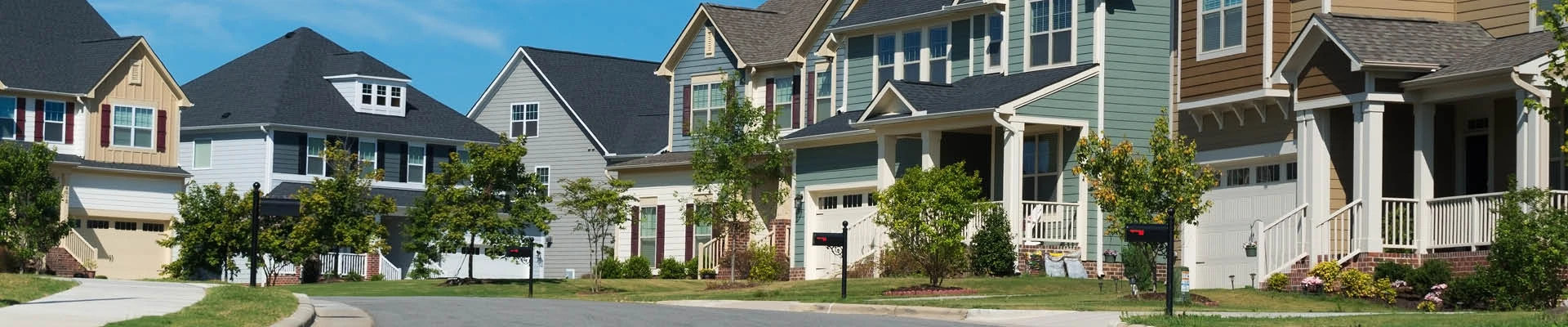
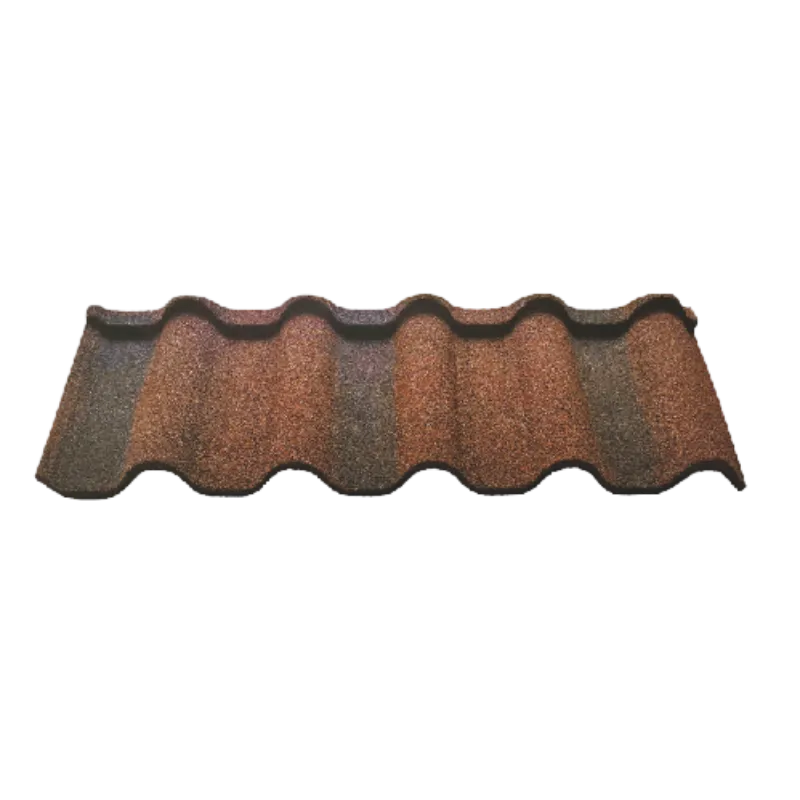
When it comes to roofing, aesthetics and performance usually battle it out. Clay tiles offer that timeless Mediterranean flair, a warm, earthy vibe that countless homeowners cherish — but they're heavy, fragile, and costly. Asphalt shingles, on the other hand, boast affordability, durability, and ease of installation, yet they often lean toward plainness. Enter asphalt shingles that look like clay tile, a clever innovation blending the beauty of traditional clay roofing with the pragmatic benefits of asphalt.
Globally, as urbanization surges and building codes evolve, finding roofing materials that combine style, durability, and cost-effectiveness matters. In regions prone to hurricanes or earthquakes, lightweight yet robust roofing can make all the difference in saving homes — and lives. Plus, environmental concerns push materials that reduce waste and promote sustainability.
Understanding this hybrid roofing solution is important for architects, builders, and homeowners alike, especially as the construction industry embraces greener and more versatile materials.
Mini Takeaway:
Asphalt shingles mimicking clay tiles give you the best of both worlds — the classic Mediterranean look without the heft or fuss, tailored for a changing global construction landscape.
Why Asphalt Shingles That Look Like Clay Tile Matter Globally
Worldwide, roofing materials impact not just shelter but economy and climate resilience. According to the International Organization for Standardization (ISO) and World Bank data, regions with rapidly developing housing markets need cost-effective, durable roofing that can withstand more frequent extreme weather events.
Clay tiles, predominantly in Mediterranean, Latin American, and parts of Asia's architecture, symbolize cultural identity but come with logistical headaches — they weigh heavily on roof structures and require expert installation. Asphalt shingles patterned like clay tiles aim to preserve these aesthetics while addressing lightweight design and easier installation. This finesse opens opportunities for mass housing projects, disaster relief shelters, and sustainable construction initiatives globally.
Mini Takeaway:
These shingles answer a tricky challenge: how to keep cultural roofing traditions alive while meeting modern engineering needs and environmental constraints worldwide.
Defining Asphalt Shingles That Look Like Clay Tile
In simple terms, asphalt shingles that look like clay tile are roofing shingles manufactured from asphalt-based materials but embossed and colored to replicate the iconic curved shape and warm hues of clay tiles. Their design is influenced by traditional clay patterns — barrel, Spanish, and mission styles — with surface textures and pigments to mimic the clay's weathered charm.
Unlike authentic clay, these shingles are lightweight, flexible, and come in rolls or flat-cut pieces, making them much easier and faster to install. They also integrate modern waterproofing and UV-resistant coatings, benefiting from years of asphalt roofing research. As a result, this product is bridging artisanship with industrial innovation, and even humanitarian needs like quick-deploy shelters in crisis zones.
Mini Takeaway:
They’re essentially a smart, economical take on traditional clay tile roofing — combining old-world looks with new-world engineering.
Key Features of Asphalt Shingles That Look Like Clay Tile
1. Durability and Weather Resistance
Unlike fragile clay tiles, asphalt replicas are engineered to withstand high winds, hail, and temperature swings. Many products meet ASTM standards for impact resistance and can last 20-30 years under typical weather conditions.
2. Lightweight Construction
Where clay tiles weigh between 600-1500 pounds per square (100 sq. ft.), asphalt shingles hover around 250-300 pounds per square. This reduces strain on roofing frameworks and allows installation on a wider variety of buildings.
3. Cost Efficiency
Asphalt shingles cost roughly 40-60% less than genuine clay tiles, factoring in materials and installation. Homeowners and developers find this especially attractive in budget-sensitive projects.
4. Aesthetic Versatility
Available in a palette of reds, browns, and terra-cotta hues, and several curved profiles, these shingles suit Mediterranean, Spanish Colonial, and Southwestern architectures seamlessly.
5. Easy Maintenance
The coatings repel algae and moss growth, plus damaged shingles are simple to replace individually without major roof demolition.
6. Sustainability
Many manufacturers now incorporate recycled asphalt and offer energy-efficient options that reduce rooftop heat gain, aligning with global green building trends.
Mini Takeaway:
Durability, lightweight feel, cost savings, and visual fidelity to clay tiles make these shingles a comprehensive roofing choice.
Typical Product Specifications: Asphalt Shingles That Look Like Clay Tile
| Feature | Specification |
|---|---|
| Material Composition | Fiberglass mat, asphalt, ceramic granules, polymer coating |
| Weight per Square | Approximately 275 lbs (125 kg) |
| Fire Rating | Class A (highest resistance) |
| Warranty | 20-30 years, typically prorated |
| Installation Type | Nail on, adhesive strip for wind uplift resistance |
| Color Range | Terra cotta, brick red, burnt sienna, brown hues |
Comparing Leading Vendors of Asphalt Shingles That Look Like Clay Tile
| Vendor | Warranty | Price Range (per square ft.) | Unique Feature | Sustainability |
|---|---|---|---|---|
| TileTech Roofing | 25 years | $2.50 – $3.20 | UV-resistant ceramic granules | Recycled fiberglass |
| ClayLite Shingles | 20 years | $2.75 – $3.50 | Enhanced wind uplift adhesive | Low VOC asphalt technology |
| EcoTile Roofing Solutions | 30 years | $3.00 – $3.80 | Solar reflective coatings | 75% recycled materials |
Global Applications and Real-World Use Cases
One of the more remarkable uses of these shingles — aside from beautifying suburban neighborhoods — is in post-disaster reconstruction. In hurricane-prone zones like the Caribbean or typhoon-hit parts of Southeast Asia, lightweight and fast-to-install roofing materials can drastically reduce rebuilding times.
Remote industrial zones, where transporting heavy clay tiles proves impractical, also benefit from these asphalt alternatives. Large-scale housing developments in Mediterranean-style resorts or golf communities across the U.S. Southwest often specify these shingles to retain architectural integrity without ballooning budgets.
NGOs, too, have started incorporating this roofing style in temporary shelters where cultural familiarity matters but quick deployment is essential.
Mini Takeaway:
From rebuilding after natural disasters to refining resort aesthetics, these shingles prove that tradition and innovation can coexist efficiently across continents.
Long-Term Advantages of Choosing Asphalt Shingles That Look Like Clay Tile
It’s not just superficial charm. The long-term value shows up in multiple layers:
- Economic savings: Material and labor cost reductions translate to accessible housing options.
- Environmental impact: Lower shipping weight means less carbon footprint; plus, many products now use recycled components.
- Durability: Resistance to cracking and warping keeps homes dry and secure.
- Emotional benefits: Homeowners cherish roofing that honors traditional aesthetics yet signals commitment to modern safety and sustainability.
Mini Takeaway:
The appeal extends far beyond looks – it’s about smart investment in quality, environment, and community pride.
Looking Ahead: Future Innovations in Asphalt Clay Tile Shingles
Technological strides focus on integrating solar compatibility—imagine shingles that look like clay tile AND generate electricity. Some manufacturers are experimenting with embedded thin-film photovoltaic layers. Others aim for even lighter compositions using bio-based binders to reduce reliance on petroleum.
Digital tools, such as AI-driven roof mapping and custom manufacturing, are also making bespoke clay tile shingle patterns more accessible and affordable.
Overall, the direction is toward greener, smarter, and more personalized roofing experiences.
Mini Takeaway:
The future of these shingles is a blend of energy efficiency, customization, and sustainability — quite exciting for a roofing product!
Challenges and Ways to Overcome Them
A major challenge is convincing traditionalists that these shingles match clay’s longevity and prestige. Some homeowners or architects view them as a “cheap” imitation. There’s also the question of recycling asphalt at end-of-life, which remains tricky compared to clay.
Experts recommend:
- Educating consumers on the advances in material science and warranty assurances.
- Advocating legislation for improved recycling infrastructure targeting asphalt roofing materials.
- Engaging designers early to leverage these shingles creatively without compromising architectural authenticity.
Mini Takeaway:
Like any new material, it takes time, education, and infrastructure to fully realize the potential of asphalt clay tile shingles.
FAQ: Your Top Questions About Asphalt Shingles That Look Like Clay Tile
Q1: How durable are asphalt shingles compared to traditional clay tile?
A1: Asphalt shingles designed to look like clay tile generally last 20-30 years, whereas clay tiles can exceed 50 years. However, asphalt products resist cracking and impact better due to their flexibility, making them more practical in certain climates.
Q2: Are these shingles suitable for high-wind or hurricane zones?
A2: Absolutely. Many are tested to ASTM D3161 and UL 2390 standards for wind resistance, with wind warranties up to 130 mph. Their lightweight aspect also reduces the risk of structural failure in storms.
Q3: Do asphalt shingles that look like clay tile require special installation techniques?
A3: Installation is similar to standard asphalt shingles but may require careful alignment to mimic clay tile patterns correctly. Adhesive strips and proper nailing are essential for wind uplift protection.
Q4: Can these shingles be recycled?
A4: Recycling options are limited but growing. Some municipalities and manufacturers offer asphalt shingle recycling programs. It’s best to check locally and consider options at project planning stages.
Q5: How do these shingles impact home energy efficiency?
A5: Reflective coatings and lighter colors reduce heat absorption, lowering cooling costs. Some newer models even integrate solar technologies for added energy benefits.
Wrapping Up: Blending Beauty, Function, and Sustainability
The rise of asphalt shingles that look like clay tile symbolizes a pivotal moment in roofing innovation — one where tradition meets tomorrow’s performance needs. They provide a smart, stylish, and sustainable option, making Mediterranean elegance accessible to many more homeowners and builders worldwide. Whether you’re reconstructing after a hurricane, designing a resort, or simply dreaming of that classic tile look without the hassle, these shingles are worth taking seriously.
Curious to explore more? Visit our website: Cool Roof Materials for detailed product guides, vendor contacts, and expert advice.
Final Thought:
Sometimes, innovation isn’t just inventing something entirely new; it’s finding clever ways to honor tradition while solving today’s problems. These shingles do that beautifully.
References:
Latest news
-
Expert Clay Roof Replacement Contractor Services: Durable, Sustainable & Authentic Roofing Solutions
NewsDec.02,2025
-
Comprehensive Guide to Clay Roof Replacement: Benefits, Trends & Best Practices
NewsDec.02,2025
-
Clay Roll Top Ridge Tiles: Durable, Sustainable Roofing for Every Climate
NewsDec.02,2025
-
Clay Ridge Tiles for Slate Roofs: Durable, Sustainable, and Elegant Roofing Solutions
NewsDec.02,2025
-
Comprehensive Guide to Clay Ridge Roof Tiles: Benefits, Applications & Future Trends
NewsDec.02,2025
-
Clay Red Roof Tiles – Durable, Sustainable & Timeless Roofing Solutions
NewsDec.02,2025
Copyright © 2026 Hebei Chida Manufacture and Trade Co., Ltd. All Rights Reserved. Sitemap | Privacy Policy | Top Blog | Global Service